
- Knowledge Base
- Blog
- UK rooftop solar installations reach record high - is your roof ready for the solar revolution?
UK rooftop solar installations reach record high - is your roof ready for the solar revolution?
The UK rooftop solar market has officially entered record-breaking territory.
According to MCS data, 2025 has become the best-ever year for rooftop solar installations, with 254,052 solar PV systems installed across the country. This surpasses the previous record of 203,125 installations set in 2011 during the Feed-in Tariff scheme.
The UK now has 1.9 million certified solar panel installations - and the momentum is only building. With the Government’s Solar Roadmap targeting an increase in national solar capacity from 20GW to 45-47GW by 2030, the country is firmly in the midst of what many are calling a rooftop revolution.
But as solar accelerates, one critical question must be addressed: Is your roof safe for installation and long-term maintenance?
The growth of rooftop solar in 2025
The latest figures show strong demand across multiple sectors:
70% of installations are on privately owned homes
15% are in social housing
13% are in the private rented sector
35% of installations are now on new build properties
June 2025 saw a record 9,507 certified solar installations on new builds in a single month
Solar is no longer a niche investment. It is becoming a standard feature on both residential and commercial rooftops.
However, every installation increases roof access requirements for:
Initial installation works
Electrical testing and commissioning
Cleaning and panel optimisation
Inspection and fault diagnosis
Inverter replacement and system upgrades
Ongoing asset management
More solar means more roof traffic - not just once, but for the lifespan of the building.
The hidden risk behind solar expansion
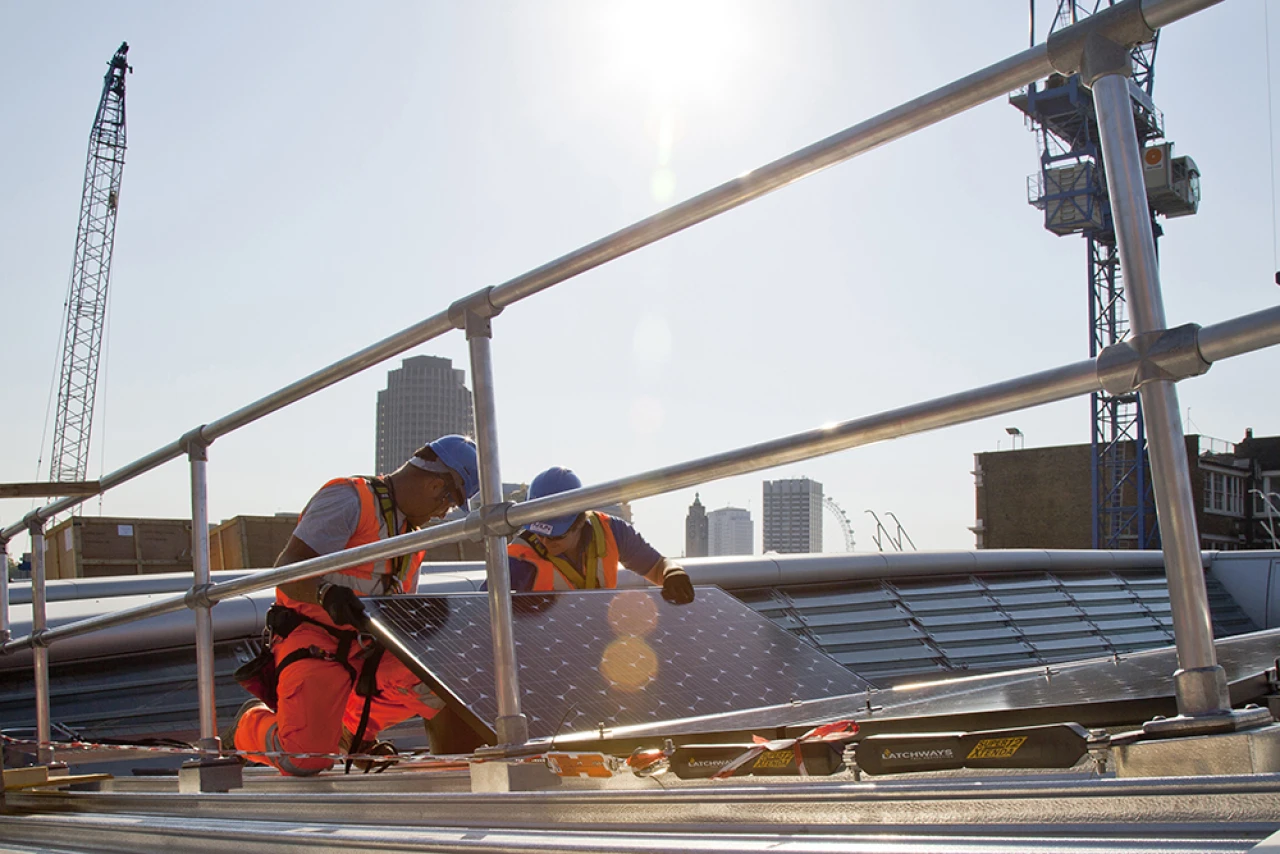
While solar delivers environmental and financial benefits, it also introduces additional working at height risks.
Falls from height remain one of the leading causes of serious injury and fatalities in the UK construction and maintenance sectors. When solar systems are retrofitted onto existing buildings, many roofs were never originally designed with safe access or collective fall protection in mind.
Common risks include:
Unprotected roof edges
Fragile roof lights
Inadequate access routes
No designated walkways
Improvised anchor systems
Lack of inspection and recertification
Without properly designed safety infrastructure, building owners and duty holders may be exposed to significant risk and liability.
Solar installation should never be considered in isolation from roof safety strategy.
Designing safety into solar projects
To support the UK’s solar growth safely and sustainably, fall protection and access systems must be integrated from the outset.
At Eurosafe, we work with developers, principal contractors, housing providers, FM companies and solar installers to design compliant, practical safety solutions tailored to each roof.
Typical solar-related safety infrastructure includes:
Edge Protection and Guardrails
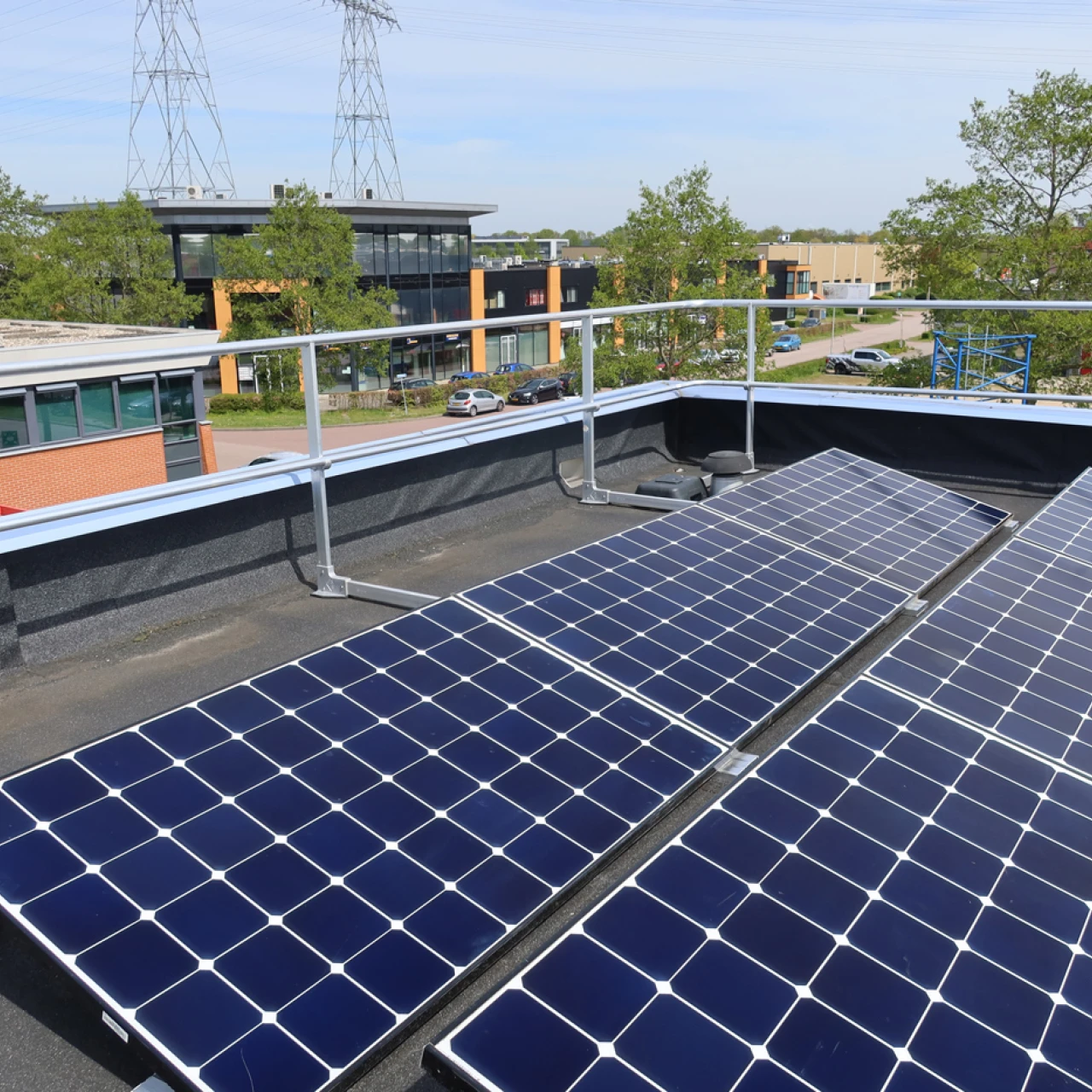
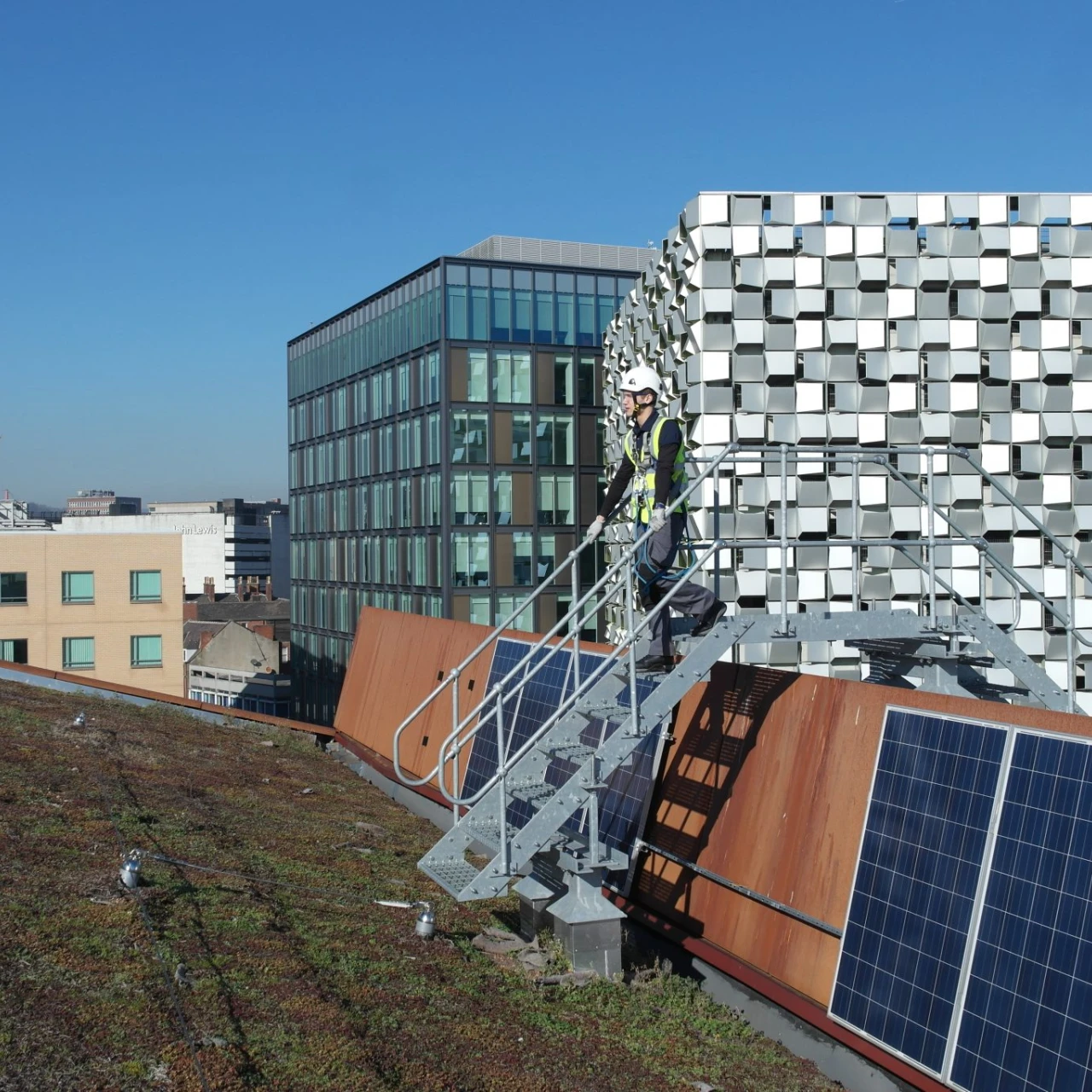
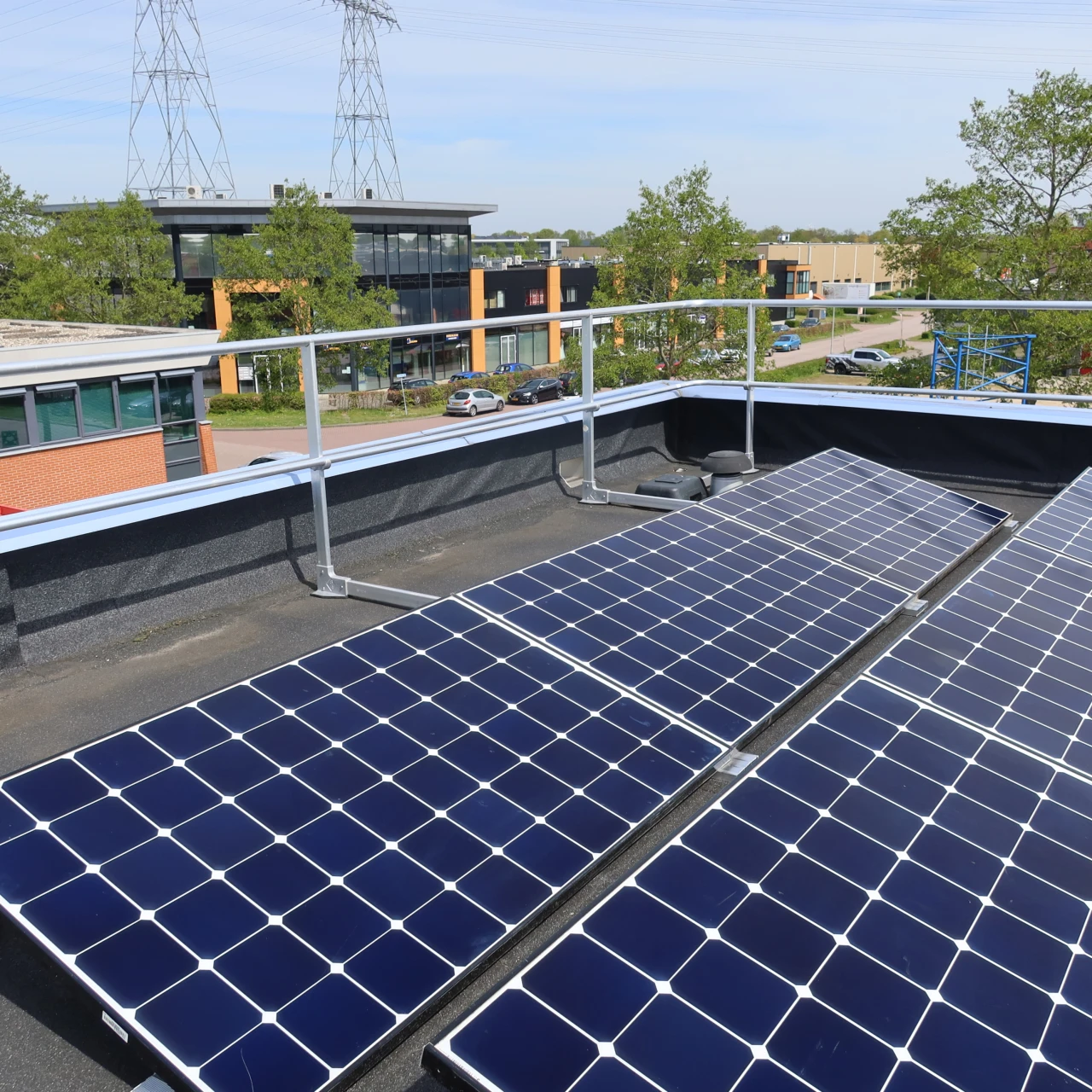
Collective protection remains the preferred control measure under the Work at Height Regulations. Permanent guardrails provide long-term protection for both installation teams and maintenance personnel.
Walkways and Defined Access Routes
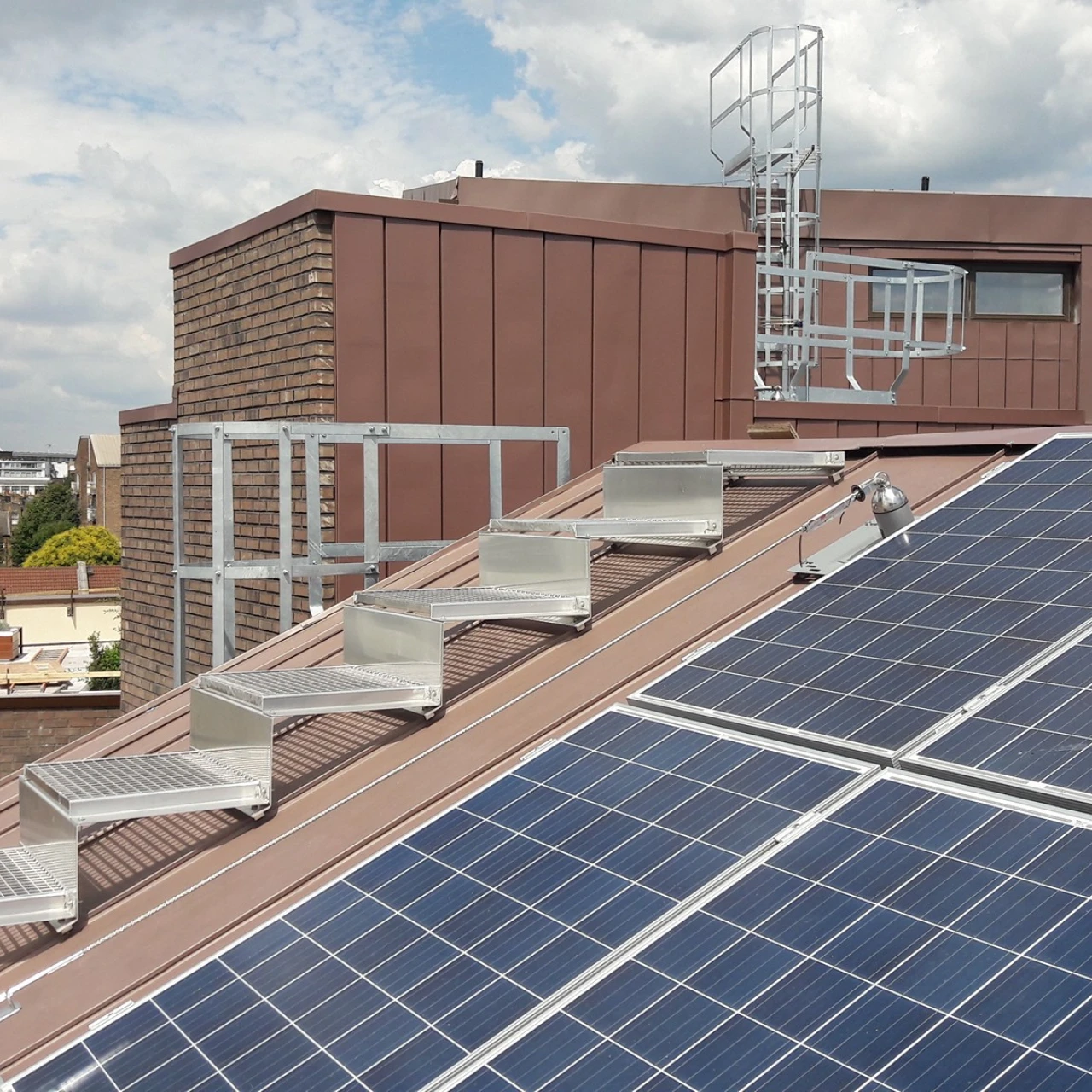
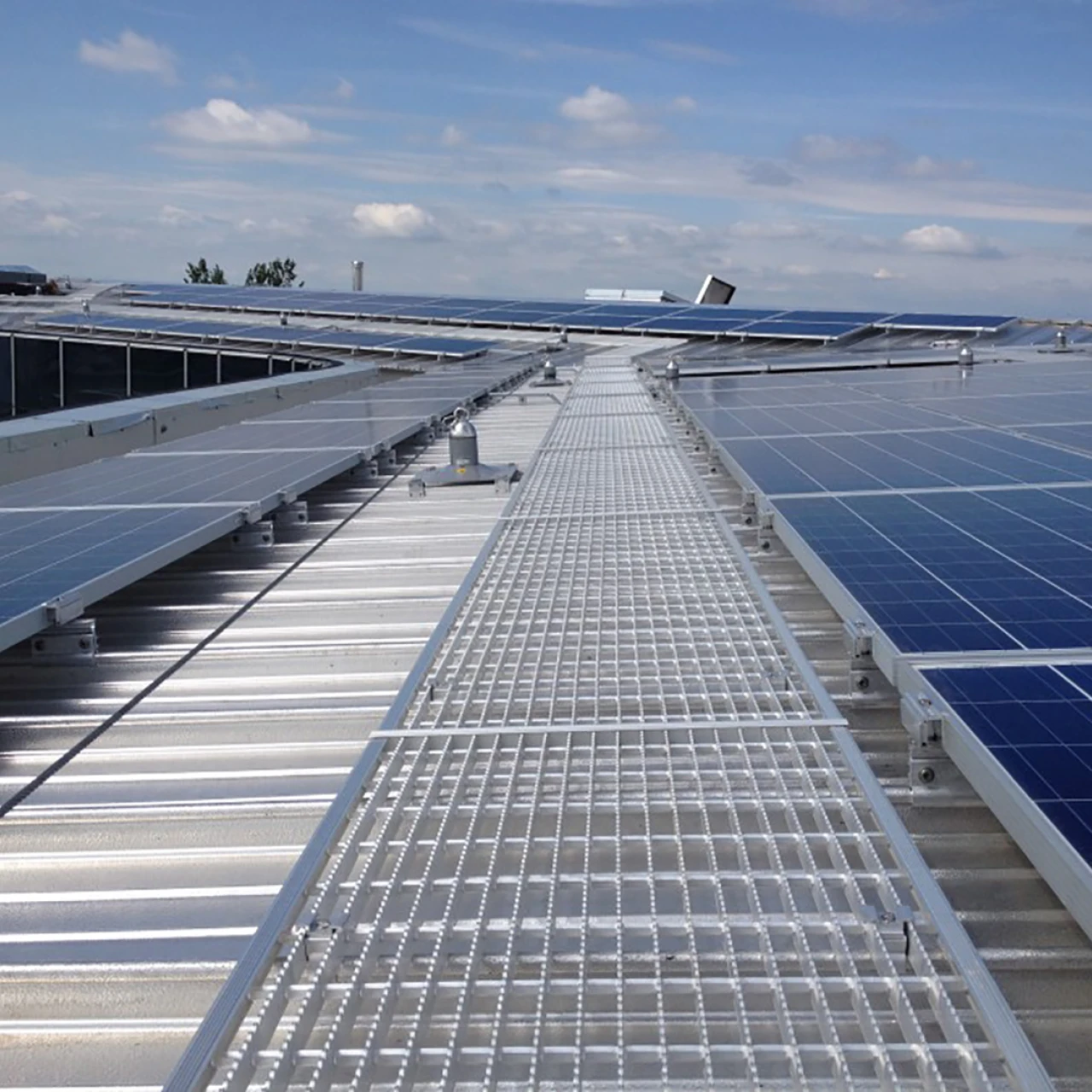
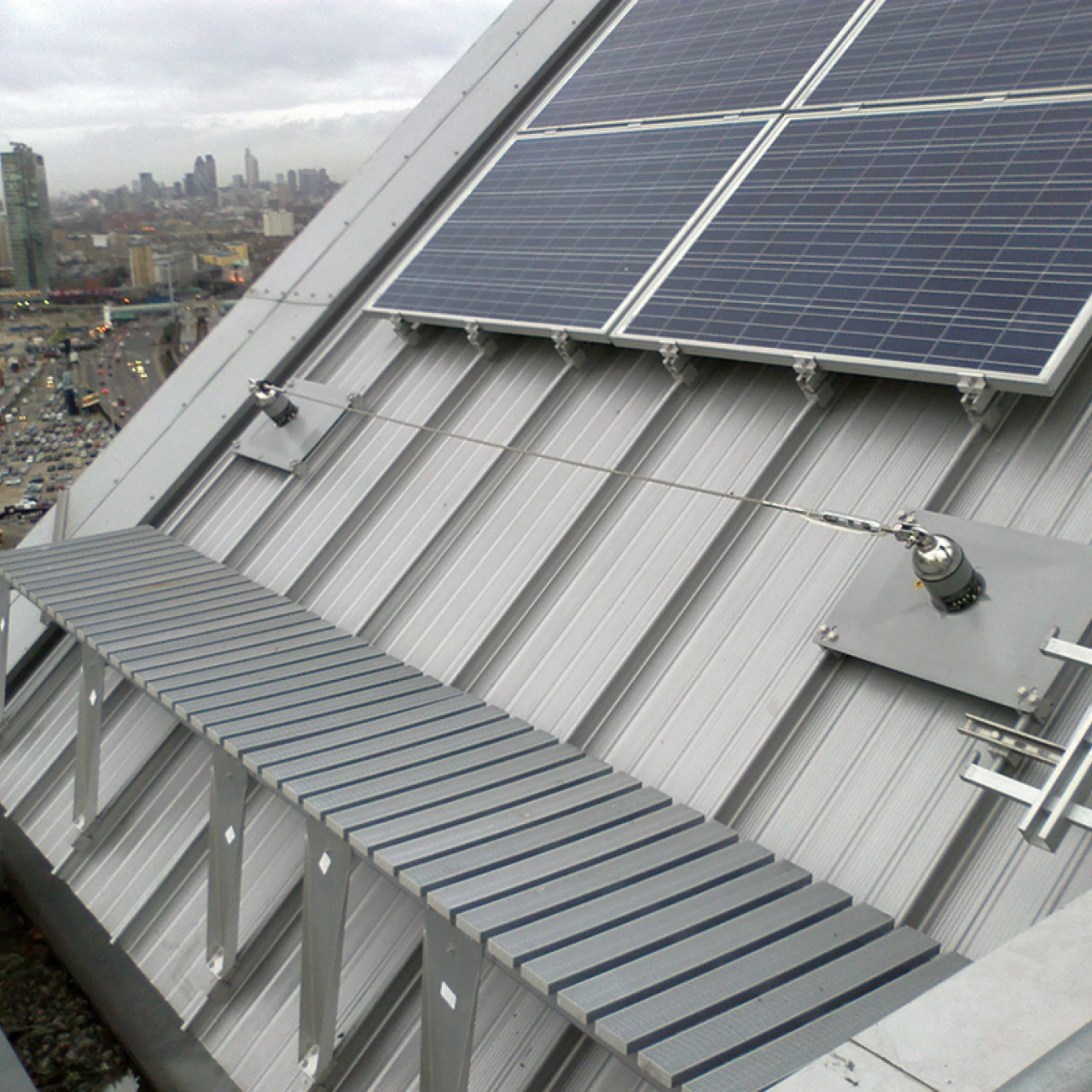
Anti-slip walkways protect roof surfaces and guide operatives safely to and around solar arrays. They also reduce trip hazards caused by cabling and mounting systems.
Mansafe Systems and Anchor Points
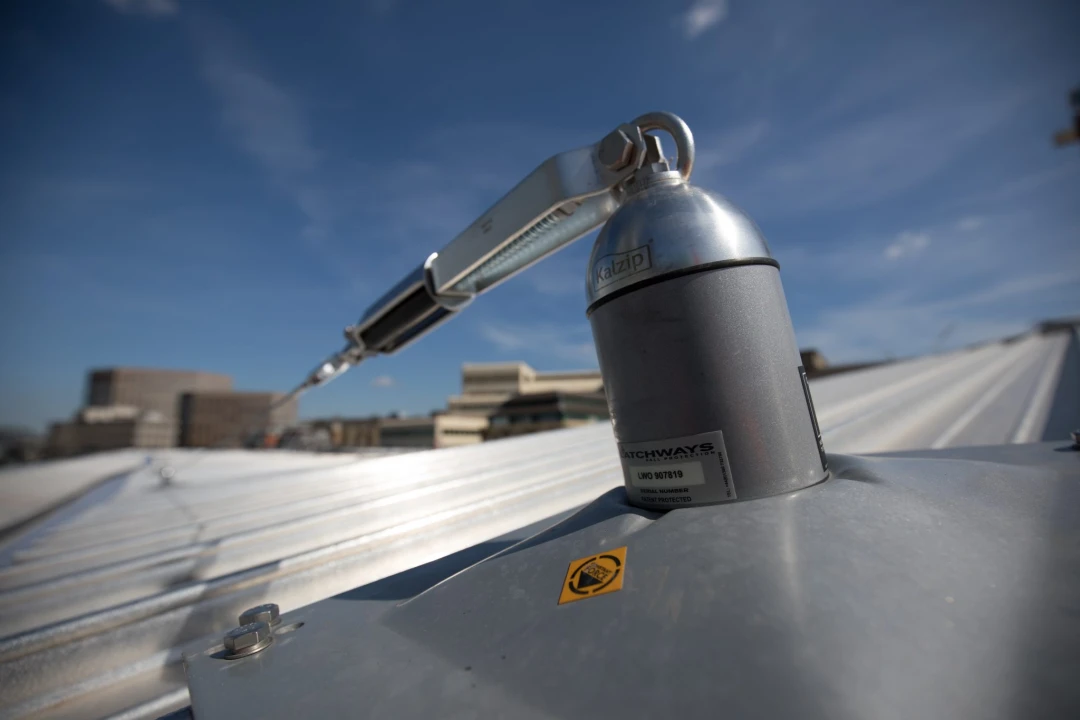
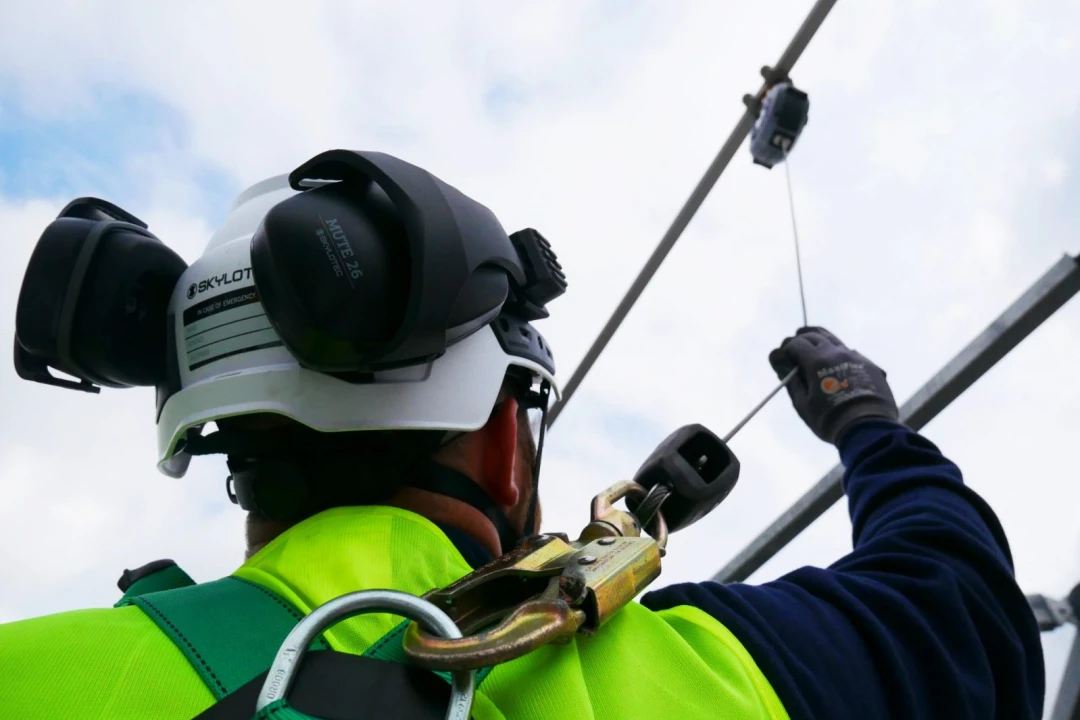
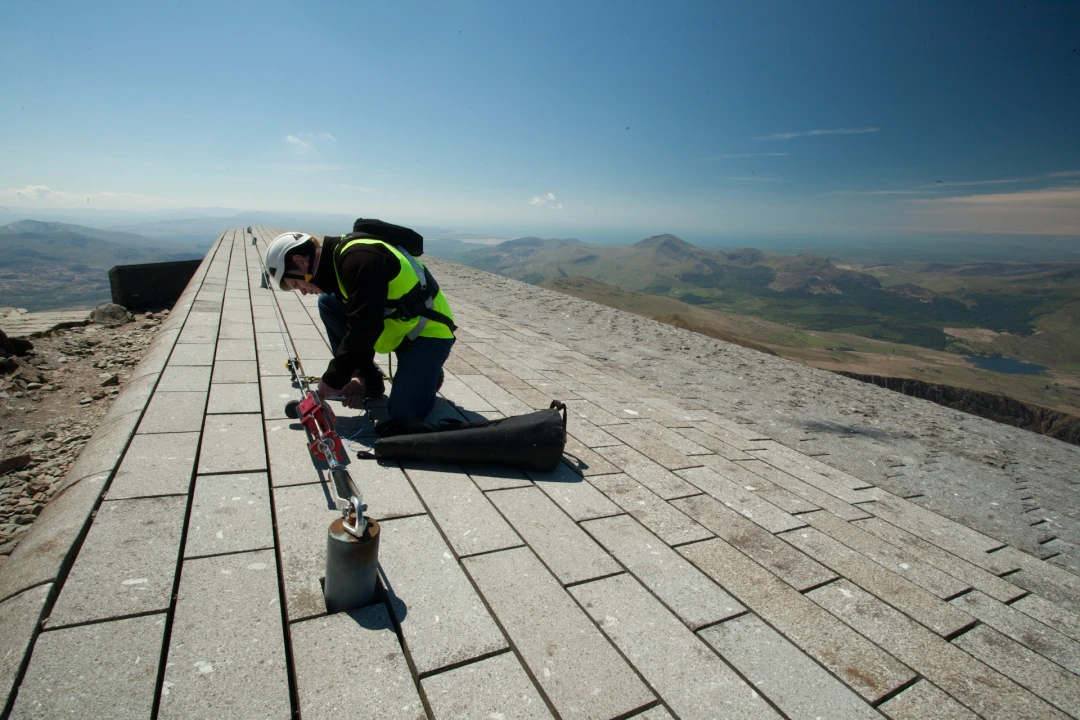
Where collective protection is not feasible, we design and install tested horizontal lifelines and anchor systems to provide safe restraint or fall arrest.
Ladder Systems and Safe Roof Access
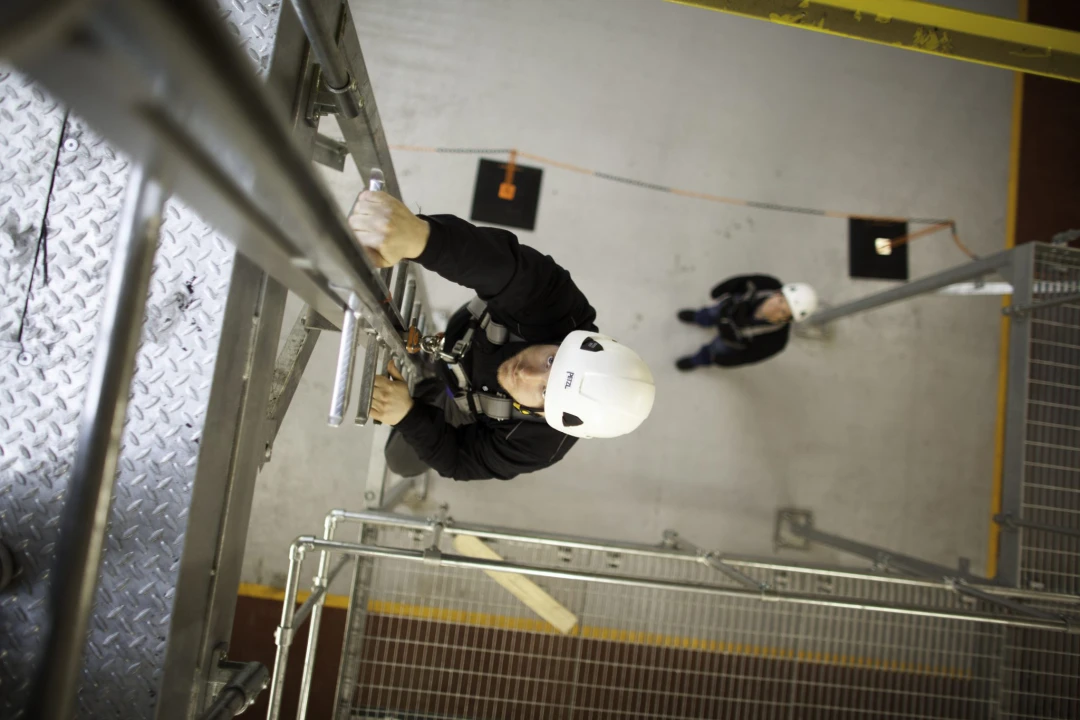
Safe access from ground level to rooftop is essential. Fixed ladders, step overs and roof access hatches must be designed with both compliance and usability in mind.
Inspection, Testing and Ongoing Maintenance
Safety systems require regular inspection and recertification. We provide ongoing testing and maintenance services to ensure systems remain compliant and operational throughout the lifecycle of the solar installation.
Solar on new builds - a missed opportunity or a smart integration?
With 35% of 2025 installations now occurring on new build properties, developers have a unique opportunity to integrate fall protection into the building design stage.
Retrofitting safety systems after completion is often more costly and disruptive. By incorporating guardrails, safe access routes and anchor systems at design phase, projects benefit from:
Reduced long-term risk
Lower lifecycle costs
Simplified maintenance planning
Improved compliance
Clear CDM duty holder responsibilities
Solar is no longer optional for many developments. Safety should not be an afterthought.
Supporting social housing and asset managers
The growth in solar across social housing and private rented sectors presents a different challenge.
Portfolio-wide solar rollouts mean that:
Maintenance teams will access multiple roofs
Contractors may vary across regions
Existing roofs may lack compliant access systems
A consistent, scalable safety strategy is essential.
We support housing associations and asset managers with roof audits, roof system compliance assessments and structured upgrade programmes to ensure safe access across entire portfolios.
Future-proofing the UK’s rooftops
The UK’s ambition to more than double solar capacity by 2030 will significantly increase roof utilisation across residential, commercial and public sector estates.
Every solar array installed today represents 20-30 years of future maintenance access.
The question building owners must ask is not simply: Can we install solar?
But rather: Can we install and maintain it safely for decades to come?
Partnering with Eurosafe for Solar Installation and Maintenance Safety
At Eurosafe, we combine technical expertise in fall protection, façade access and compliance with practical experience across live construction and operational environments.
Our solar safety solutions are designed to:
Meet current UK regulations and standards
Integrate seamlessly with roof design
Minimise disruption during installation
Provide long-term protection for maintenance teams
Support asset owners in managing risk responsibly
Whether you are planning a new solar installation, upgrading existing assets or managing a large property portfolio, we can help ensure safety infrastructure keeps pace with the UK’s solar expansion.
Learn more about...


For more information about solar PV safety solutions we can provide please contact...
Daniel Capper
Pre-Construction Director, Contracting