
- Inspection & Maintenance
- Other Inspection & Maintenance Services
- Lightning Protection Test & Inspection
Lightning Protection Test & Inspection
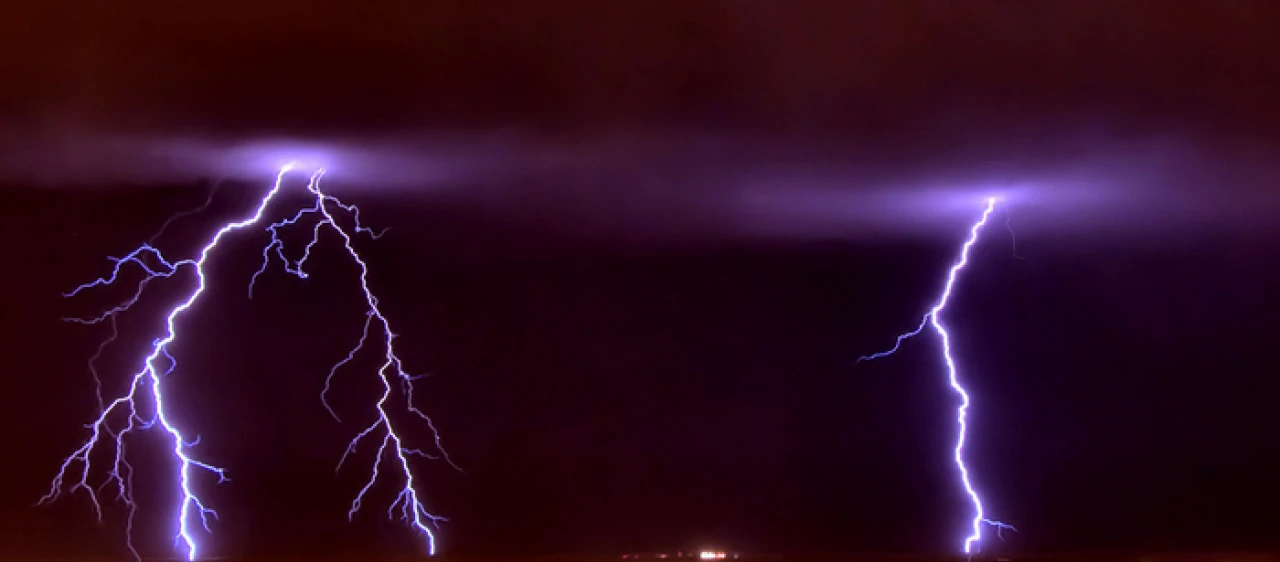
The ever-increasing reliance upon electronic systems in our everyday lives and the subsequent consequences of damage to these systems heightens the need to protect them from damage by lightning strikes with lightning strike testing.
Our extensive experience in working safely at height, combined with our knowledge of lightning protection, means we can offer a comprehensive nationwide lightning strike protection test and inspection service.
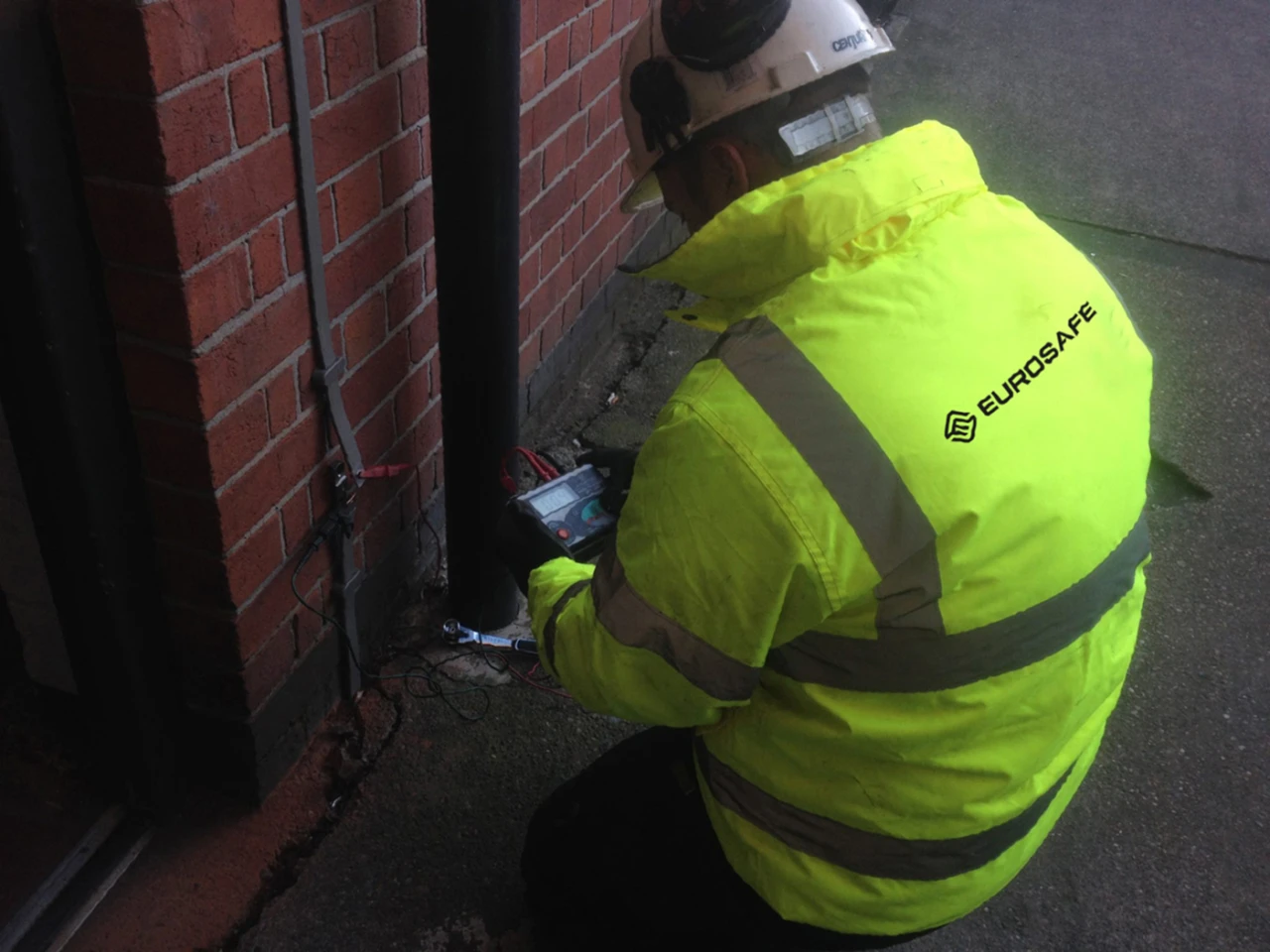
It is a requirement of The Electricity at Work Regulations 1989, Reg 4 (2), to have lightning protection systems professionally maintained to minimise danger. As part of our service, we undertake an earth resistance test using calibrated test meters at ground level, visually inspect the down conductors (affixed to the wall) for signs of damage/missing components and test for continuity. We also undertake a visual inspection of the ‘airstrike’ components – the parts of the system located on the roof of the structure where lightning is most likely to hit.
Whilst undertaking the inspection of the roof-mounted airstrike components, it is possible that our engineers are potentially exposed to a fall hazard, so rescue planning is required. We provide you, the duty holder with the reassurance that our engineers are appropriately trained in working at height and rescue. This therefore allows them to safely access all areas required as part of the lightning protection inspection process.
It is worth noting at this point that lightning protection/earthing systems alone will not eliminate the possible damage to electrical goods caused by a lightning strike. There is a need to have a comprehensive protection system, which incorporates earthing, surge protection and electromagnetic shielding.
Frequency of Inspection
It is recommended that lightning protection systems should be professionally checked at least once a year to guarantee that it can safely conduct a prospective lightning strike to an earthing point.
At Eurosafe, we provide regular lightning protection testing and inspection on an annual basis in accordance with the recommendations of BS6651:1999 for existing older systems and in line with BS EN 62305:2004 for modern systems.
By working with us, you can be assured that your system is tested and inspected within the required frequency, giving you complete peace of mind.
Regular testing and inspection are essential to ensure lightning protection systems continue to perform effectively. Find out why lightning protection testing is essential for building safety and what regular inspections can help identify.
Frequently Asked Questions
A lightning protection system is designed to safely direct a lightning strike to the ground, reducing the risk of damage to a building, its structure, and its electrical systems. It typically includes air termination (on the roof), down conductors, and an earthing system.
Lightning protection systems degrade over time due to weather exposure, corrosion, and physical damage. Regular testing and inspection ensure the system remains effective in safely conducting lightning strikes and protecting both the building and its electrical infrastructure. Find out more about why lightning protection testing is essential for building safety and the risks of neglecting regular inspections.
Yes. Under the Electricity at Work Regulations 1989 (Regulation 4(2)), electrical systems, including lightning protection, must be maintained to prevent danger. Regular inspection helps duty holders demonstrate compliance with this legislation.
Lightning protection systems should be professionally inspected at least once a year. This ensures the system can safely conduct a lightning strike to the earthing point and remains compliant with relevant standards.
Lightning protection systems are inspected in accordance with:
BS EN 62305:2004 for modern systems
BS 6651:1999 for older, legacy systems
These standards define the requirements for design, installation, and maintenance.
A typical inspection includes:
Earth resistance testing using calibrated equipment
Continuity testing of the system
Visual inspection of down conductors for damage or missing components
Inspection of roof-level air termination systems (airstrike components)
Air termination components are the parts of the lightning protection system located at roof level, where lightning is most likely to strike. These components capture the strike and direct it safely through the system to ground.
Earth resistance testing measures how effectively the system can disperse electrical energy into the ground. Low resistance is essential to ensure lightning energy is safely dissipated without causing damage.
No. While lightning protection systems reduce the risk of structural damage, they do not fully eliminate the risk to electrical systems. A comprehensive approach should include surge protection and electromagnetic shielding.
The duty holder - typically the building owner, employer, or facilities manager - is responsible for ensuring the system is properly maintained, inspected, and safe to use.
Yes. Inspecting roof-mounted components requires working at height. This introduces fall risks, which must be managed through proper planning, training, and rescue procedures.
Eurosafe engineers are trained in working at height and rescue procedures, allowing them to safely access all areas of the building. This ensures inspections are carried out thoroughly while maintaining high safety standards.
Yes. Eurosafe provides annual testing and inspection services aligned with British Standards, helping duty holders maintain compliance and ensuring systems remain effective and safe.
Request free quotation
Fill in the form below to request your free, no-obligation lightning protection inspection quotation.