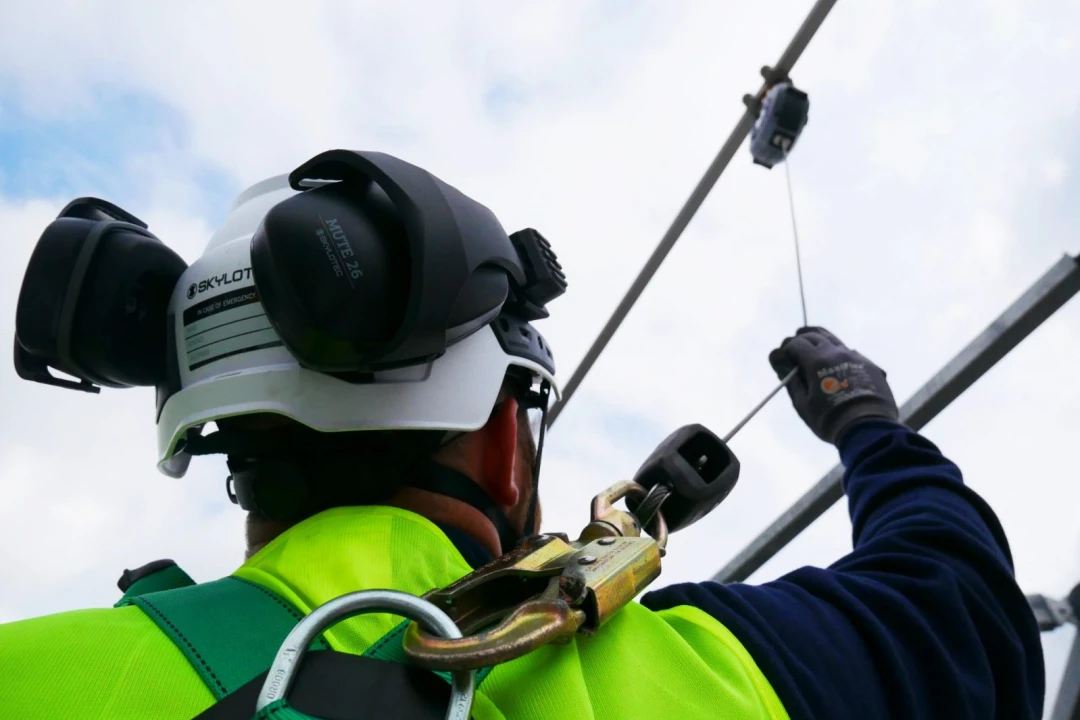
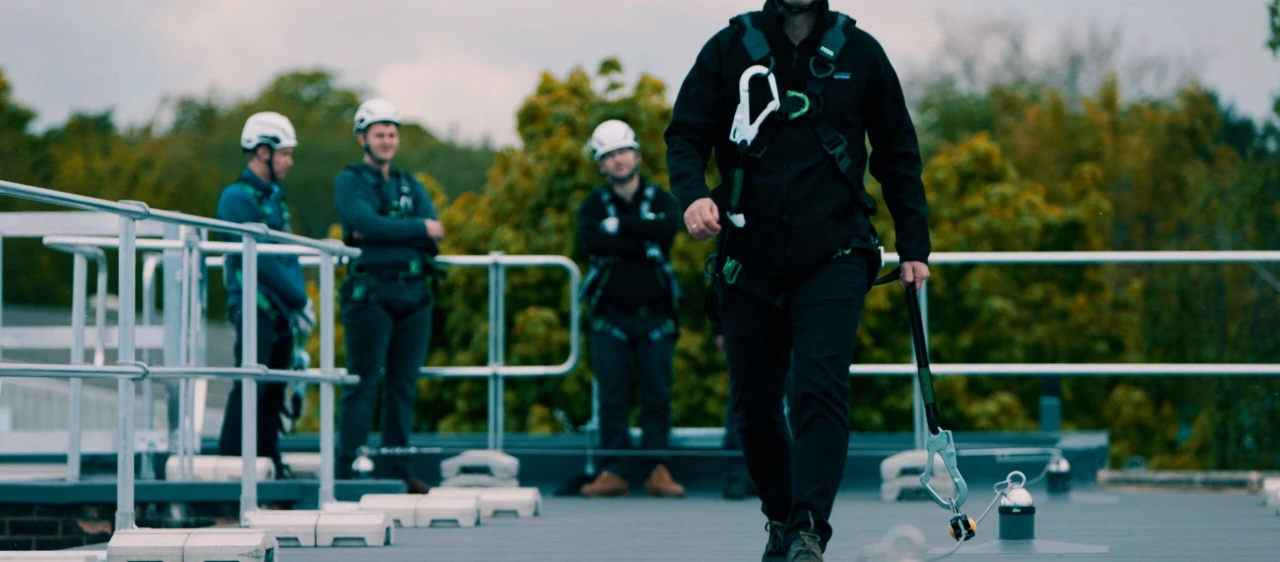
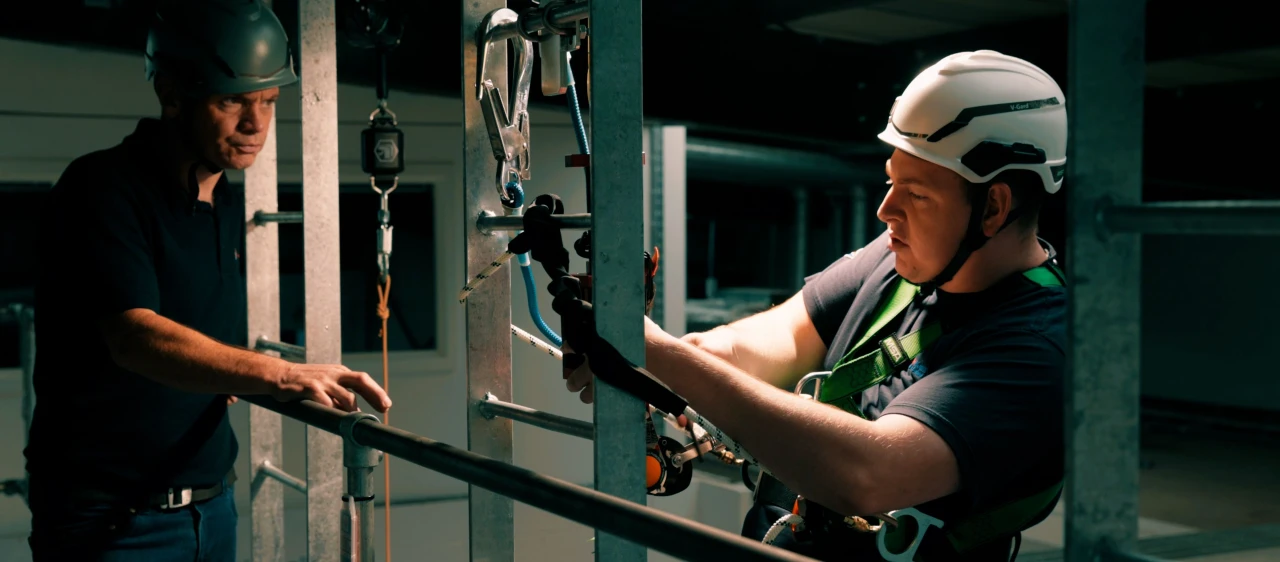

- Training & Education
- Height Safety Training
Height Safety Training
As a specialist in fall protection and height safety, Eurosafe provides a comprehensive range of working at height training courses designed to give individuals the knowledge, practical skills and competence needed to work safely at height.
Our training forms part of the wider Safety Circle®, providing an integrated approach to working at height safety - from consultancy and risk assessment through to fall protection systems, PPE, training, inspection and ongoing compliance.
Eurosafe Height Safety Training Programmes
Drawing on decades of experience in the fall protection industry, Eurosafe delivers a comprehensive range of height safety and working at height training courses, including Energy & Utility Skills accredited training.
Our programmes combine relevant theory with practical, hands-on training, helping delegates understand not only what is required when working at height, but how to apply safe working practices in real-world environments.
Training covers areas such as hazard identification, risk assessment, fall prevention and protection, the correct use of equipment and appropriate emergency procedures. Course content and practical exercises vary according to the level and type of training selected.
Upon successful completion of the relevant course requirements, delegates receive certification confirming completion of their training.
Browse our height safety training courses below to find the most appropriate training for you or your team. Available course dates can be booked online to secure your place.
Not sure what level of training your personnel require? Our Height Safety Consultancy & Audit services can assess your working environment and help identify appropriate training, PPE and fall protection requirements.
Managing Work at Height (MWAH01)
This course provides the knowledge and skills to plan, select appropriate equipment, and manage rescue activities for working at height.
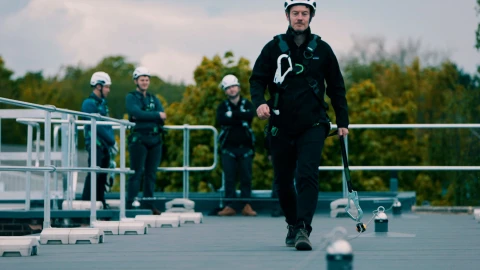
Working at Height Safety (WAH)
This course is aimed at personnel who are required to work or supervise at height.
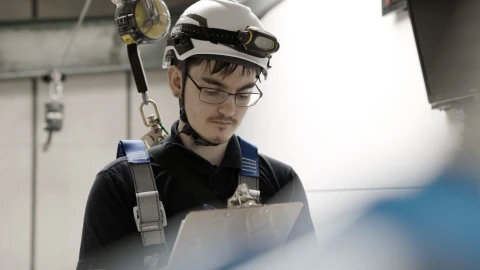
Work at Height Permit Writers (WAHPW01)
This course equips personnel issuing working at height permits with skills to audit RAMS and issue suitable permits.
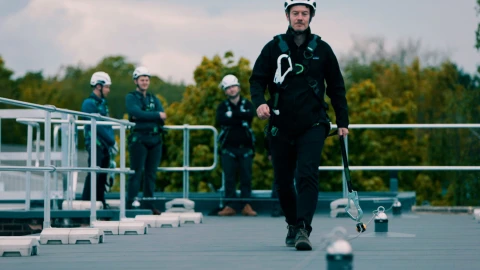
EUSR Rooftop Worker – Safety & Access Scheme (RTW01)
This course aims to raise your awareness and understanding of rooftop hazards, help you identify equipment and techniques to work safely and prevent falls, and improve your recognition of associated risks.
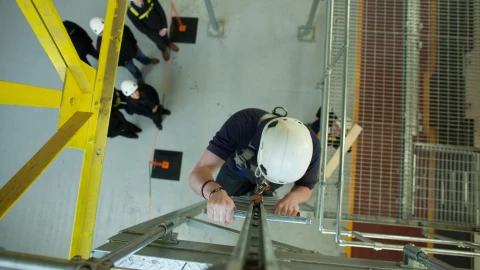
Advanced Rooftop Safety (ART02)
Advanced Rooftop Safety Training covering work restraint, fall arrest and work positioning. Develop practical skills for safe working at height and roof access.

Harness & Lanyard User (HLU01)
The course is for those working in roles like MEWPS operators, window cleaners, scaffolders, and maintenance engineers who must wear full body harnesses and lanyards.
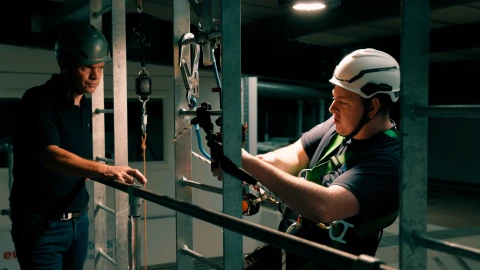
Personal Fall Protection Systems & PPE (PFPS)
This course is aimed at persons who are required to use installed horizontal and vertical personal fall protection systems.
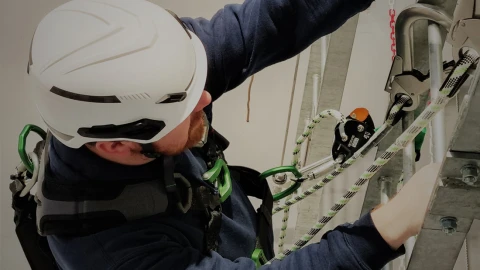
Rescue From Height (RWAH01)
This course is aimed at personnel who work at height and are required to legally implement a rescue plan for all working at height.
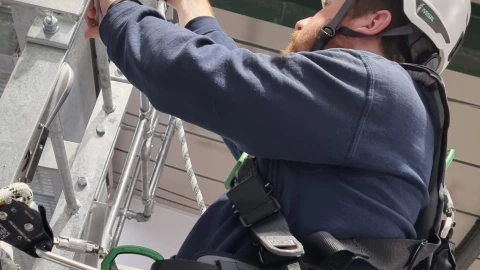
EUSR Working at Height Safety & Rescue (CWAH)
This EUSR endorsed course equips participants with the knowledge and skills for safe work and emergency response in high-risk environments.
Why Height Safety Training is Essential
Working at height carries significant risks, making appropriate training and effective fall protection essential. Falls from height remain one of the leading causes of fatal workplace accidents in Great Britain, with an average of 37 fatalities recorded annually over the past four years. Working on fragile roofs is one particular hazard that requires careful planning and appropriate control measures.
Effective training helps workers understand the hazards associated with working at height, select appropriate control measures and use access and fall protection equipment correctly. Refresher training can also help ensure that knowledge and practical skills are maintained over time. This includes understanding the importance of using appropriate head protection when working at height.
Whether you need training covering the Work at Height Regulations 2005, practical instruction in the use of height safety equipment or more advanced training for specific work activities, we offer courses to suit a wide range of roles and working environments.
Frequently Asked Questions
Anyone working at height should be identified as competent to carry out the tasks required. This involves ensuring they have sufficient skills, knowledge, and experience. This can be demonstrated through working at height training qualifications. Anyone taking part in working at height training does not have to be a competent person as long as they are supervised by somebody who has been deemed competent.
The level of skills, knowledge, and experience required to be classed as competent depends on the task required. For example, tasks that are low-risk and short duration may require no more than short instruction and appropriate training. On the other hand, tasks such as drawing up plans for complex scaffold assembly will require a higher level of skills, knowledge, and experience. Specialist working at height training schemes and certification is one way to demonstrate competence for higher-level tasks.
The Work at Height Regulations 2005 (WAHR) apply to all work where a fall could occur that may cause personal injury. The regulations apply to employers and anyone that controls work at height, for example if you are a contractor or a factory owner.
The Work at Height Regulations 2005 state that duty holders must ensure that:
All work at height is properly planned and organised.
Those involved in work at height are competent.
The risks from working at height are assessed, and appropriate work equipment is selected and used.
The risks of working on or near fragile surfaces are properly managed.
The equipment used for work at height is properly inspected and maintained.
Any work that occurs at a height where a worker could fall a distance that could cause personal injury or death if precautions are not taken. This includes any places where work is undertaken above ground level, where you could fall from an edge, or where you could fall from ground level into an opening. Falls from height must involve a fall from one level to another. For this reason, slips and trips that occur on one level do not constitute a fall from height. Falls on permanent staircases can also not be classed as falls from height.
Lack of correct working at height training is a major contributing factor in the fatal and major injury accidents caused by falls from height. Without correct training, workers are at a significantly higher risk of making errors that could lead to severe injuries or even death.
Effective height safety training equips workers with the necessary skills and knowledge to perform their tasks safely and efficiently, reducing the likelihood of accidents. By prioritising height safety training, employers can create a safer work environment, minimise risks, and provide greater peace of mind to building owners, managers, and employees.
As well as receiving the correct working at height training, workers should be regularly appraised and receive training refreshers. Continuous training helps reinforce safety practices, updates workers on new safety equipment or procedures, and addresses any gaps in knowledge or skills that may develop over time.
Leveraging Eurosafe’s leadership position in the fall protection industry, we offer a range of cutting-edge height safety training programmes tailored to individual worker needs. These courses are meticulously designed to provide participants with the appropriate level of training, resulting in a significantly safer work environment where risks are minimised.
Our height safety training programmes include:
Working at Height on Vertical and Horizontal Systems