
- Training & Education
Training & Education
Correct and robust education of your employees and sub-contractors increases awareness of working safely at height and in confined spaces, reducing the risks and improving long-term efficiency.
By training your workers, you can increase awareness of safe working practices and help reduce the risks associated with working at height and in confined spaces.
Our Accreditations & Partners





Height Safety Training
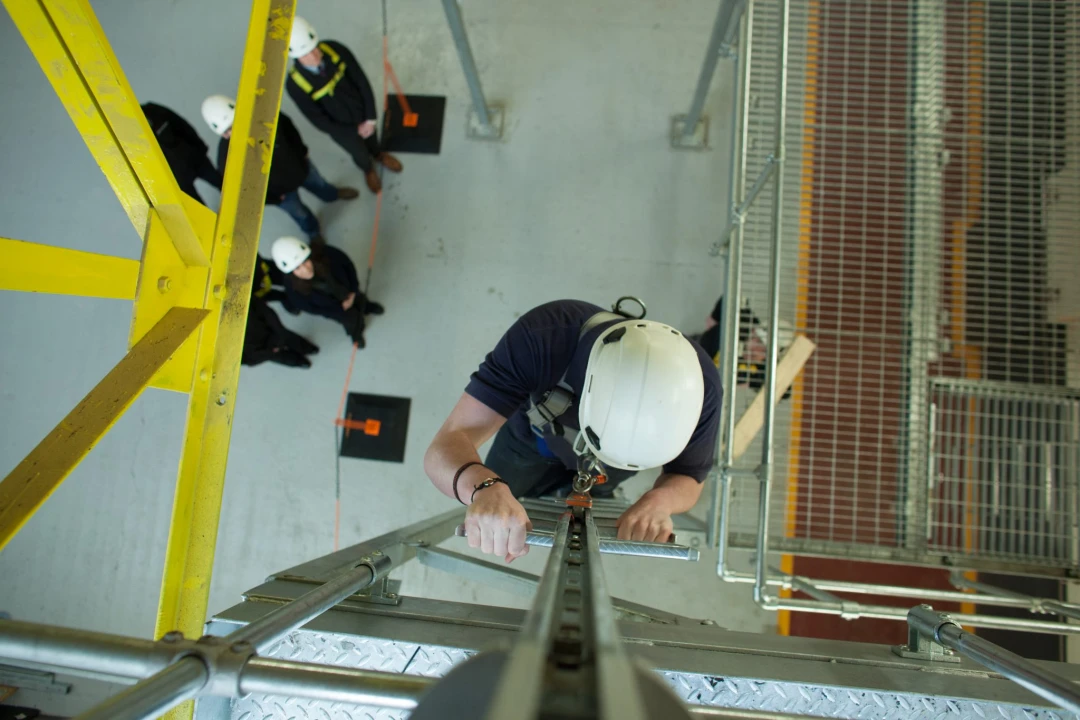
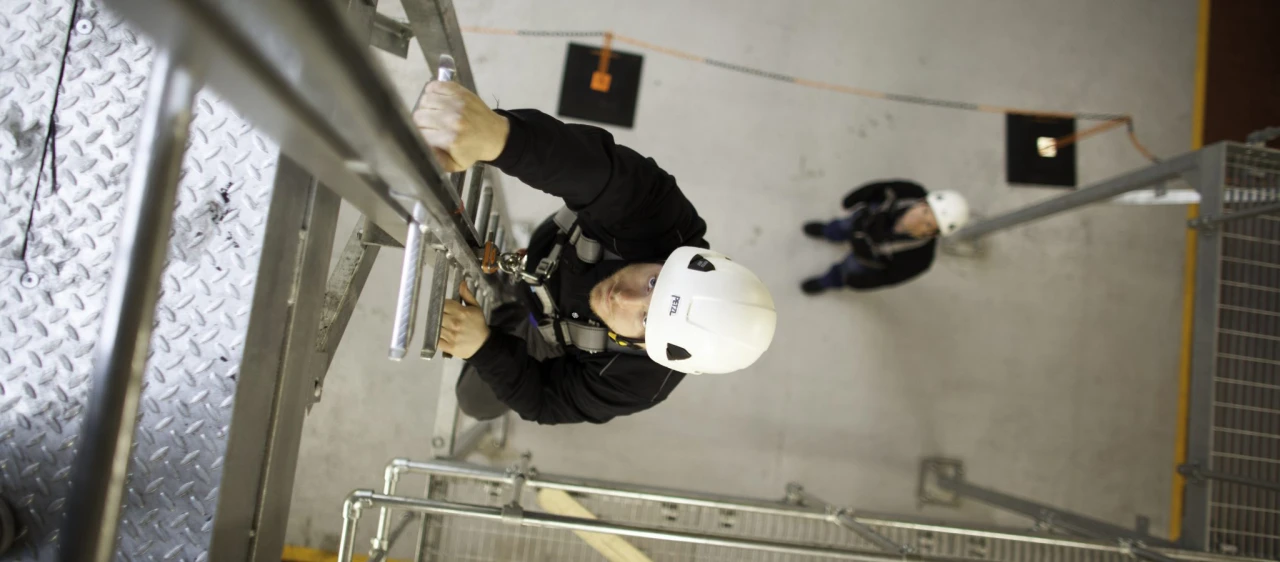
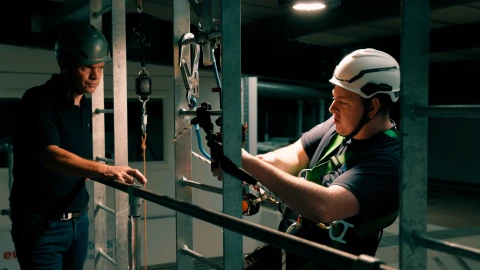
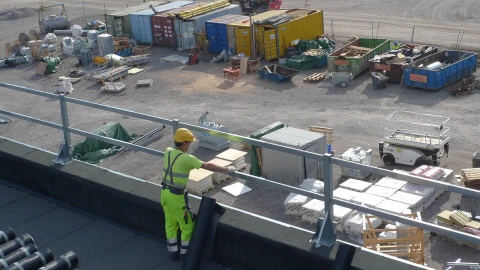
Tailored height safety courses for managers, permit writers, PFPE users, and rescue from height workers, covering risk assessment, safe practices, equipment use, and emergency response.

Confined Space Training
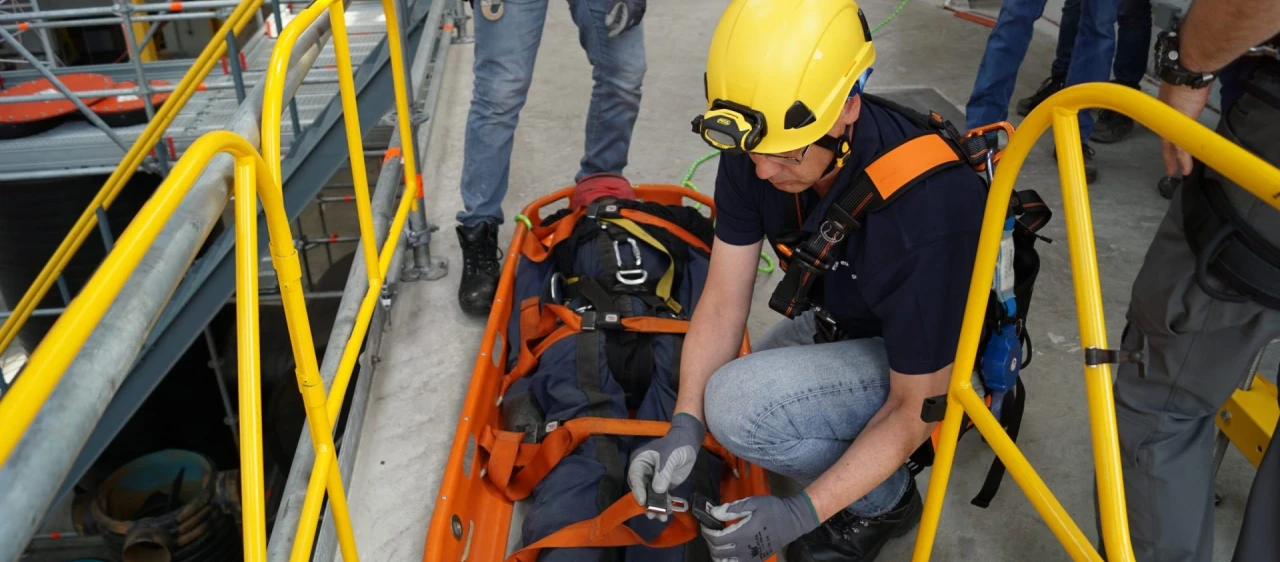
Comprehensive training covering all aspects of confined space work, including safe entry and exit procedures, hazard identification, equipment use, and rescue operations.
CITB Training
Our CITB-accredited training courses are designed to support safety, compliance, and workforce development across the construction and industrial sectors.
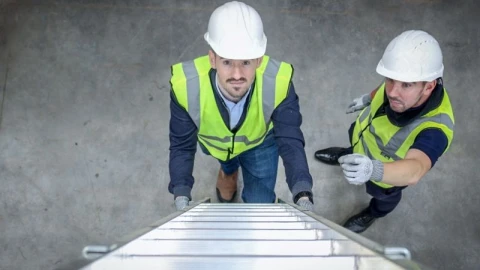
Ladder Safety Training
Ladder Association accredited training courses designed for Ladder, Stepladder, and Step Stool users, inspectors, and managers.
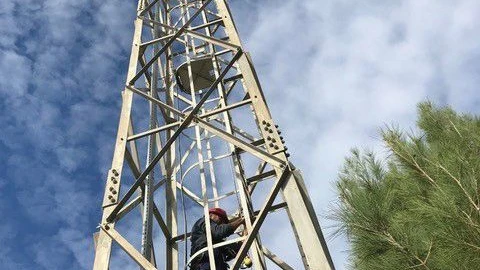
MSA Latchways Installer Training
Training courses designed to equip registered MSA Latchways installers with the knowledge & skills required to perform pre-installation checks, installations, inspections, and safe usage of fall arrest vertical systems.
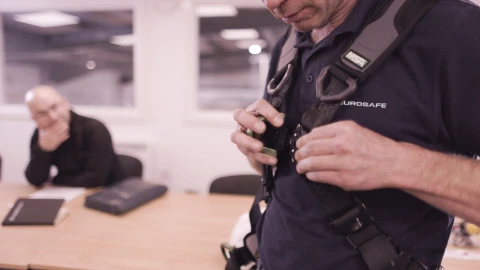
General Safety Training
Complimentary general safety courses that are commonly required in a workplace.

Recent Reviews

"Very in-depth information that was easy to follow and knowledge was given to the group on key points where applicable"
- Darran K
"Great course with practical implications and challenges, very engaging."
- Robbie B
"Couldn’t be happier with both of our training sessions this year. Both Steve Wood and Ian Swan were very professional and engaging."
- Migle M
"An excellent and well presented course. The experience and knowledge of the instructor was 2nd to none. Thank you"
- James A
Comprehensive Workplace Safety Training and Education
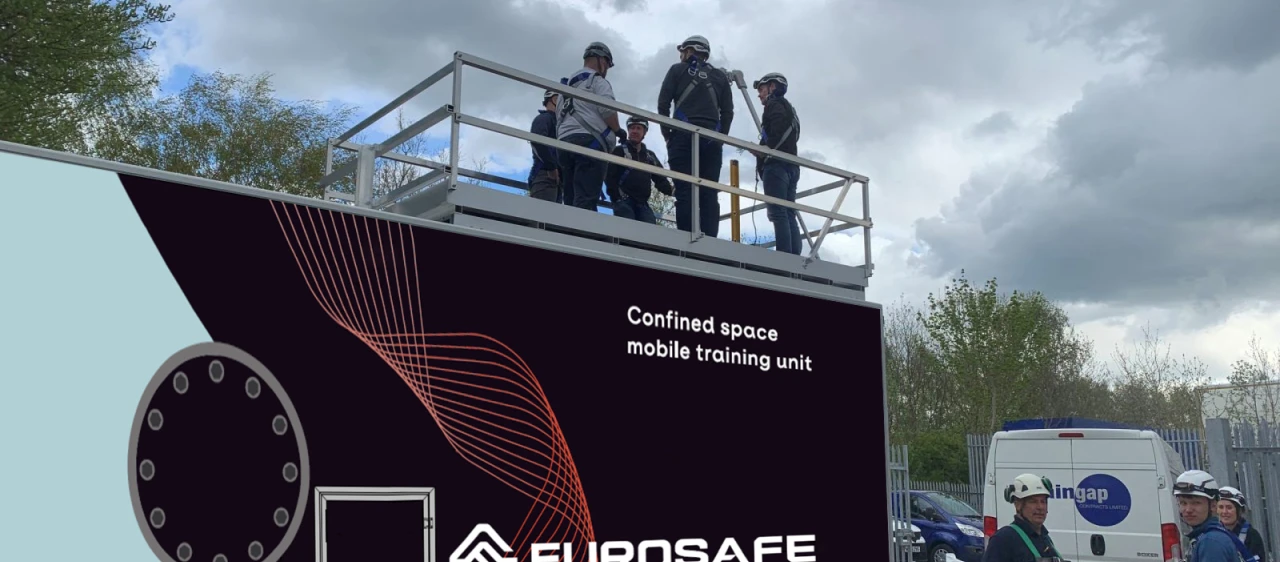
To complement our range of Safety Circle® services, Eurosafe can provide a full range of fully tailored, City & Guilds and Energy & Utility Skills, and Ladder Association accredited courses for both working at height and in confined spaces at our purpose-built Training Academy with training centres in Sheffield and Kent, or at your premises.
With hundreds of delegates trained in working at height and in confined spaces, we boast a proven track record of successfully delivering high-quality training. Find out more about the importance of training for work at height and the benefits it can provide for your employees.
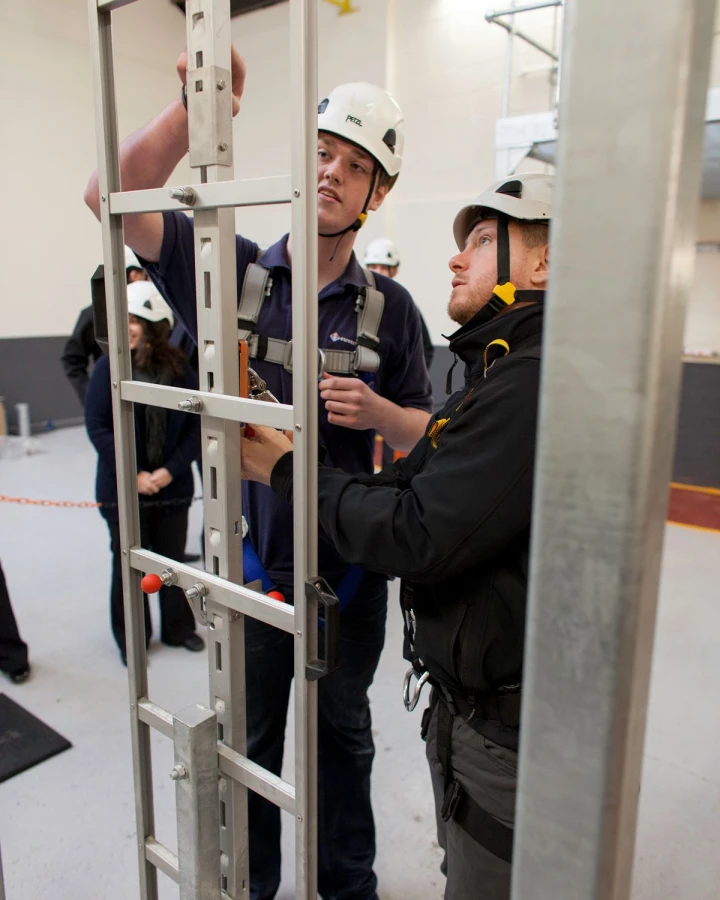
Fully backed and certified by relevant trade bodies and using market-leading PPE equipment from the likes of MSA, IKAR, and Globestock, our training courses ensure that you and your employees get a high level of hands-on experience that applies to the type of environment they will experience while out at work in the real world.
Why choose Eurosafe?
Eurosafe stands out as one of the premier providers of working at height and confined space training in the UK. Here's why:
Extensive Training Record: Having trained numerous delegates in both working at heights and confined spaces, we have established a solid reputation for consistently delivering top-notch training.
Industry Expertise: Our highly qualified instructors bring real-world industry experience to the classroom, ensuring practical and relevant instruction.
Tailored Courses: We understand that one size does not fit all. That's why we offer dedicated courses tailored to meet the specific requirements, locations, and scheduling needs of our clients.
State-of-the-Art Facilities: Our training sites feature industry-recognised facilities designed to replicate real-world scenarios, providing a safe yet realistic environment for hands-on training.
Years of Experience: With many years of delivering Working at Height and Confined Space courses, we have refined our training practices and processes to provide unparalleled quality.
Consultancy Services: Our team of industry experts offers strategic input, identifying risks and offering practical solutions tailored to high-risk and hazardous environments.
FAQs
Working at Height Training
Anyone working at height should be identified as competent to carry out the tasks required. This involves ensuring they have sufficient skills, knowledge, and experience. This can be demonstrated through working at height training qualifications. Anyone taking part in working at height training does not have to be a competent person as long as they are supervised by somebody who has been deemed competent.
The level of skills, knowledge, and experience required to be classed as competent depends on the task required. For example, tasks that are low-risk and short duration may require no more than short instruction and appropriate training. On the other hand, tasks such as drawing up plans for complex scaffold assembly will require a higher level of skills, knowledge, and experience. Specialist working at height training schemes and certification is one way to demonstrate competence for higher-level tasks.
The Work at Height Regulations 2005 (WAHR) apply to all work where a fall could cause personal injury. They place duties on employers and anyone who controls work at height, including contractors and building owners.
To comply with WAHR, duty holders must ensure that:
All work at height is properly planned and organised
Anyone involved in work at height is competent
Risks are assessed and suitable work equipment is selected and used
Risks associated with fragile surfaces are effectively managed
All work at height equipment is regularly inspected and properly maintained
If you would like, I can shorten this further or align it more closely with HSE-style wording.
Work at height includes any task carried out where a person could fall and suffer injury if proper precautions are not in place. This covers work above ground level, near edges, or where there is a risk of falling into an opening from ground level. A fall from height must involve a fall from one level to another, so slips or trips on the same level, and falls on permanent staircases, are not classed as falls from height.
A lack of proper working at height training is a leading cause of serious and fatal falls. Effective training equips workers with the skills and knowledge to work safely, reduces the risk of accidents, and helps create a safer environment for everyone involved.
As well as receiving the correct working at height training, workers should complete training every 3 years to refresh skills and renew their certificate. Regular refresher training helps reinforce safe working practices, keeps workers up to date with new equipment and procedures, and addresses any gaps in knowledge or competence that may develop over time.
Eurosafe offers a range of industry-leading height safety training courses tailored to individual roles and site requirements. Designed by fall protection specialists, our training ensures workers receive the appropriate level of instruction to work safely and minimise risk.
Our height safety training programmes include: