
- Knowledge Base
- Blog
- SFG20 compliance: Why specialist inspection & maintenance still matters
SFG20 compliance: Why specialist inspection & maintenance still matters
As specialists in inspection and maintenance services, we've noticed more and more Facilities Management (FM) providers turning to SFG20 to help support their compliance requirements and maintenance planning.
Developed and maintained by BSRIA (Building Services Research and Information Association), SFG20 provides a recognised standard for building maintenance specifications. It offers pre-written, standardised maintenance schedules for a wide range of building systems and assets, helping FM providers understand what should be inspected, how often inspections should take place, and the maintenance tasks required to support safe and efficient operation.
For many organisations, SFG20 has become an invaluable tool for developing Planned Preventative Maintenance (PPM) programmes, managing risk, and demonstrating a structured approach to building maintenance.
However, while SFG20 is an excellent resource, it is important to understand what it is - and what it isn't.
SFG20 Is a Guide, Not a Governing Body
One of the most common misconceptions we encounter is that following SFG20 automatically guarantees compliance.
In reality, SFG20 is a guidance framework designed to help facilities managers and maintenance providers establish appropriate maintenance regimes. It is not legislation, nor does it replace manufacturer instructions, British Standards, statutory requirements, or the need for competent inspection.
Like any guidance document, there can be instances where recommendations require further interpretation or where asset-specific requirements exceed those outlined within the standard.
This is particularly true for specialist access and safety systems where manufacturers may specify inspection frequencies, testing requirements, or maintenance procedures that go beyond the baseline recommendations contained within SFG20.
Ultimately, compliance is determined by a combination of factors, including:
Manufacturer guidance
British Standards
Industry best practice
Legislative requirements
Asset condition and environment
Competent inspection and assessment
SFG20 should therefore be viewed as a valuable framework rather than the sole source of compliance information.
Why Inspection & Maintenance Services Are Critical
A maintenance schedule is only effective if the required inspections and maintenance activities are actually carried out. Regular inspection and maintenance help organisations move beyond simply having a maintenance plan on paper and ensure that assets remain safe, compliant, and operational throughout their lifecycle.
Effective inspection and maintenance programmes help to:
Identify Defects Before They Become Failures
Routine inspections can reveal wear, corrosion, damage, misuse, or environmental deterioration that may not be visible during day-to-day operations. By identifying issues early, organisations can implement corrective actions before they develop into costly repairs, operational disruption, or safety incidents.
Improve Building Safety
Safety-critical systems are designed to protect people working in potentially hazardous environments. Without regular inspection and maintenance, these systems may no longer perform as intended when required. This is especially important for assets such as:
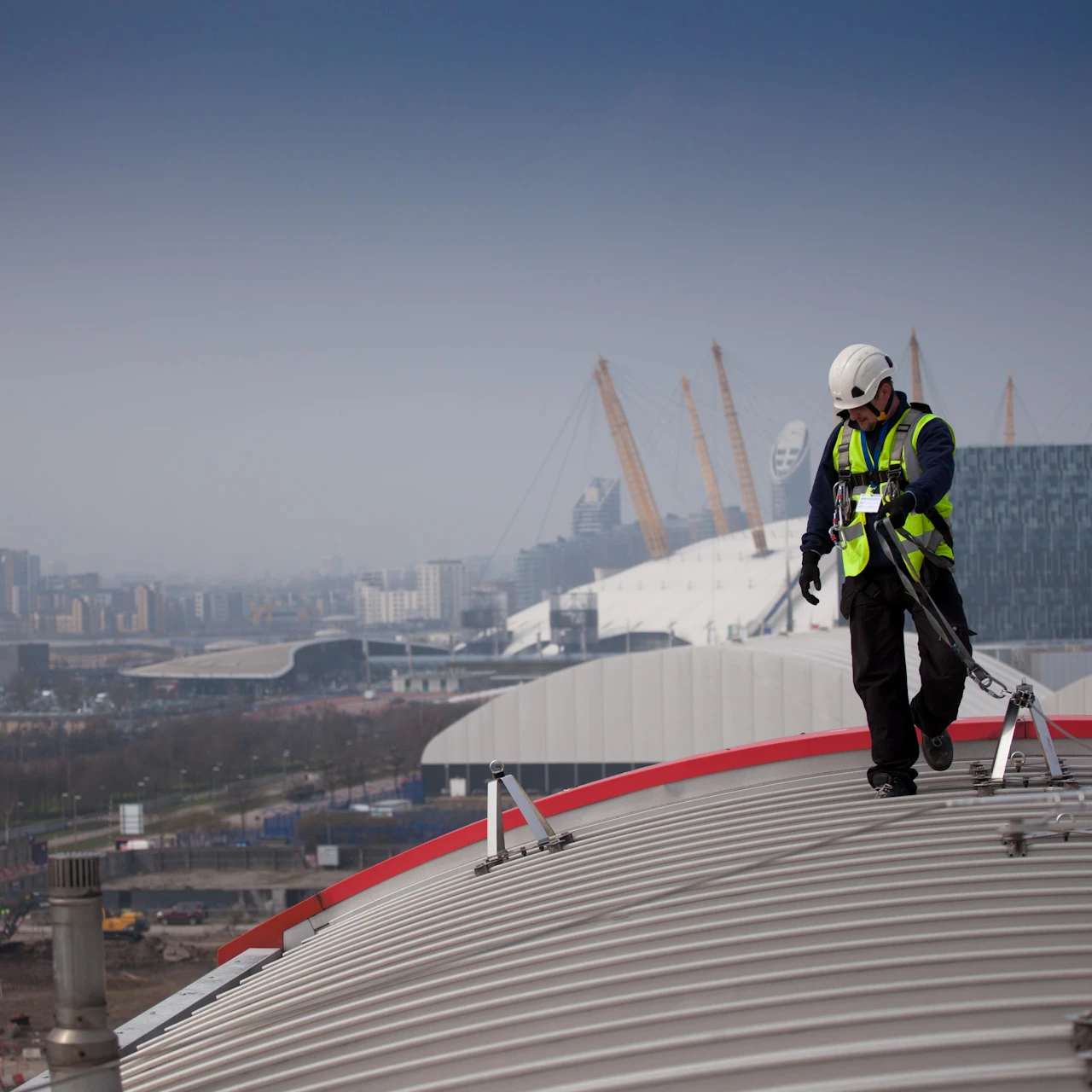
Roof access equipment
Fixed ladders
Walkways
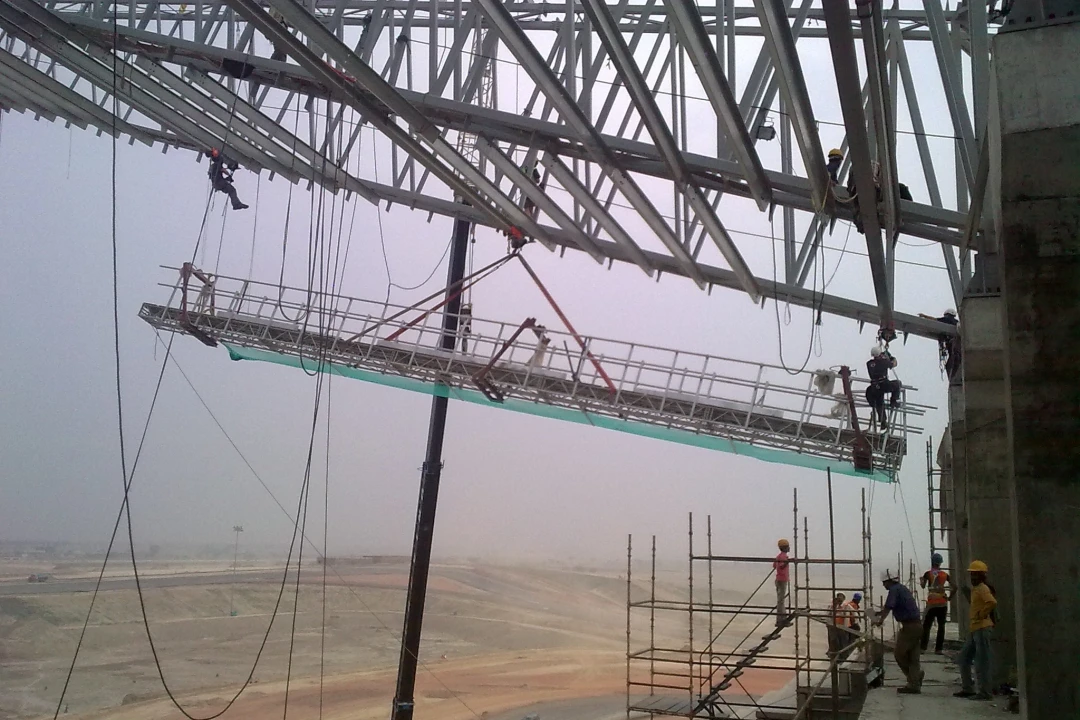
Building Maintenance Units (BMUs)
Ensuring these assets remain in safe working condition is essential for protecting contractors, maintenance teams, and building occupants.
Support Compliance Requirements
Inspection and maintenance records provide evidence that organisations are actively managing their assets and meeting their responsibilities. Detailed reporting and certification can help demonstrate compliance during:
Internal audits
Client reviews
Insurance assessments
Health and safety inspections
Regulatory investigations
Without documented inspections and maintenance, it can be difficult to prove that assets have been properly managed.
Where Specialist Expertise Adds Value
While SFG20 provides a useful maintenance framework, specialist assets often require specialist knowledge.
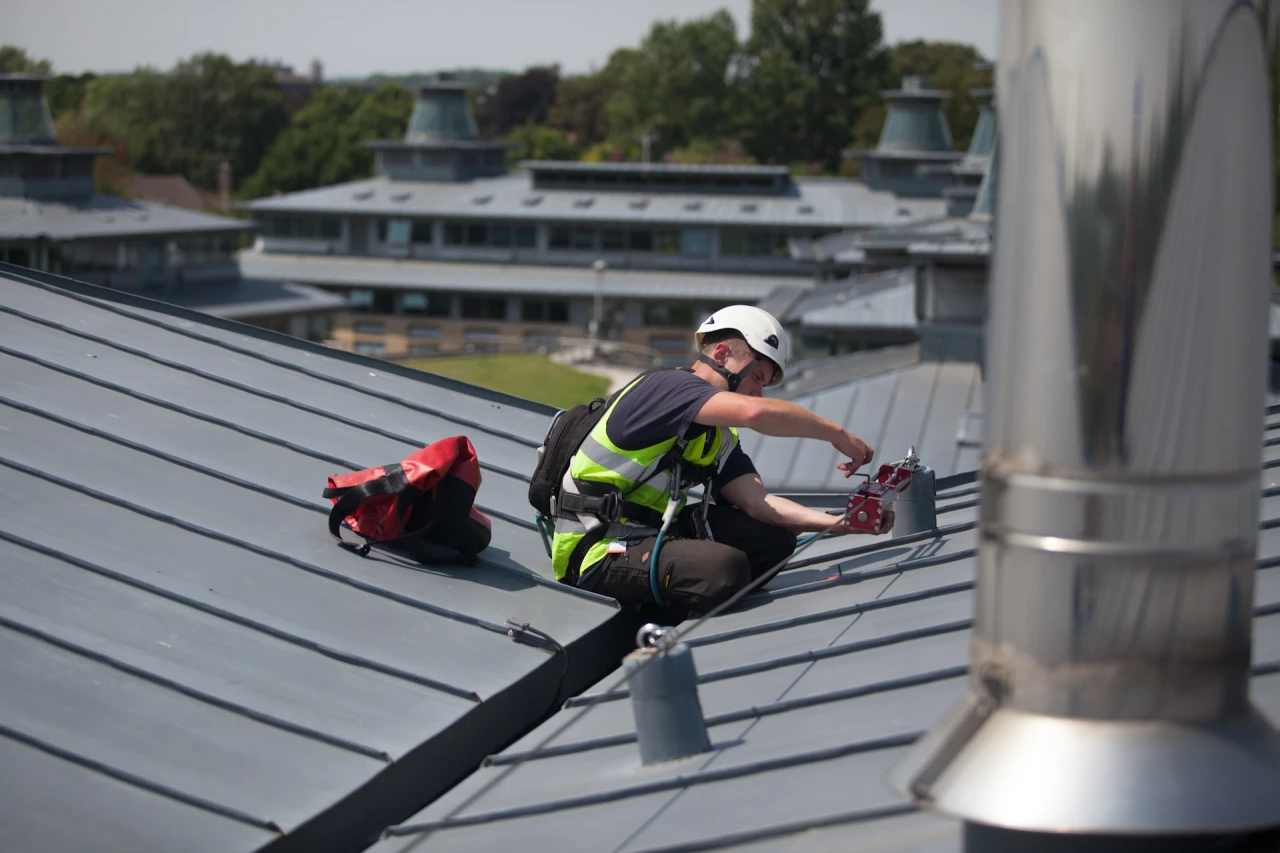
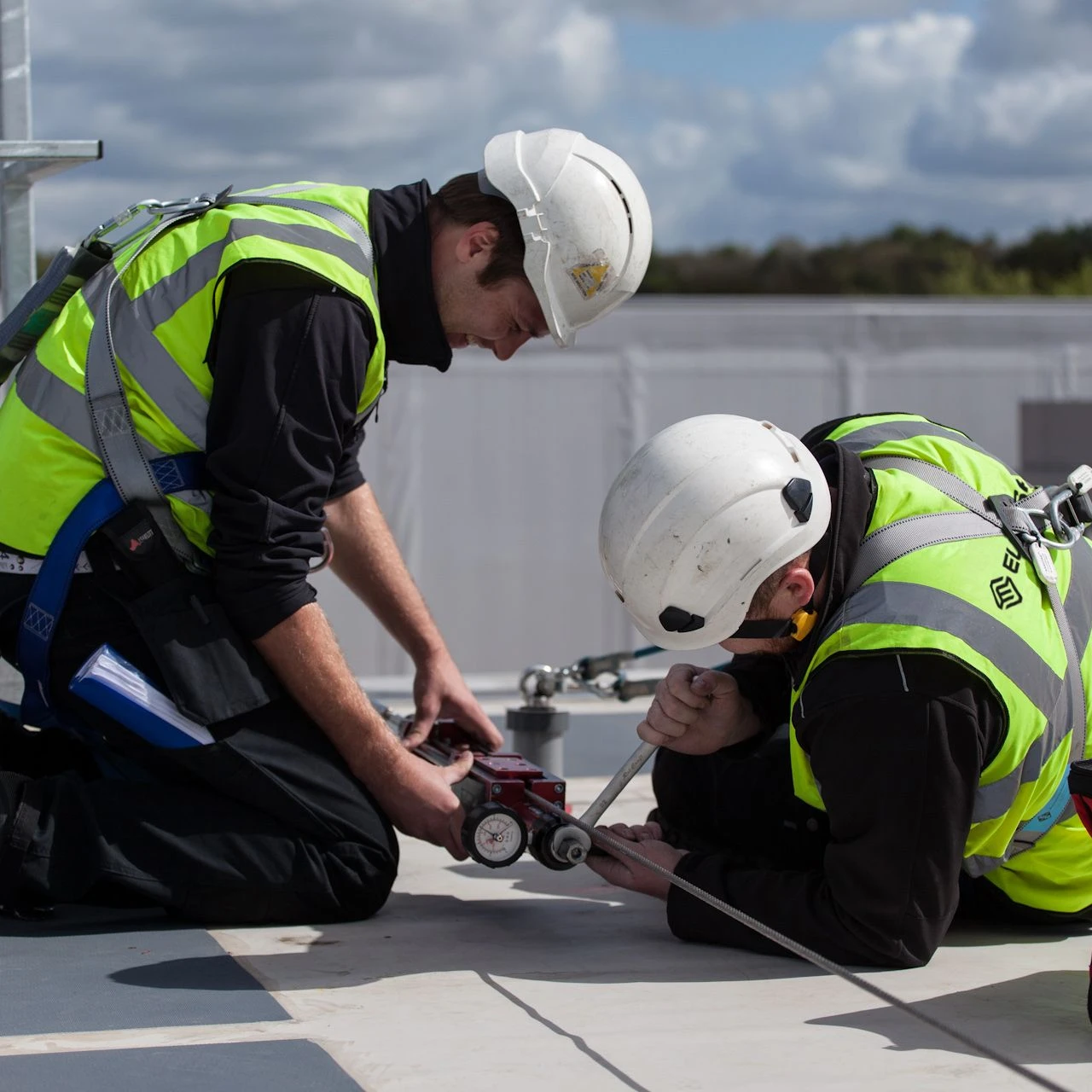
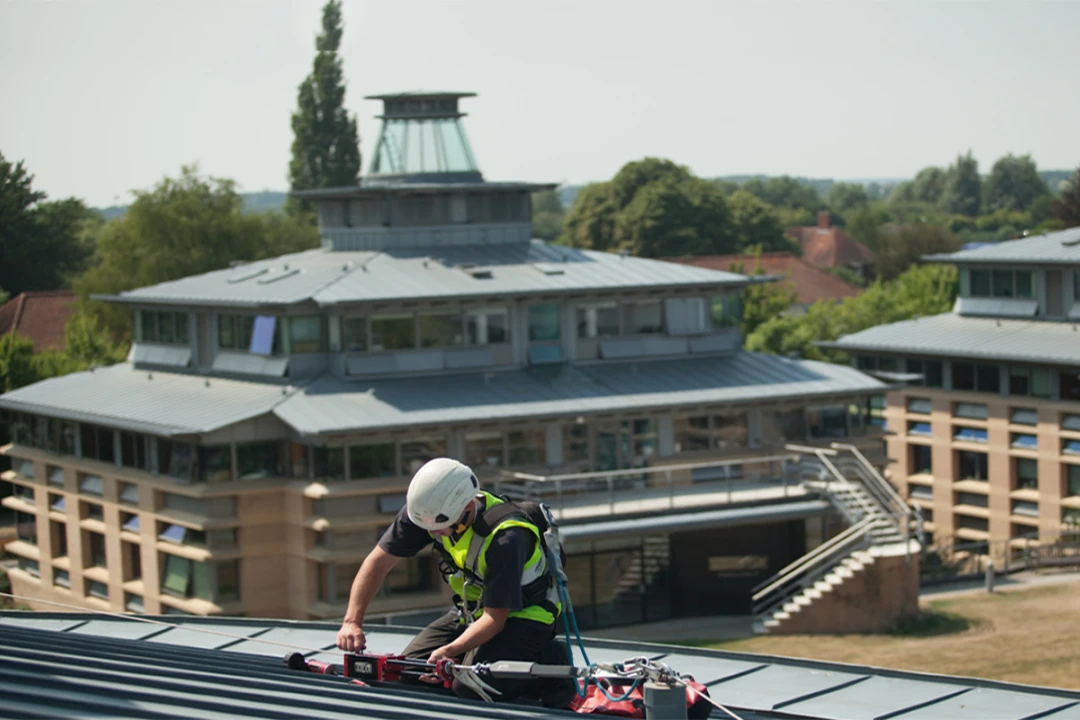
At Eurosafe, our engineers inspect and maintain access and safety systems in accordance with manufacturer requirements, current legislation, relevant British Standards, and industry best practice.
This means our inspections frequently go beyond simply ticking off a maintenance schedule.
Instead, we assess the overall condition, suitability, and ongoing compliance of the system, helping clients understand not only whether an asset has been inspected, but whether it remains safe and fit for purpose.
By taking this approach, we help organisations develop greater confidence in their compliance strategies while reducing risk across their estates.
How Eurosafe Supports FM Providers
Many FM providers use SFG20 as the foundation of their maintenance programmes. Eurosafe supports these programmes by providing the specialist inspection and maintenance expertise needed for safety-critical systems.
Our services include the inspection, testing, certification, maintenance, and repair of:
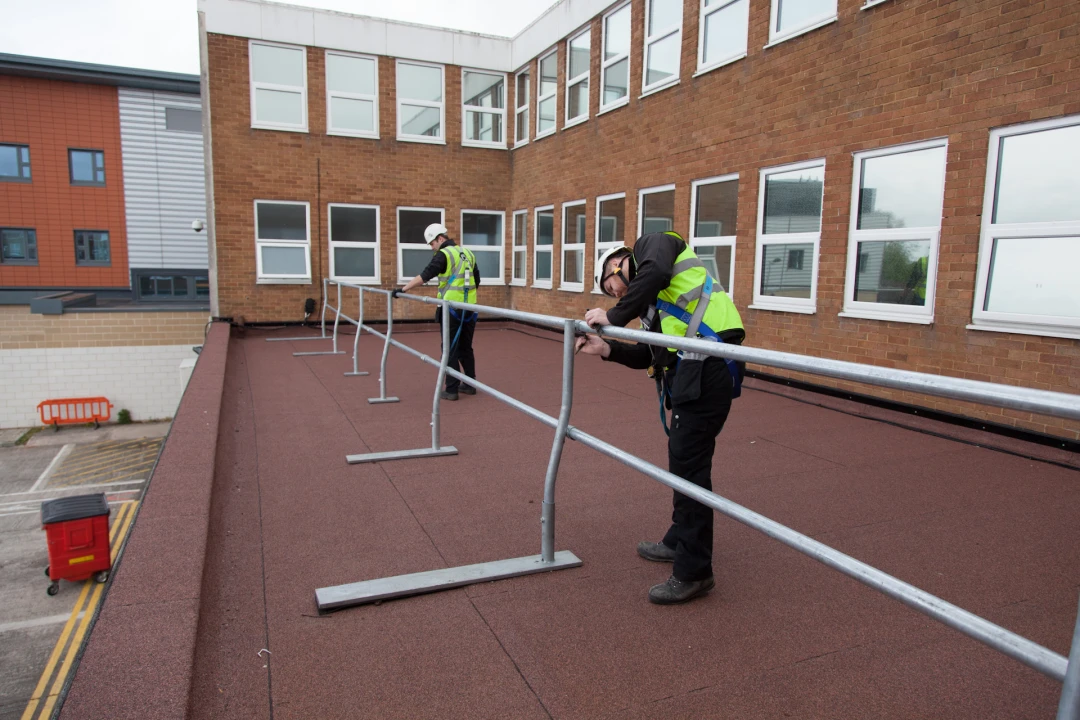
Fall arrest and fall restraint systems
Roof access systems
Fixed ladders
Guardrails and edge protection
Walkways and access platforms
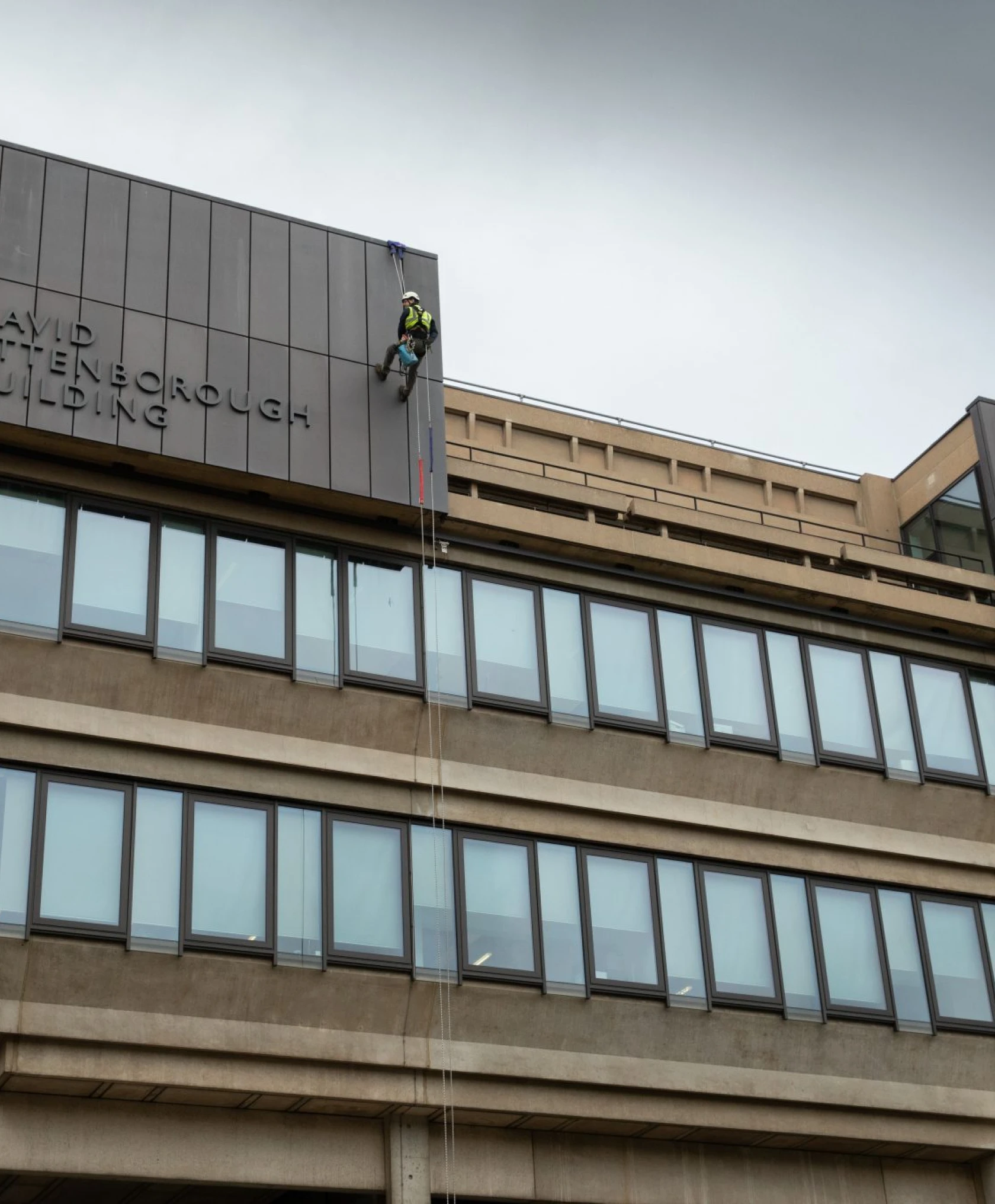
Façade access equipment
Building Maintenance Units (BMUs)
Where defects or compliance concerns are identified, we provide detailed recommendations and remedial solutions to help restore assets to a safe and compliant condition. This allows FM providers to fulfil their maintenance obligations with confidence while ensuring their clients' buildings remain safe and operational.
Building Safety Requires More Than a Schedule
SFG20 has become an important tool for facilities managers seeking to improve maintenance planning and demonstrate a structured approach to compliance. However, achieving compliance is about more than following a maintenance schedule. It requires competent inspections, accurate reporting, ongoing maintenance, and an understanding of the specific requirements associated with each asset.
By combining SFG20 guidance with specialist inspection and maintenance expertise, organisations can create a more robust approach to compliance, improve building safety, and reduce the risks associated with asset failure.
At Eurosafe, we work alongside FM providers and building owners to ensure that safety-critical systems are not only maintained in accordance with maintenance schedules but are also inspected against the standards, regulations, and manufacturer requirements that ultimately determine compliance.

Related Case Studies
View all Case Studies
Heritage
Fall Protection
Inspection & Maintenance
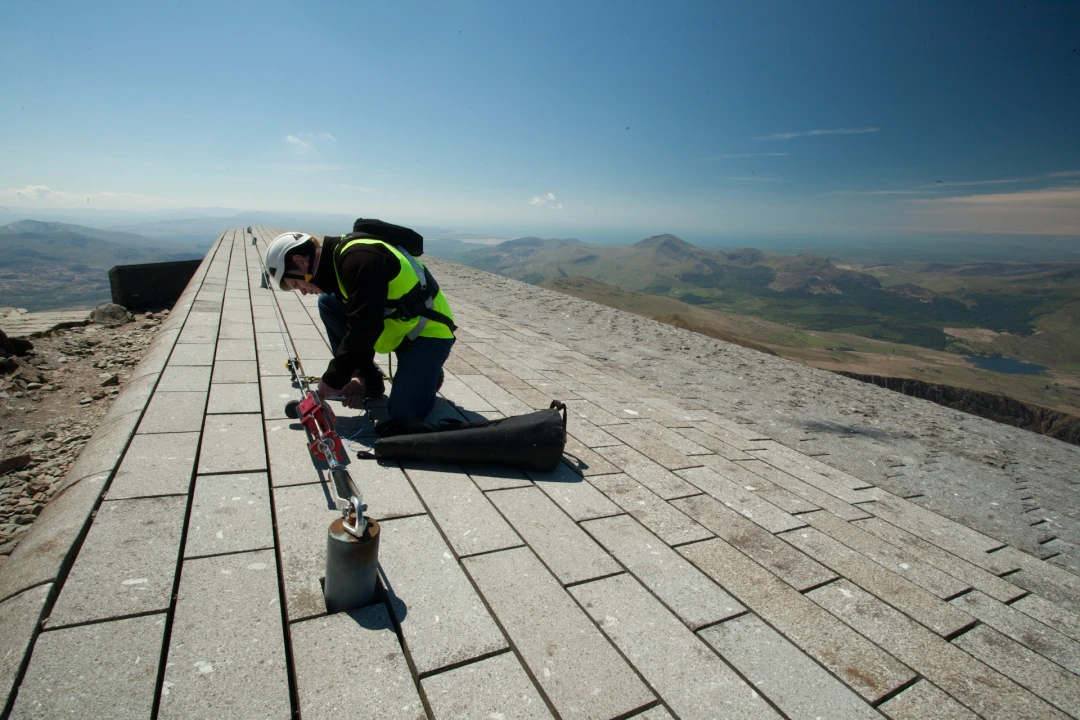
Snowdonia National Park - Snowdon Summit


For more information about the inspection and maintenance services we can provide please contact...
Wayne Reid
Sales Director, Compliance