

- Inspection & Maintenance
- Façade Access System / BMU Inspection
- BMU Cradle Systems Test & Inspection
BMU Cradle Systems Test & Inspection
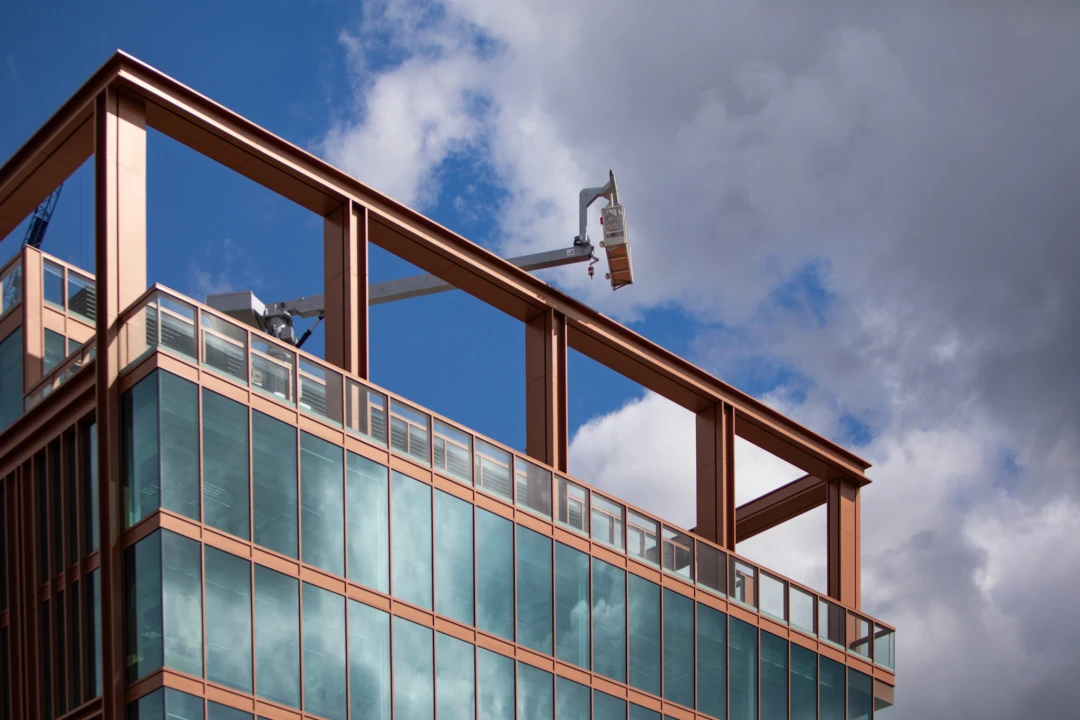
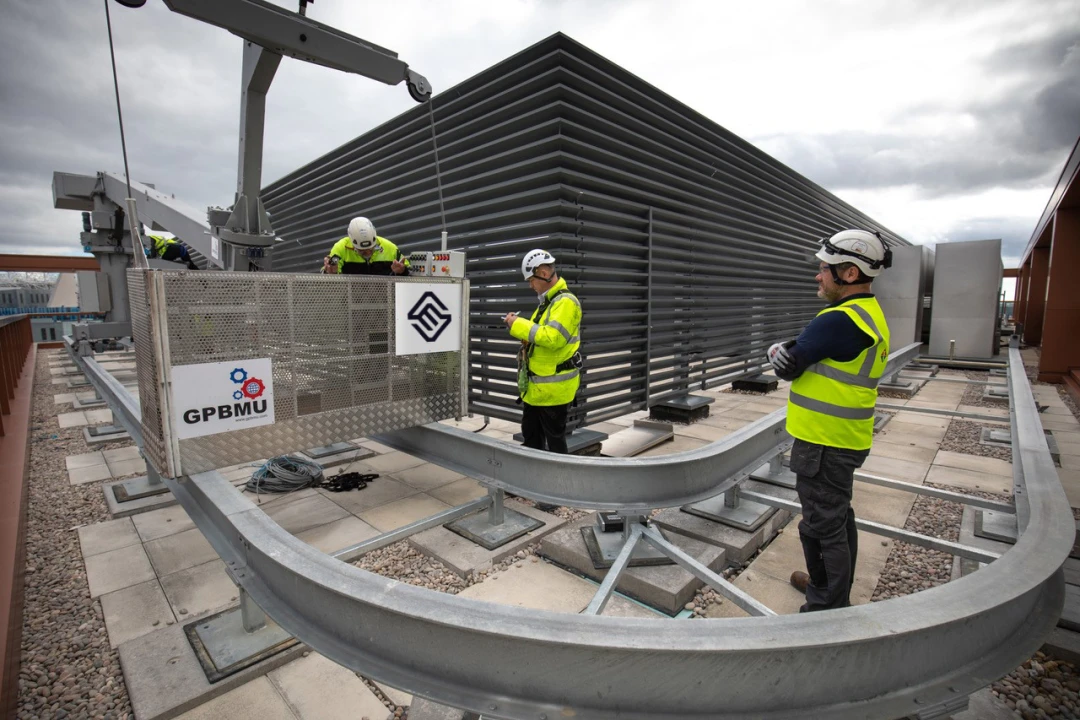
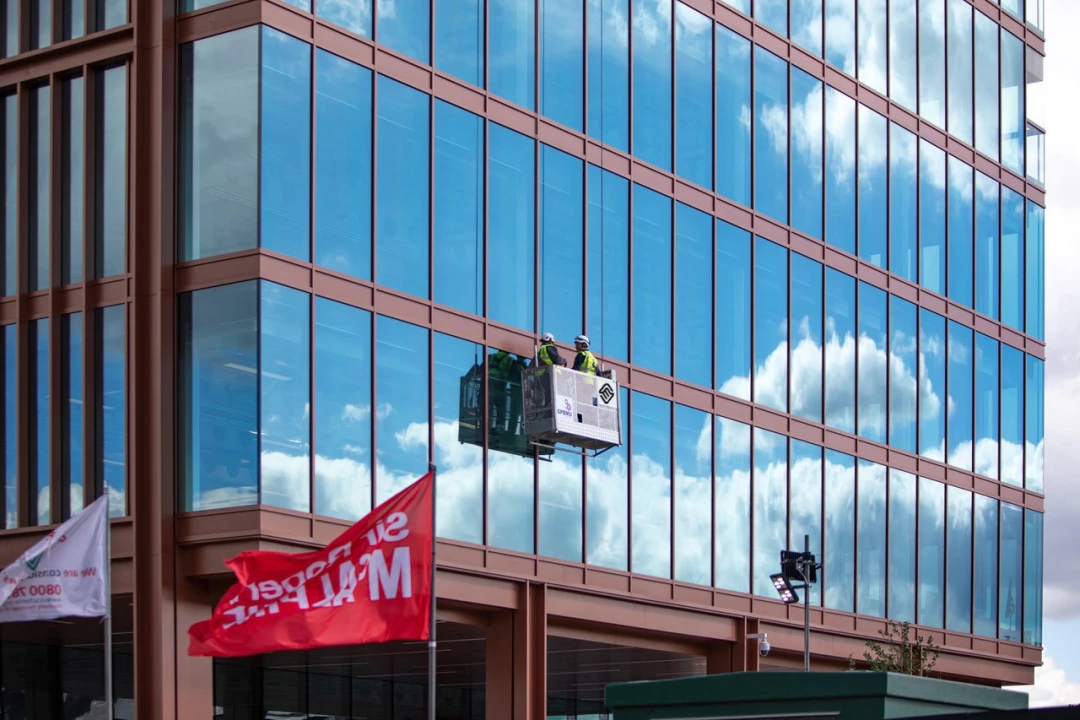
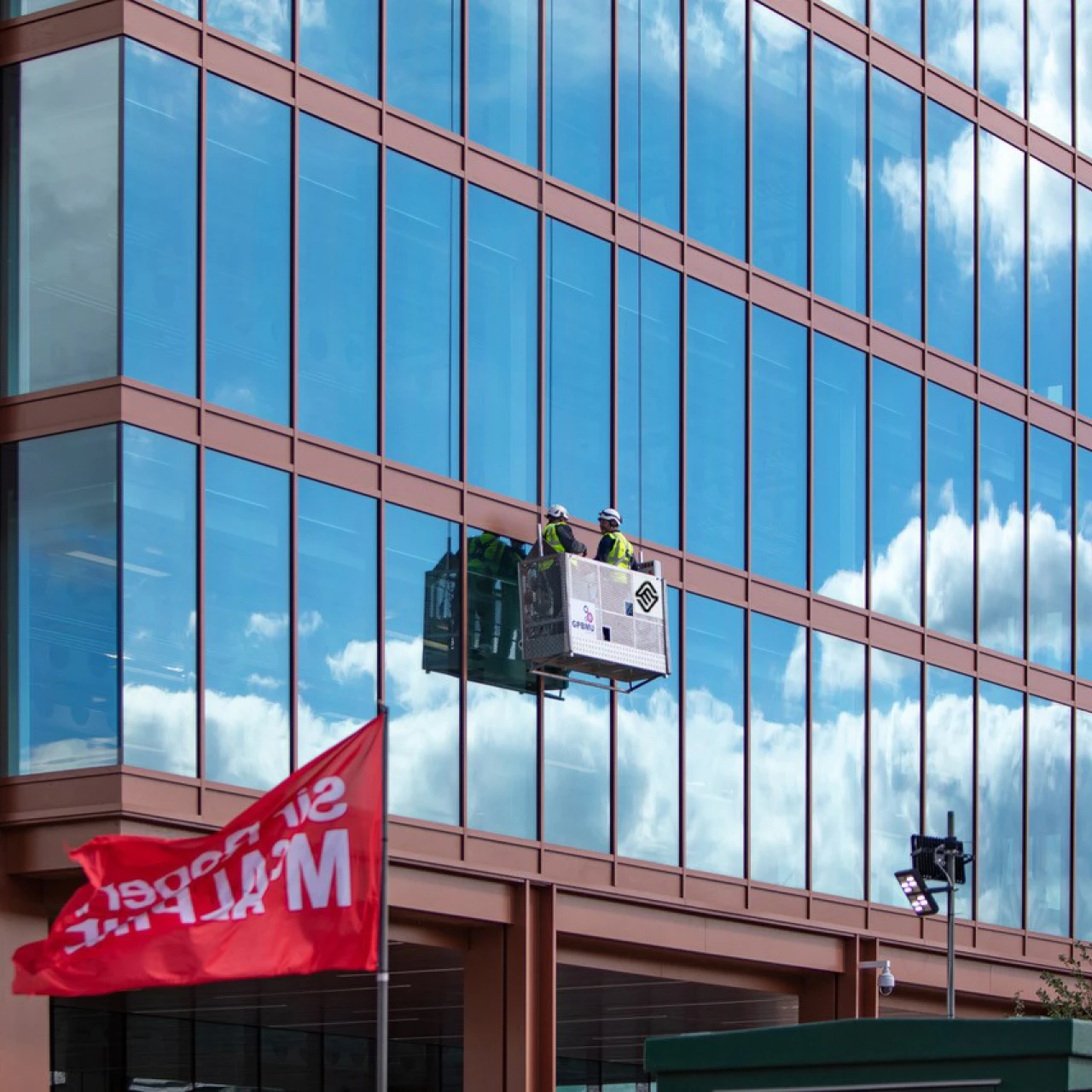
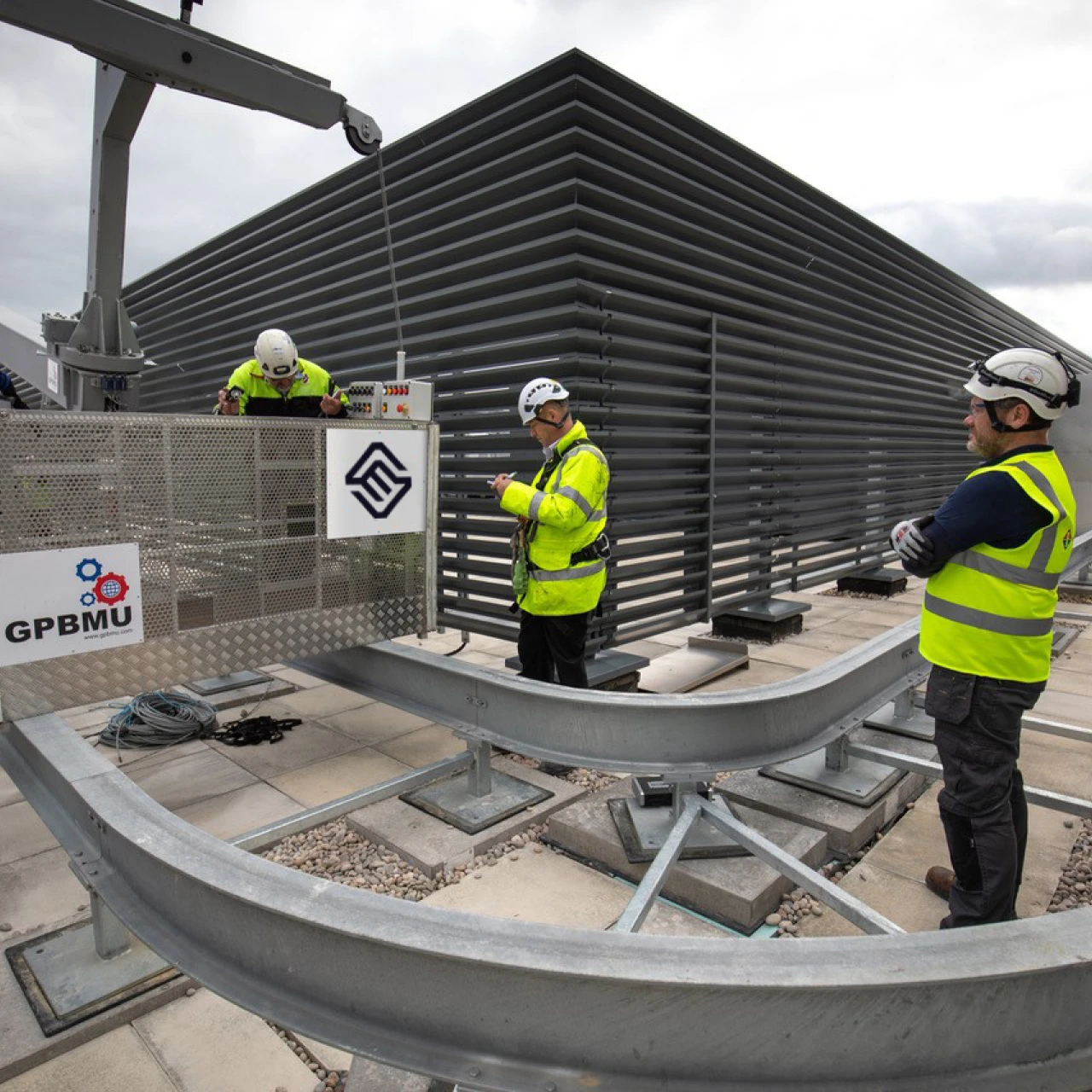
Often referred to as a window cleaning cradle, a gondola or a gantry, Building Maintenance Units (BMU) are a type of permanent mechanical access equipment generally installed on the building’s roof level that is operated manually, automatically or by remote control.
The BMU can be installed in a static location or on fixed or free-standing tracks, allowing the unit to traverse the full perimeter of the roof. From the main unit, a telescopic jib suspends a cradle or basket over the edge of the building that can be lowered or raised allowing access to all of the building’s façade for general maintenance, cleaning and repairs such as glazing and façade panel replacement.
Business responsibilities
The duty holder of a building has legal responsibility for ensuring that suspended access equipment under their care is:
Safe and fit for the purpose for which it was intended
Properly maintained and examined
Used by competent and adequately trained operatives
Eurosafe can help duty holders meet their legal obligations by providing a full testing and inspection solution individually tailored to minimise downtime and maximise the productivity of the cradle system.
Frequency of inspection
The testing and inspection of suspended access equipment is laid down under BS 6037-Part 1-2003 which states a quarterly regime as follows:
Month 1 – Inspection, thorough examination & load test
Month 3 – Inspection
Month 6 – Inspection & thorough examination
Month 9 – Inspection
LG3 inspections are being completed additionally every 10 years.
Frequently Asked Questions
A BMU (Building Maintenance Unit) cradle system is a permanent mechanical access solution installed at roof level. It allows safe access to a building’s façade for cleaning, inspection, maintenance, and repair work.
BMU systems are often referred to as window cleaning cradles, gondolas, or gantries. These terms all describe suspended access equipment used to reach external building elevations.
A BMU operates from roof level and can be installed in a fixed position or on tracks to move around the building perimeter. A telescopic jib extends from the unit to suspend a cradle or basket, which can be raised and lowered to access different areas of the façade.
BMU systems are used for façade access, including window cleaning, inspections, general maintenance, glazing replacement, and façade repairs. They are commonly installed on high-rise or complex buildings.
The duty holder - typically the building owner, employer, or facilities manager - is responsible for ensuring the BMU system is safe, properly maintained, regularly inspected, and operated by trained and competent personnel.
BMU systems are safety-critical as they suspend personnel at height. Regular inspection ensures the equipment remains safe, compliant with regulations, and fit for use, while reducing risk and preventing unexpected downtime.
Under BS 6037-Part 1-2003, BMU systems should follow a quarterly inspection regime:
Month 1 - Inspection, thorough examination and load test
Month 3 - Inspection
Month 6 - Inspection and thorough examination
Month 9 - Inspection
This cycle then repeats annually.
A BMU inspection typically includes visual checks, functional testing, assessment of mechanical and structural components, thorough examination, and load testing where required. This ensures the system is safe and operating correctly.
A thorough examination is a detailed assessment of the BMU system carried out by a competent person to confirm it is safe to remain in service. It forms a key part of the inspection regime.
Yes. Load testing is required as part of the inspection regime and is typically carried out during the month 1 inspection alongside a thorough examination.
An LG3 inspection is an additional in-depth inspection carried out every 10 years. It assesses the long-term condition and safety of the BMU system as part of lifecycle compliance.
Yes. Eurosafe provides a full testing and inspection service tailored to each system, helping duty holders meet legal obligations while minimising disruption and maximising system performance.