
- Inspection & Maintenance
- Fall Protection System and Eyebolt Test & Inspection
- Mansafe System Testing - Latchways ManSafe® Test & Inspection
Mansafe System Testing - Latchways ManSafe® Test & Inspection
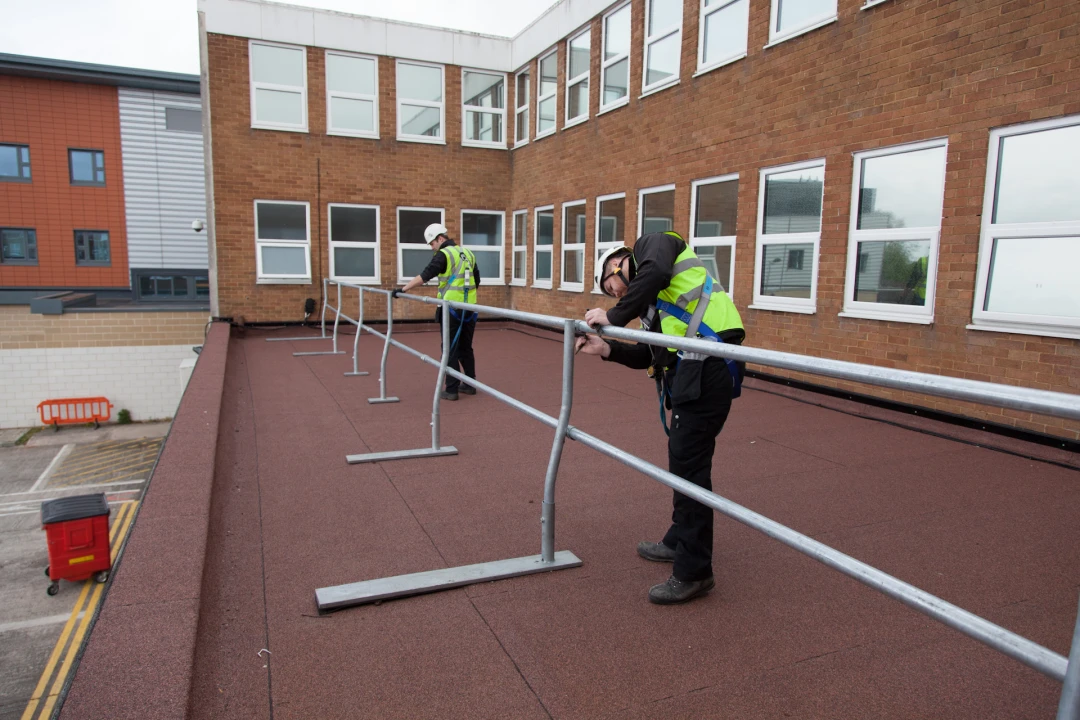
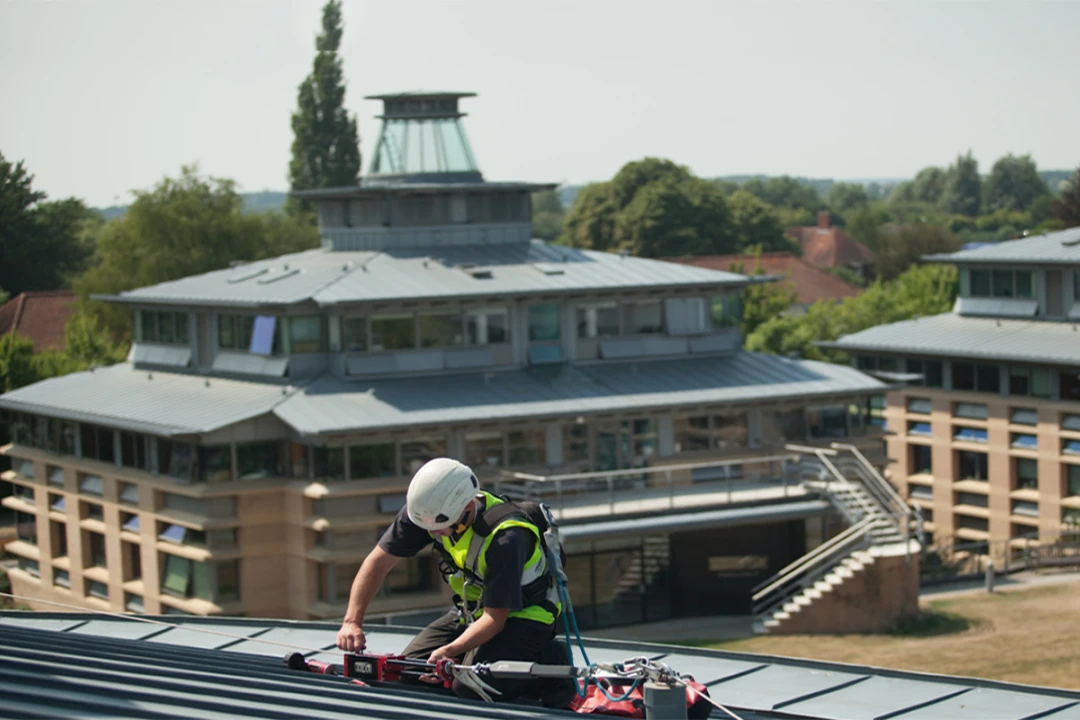
All types of fall arrest systems and fall restraint systems, also known as mansafe systems, need to be tested and inspected regularly to check for any faults and to ensure that the system is fit for purpose. At Eurosafe, we offer a nationwide mansafe system testing service and can tailor our offering to meet the needs of your portfolio.
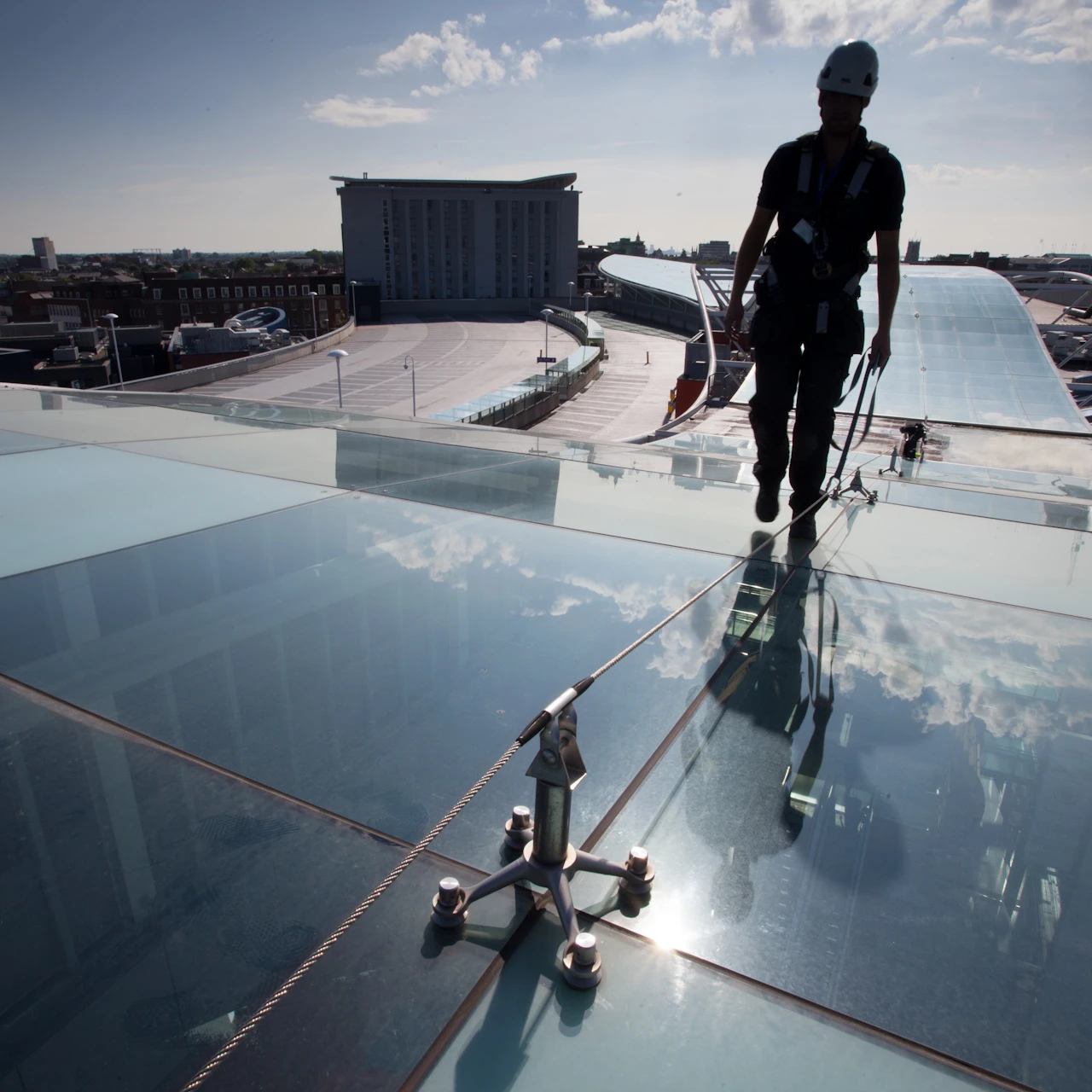
Mansafe systems can be designed for restraint purposes, (to prevent a fall from occurring) but must be able to take fall arrest loadings in accordance with EN795.
A mansafe fall protection system can be designed as either a fall restraint where the system is installed typically no less than 2m from the fall hazard, thus, the mansafe fall restraint user is restrained (as a would-be child in reins) or, as fall arrest where the user is exposed to the potential fall hazard – but the mansafe system would arrest the user if a fall occurred.
Frequency of inspection
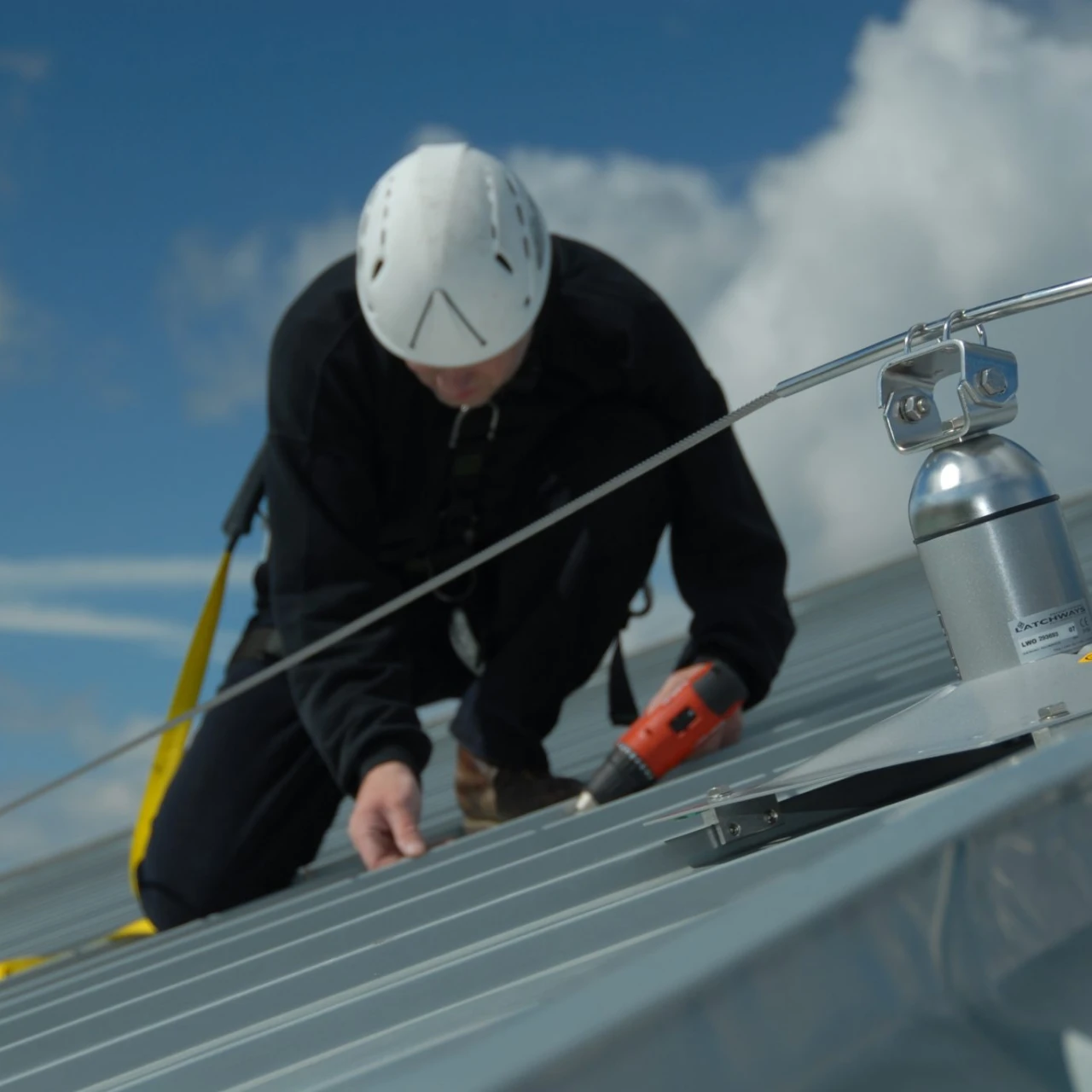
In accordance with BS EN 795 and BS EN 7883 as well as the manufacturer's guidance, mansafe systems should be inspected and tested at least every 12 months, and an independent risk assessment should be undertaken to determine if a more frequent visit is required.
It is stated in the WAHR: ‘Where work is carried out at height, every employer shall take suitable and sufficient measures to prevent, so far as is reasonably practicable, any person falling a distance liable to cause personal injury’ which is why it is so important that all mansafe testing, inspection, and certification of fall protection systems are carried out in accordance with current British Standards BS EN 795 and BS EN 7883.
We issue certificates of compliance to confirm that your system meets the required safety standards. In addition, we recommend keeping detailed records of all inspections, tests, and certifications, ensuring they are readily available for any regulatory review.
Maintaining compliance is essential for effective fall protection on site. Regular testing is the only way to keep systems operating at their best and to ensure ongoing safety for everyone working at height.
Frequently Asked Questions
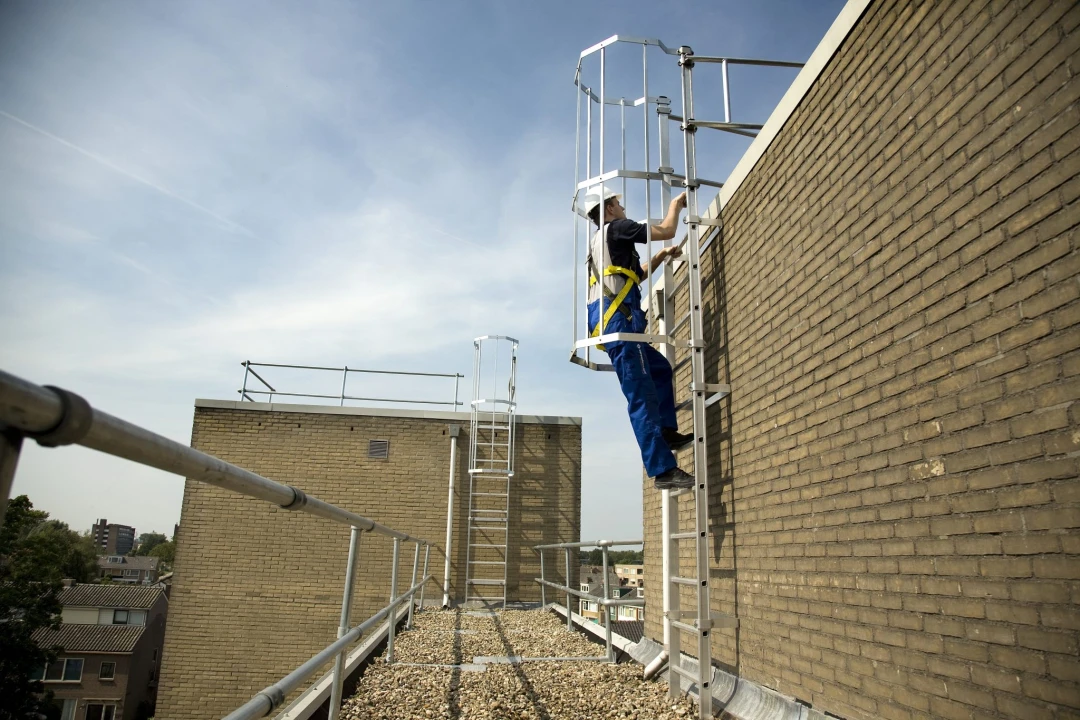
Latchways ManSafe® system is a horizontal safety line designed to keep people safe whilst working at a height. The word 'mansafe' is often used to describe different equipment such as eyebolts, guardrails, or ladders but is a specific brand name of Latchways for their horizontal fall protection systems. Latchways ManSafe® system allows safe access to operatives undertaking maintenance works.
There are many reasons as to why people need to access the roof of a building; sometimes for jobs that are as little as watering a sedum roof or collecting lost sports equipment from the roof of a school.
A mansafe system is vital whenever there is a requirement for people to be working at height. The purpose of a mansafe system is to protect the prevent workers should a fall occur.
Mansafe systems must be tested and recertified at least once every 12 months by a qualified height safety specialist. However, more frequent inspections may be necessary if the system has been modified, is used regularly, or is exposed to higher loads.
Load Testing: Replicates the forces experienced during a fall to evaluate how effectively the system can stop it. This process confirms the system’s strength and reliability under real-world conditions, helping ensure maximum safety and reassurance for those using it.
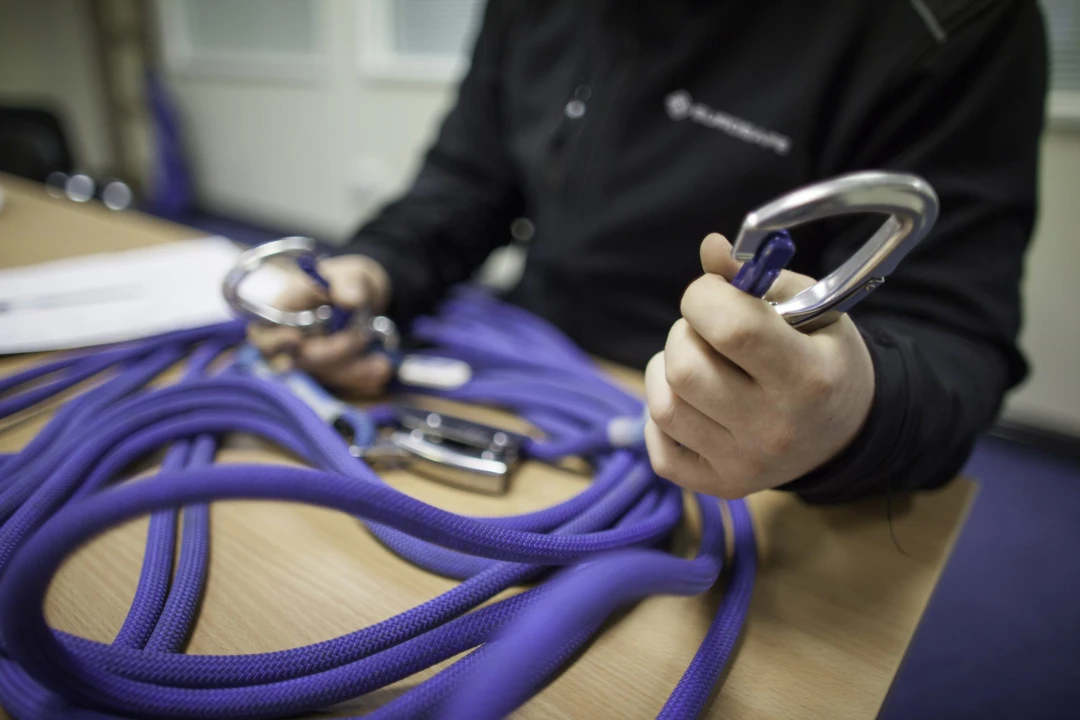
Visual Inspection: Carried out on a routine basis, this involves a detailed visual check of the entire mansafe system. It helps spot obvious issues such as corrosion, wear, damage, or loose components. During inspections, we also provide practical guidance so users understand what to check before and after each use.
Functional Testing: Tests the system in operation to confirm everything works as intended. This includes verifying that key elements - such as energy absorbers, connectors, and lifelines - engage correctly to maintain a high level of protection for users.
If you spot even a minor issue with a mansafe system, it’s important to act straight away. The system should be removed from service immediately, clearly labelled with a “do not use” notice, and a qualified team contacted without delay.
Issues that may seem small can quickly escalate into serious safety risks when working at height. Having an experienced professional assess, test, and repair the system ensures it is safe and fully compliant before being brought back into use.
Request free quotation
Fill in the form below to request your free, no-obligation Mansafe system inspection quotation.