
- Training & Education
- Training Courses
- Confined Space Training
Confined Space Training
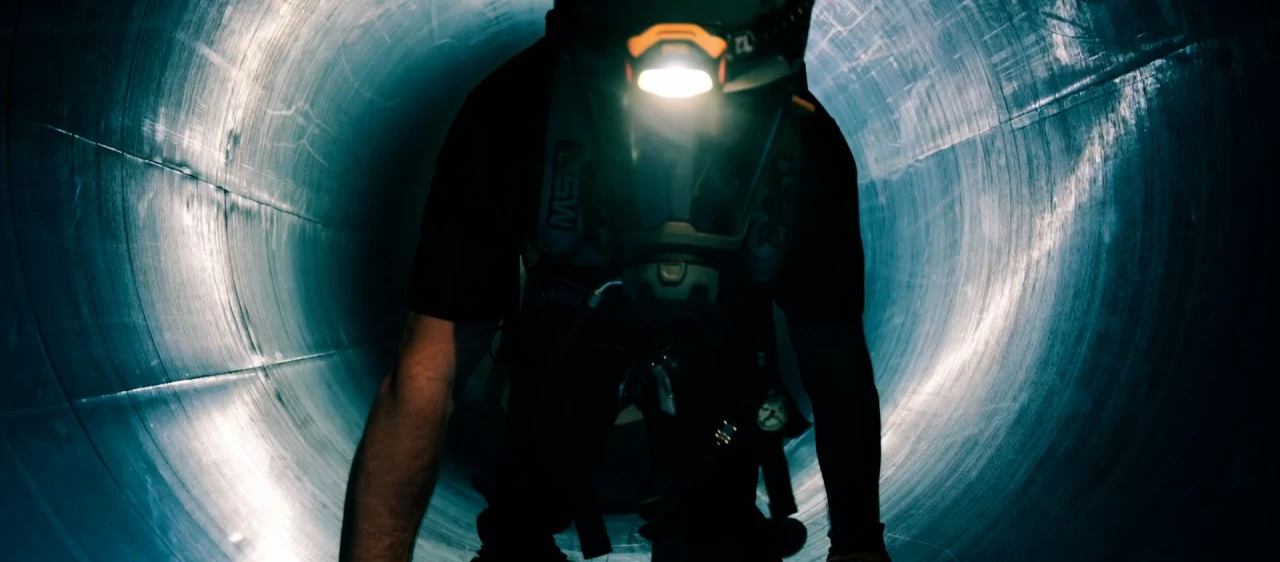
Working in confined spaces can expose people to serious and potentially life-threatening hazards. Eurosafe provides a comprehensive range of confined space training courses designed to give individuals the knowledge, practical skills and competence needed to enter, work in and manage confined spaces safely.
Our accredited and specialist training covers different levels of confined space work, from entry and safe working practices through to rescue and recovery. Training forms part of the wider Safety Circle®, supporting organisations with an integrated approach to confined space safety, including consultancy, risk assessment, PPE, training and ongoing compliance.
Eurosafe Confined Space Training Programmes
Eurosafe delivers a comprehensive range of accredited and specialist confined space courses for personnel working in, supervising or managing confined space activities.
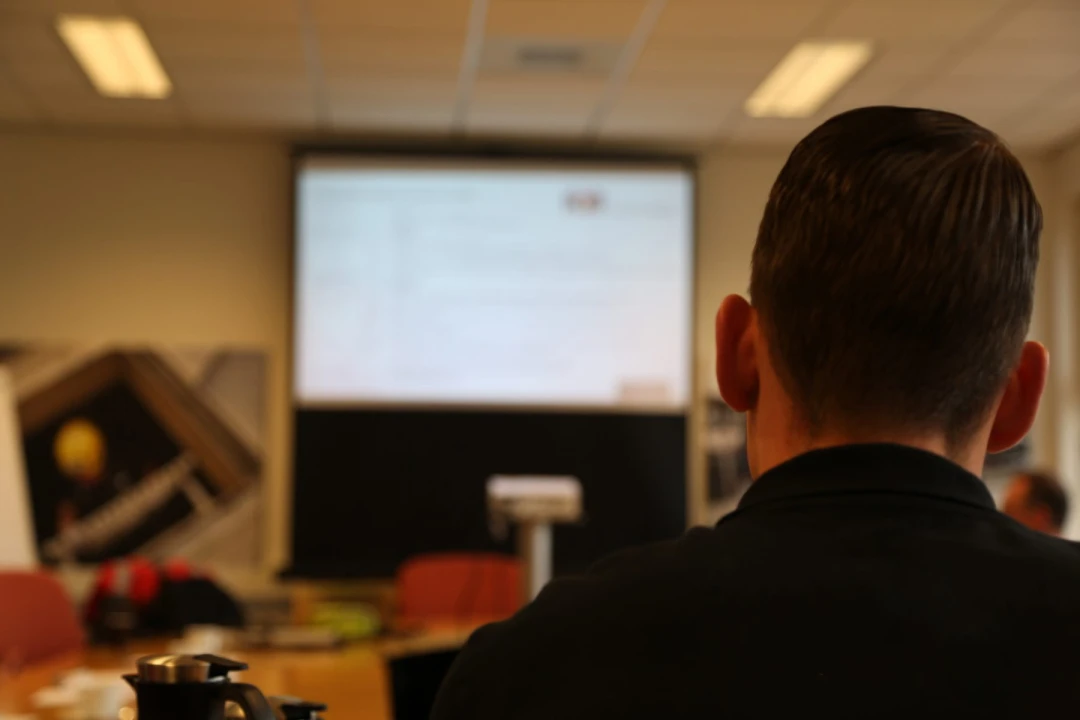
Our programmes combine theoretical knowledge with practical, hands-on training, allowing delegates to apply safe working procedures in realistic confined space environments under the guidance of experienced instructors.
Depending on the course selected, training can cover areas including:
Confined space hazards and risk assessment
Safe entry and working procedures
Gas detection and atmospheric monitoring
Personal protective equipment (PPE)
Breathing apparatus
Access and egress
Emergency procedures
Rescue and recovery
Casualty extraction
Our training portfolio includes City & Guilds accredited courses, alongside specialist training designed to meet different workplace requirements.
Browse our courses below or download our training brochure to explore the full range of confined space training available.
Confined Space Permit Writers (CSPW)
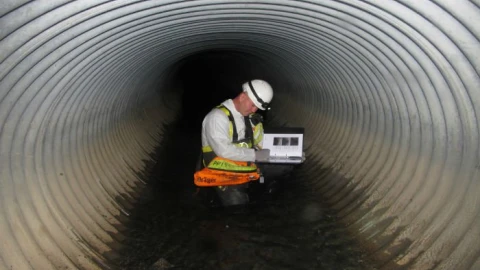
This course is for managers, supervisors, or others who will have responsibilities for reviewing and issuing permits for confined space entries.
Confined Space Management Awareness (CSMA)
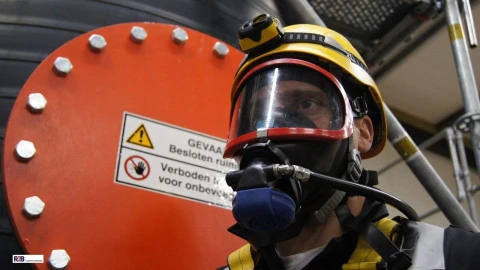
This course is designed to enable those attending to be aware and understand the legal requirements for managing confined space work in the UK.
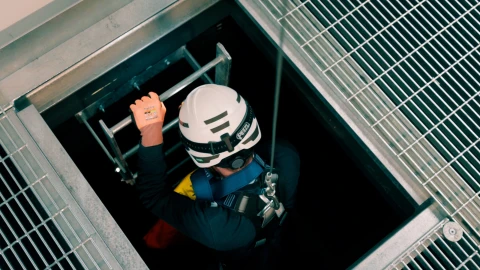
Confined Space Entry: Low Risk (CSC01)
This course is about entering and working in low risk environments with adequate natural or mechanical ventilation.
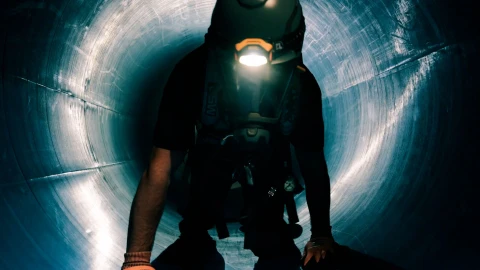
Confined Space Entry: Medium Risk & Entry Controller (CSC09)
This course is about working in confined space environments where there is a reasonably foreseeable chance that a specified risk may be present.
Confined Space Entry: Medium Risk – Refresher (CSC09R)
This course is about refreshing and reassessing the previously attained knowledge of working in confined space environments where there is a medium risk that a specified hazard may be present.
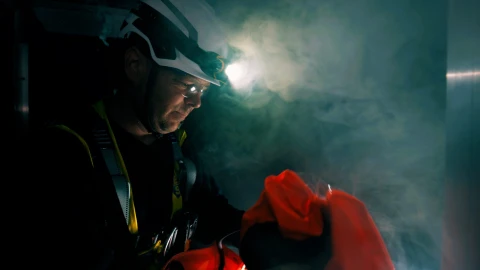
Confined Space Entry: High Risk (CSC03)
This course is about working in confined space environments that have non-standard entries and which, in consequence, makes rescue difficult.
Confined Space Entry: High Risk – Refresher (CSC03R)
This course is about refreshing and reassessing the previously attained knowledge of working in confined space environments which have non-standard entries and which, in consequence, makes rescue difficult.
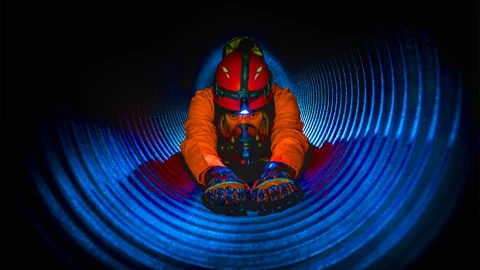
Confined Space Entry: High Risk Control Entry & Arrangements (CSC04)
This course is for the entry controller who controls entry and arrangements for confined spaces without entering them.
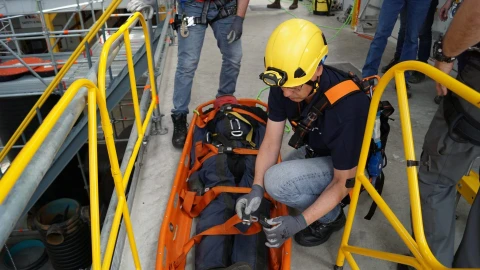
Working as a Member of a Confined Space Rescue and Recovery Team (CSCRT08)
The aim of the course is to educate delegates in realistic work situations where rescue and recovery of personnel is required.
Workplace Rescue & Recovery (WRRT02)
This course is for personnel involved in the extraction of a casualty from a non-atmospheric related incident from above, below or on ground level; or who form part of the site rescue team.
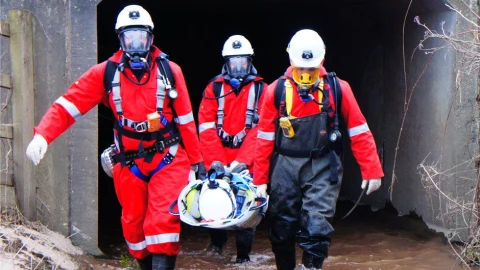
Confined Space Direct Emergency Rescue & Recovery of Casualties (CSC07)
This course is for anyone who directs the activities of a team for rescue or recovery in confined spaces.
Basic Casualty Extraction (BCE01)
This course provides essential training for employees in workplaces on how to safely and effectively extract casualties in the event of an emergency.
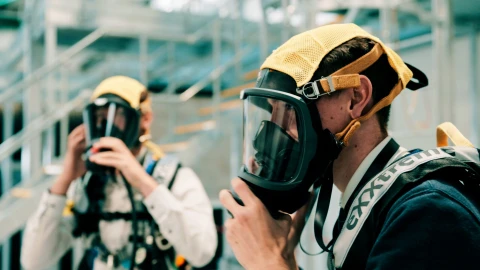
Confined Spaces: Breathing Apparatus User Training (BAU01)
This course is aimed at anyone working in environments where they may be in the presence of a harmful or oxygen deficient atmosphere that would require you to wear full respiratory protection.
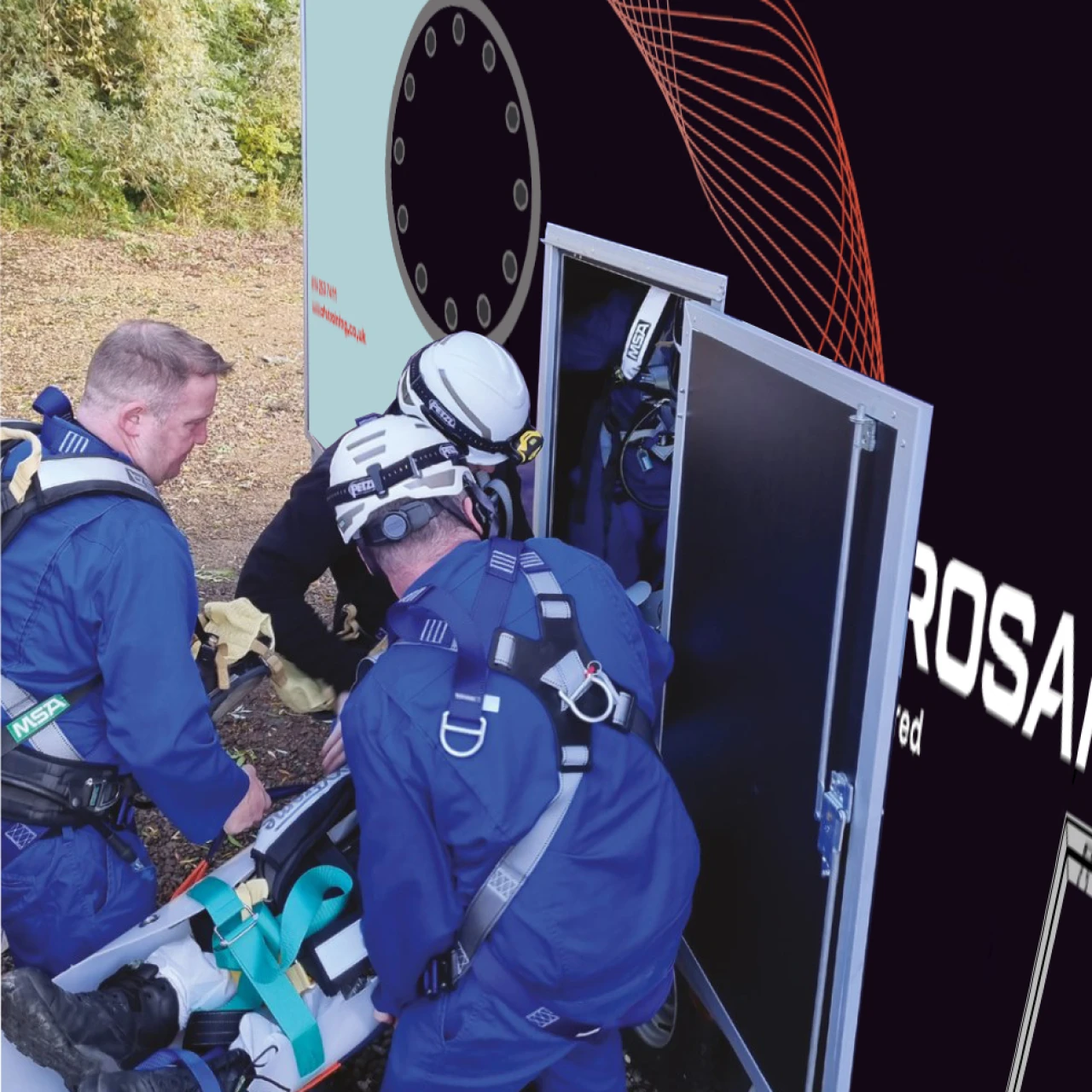
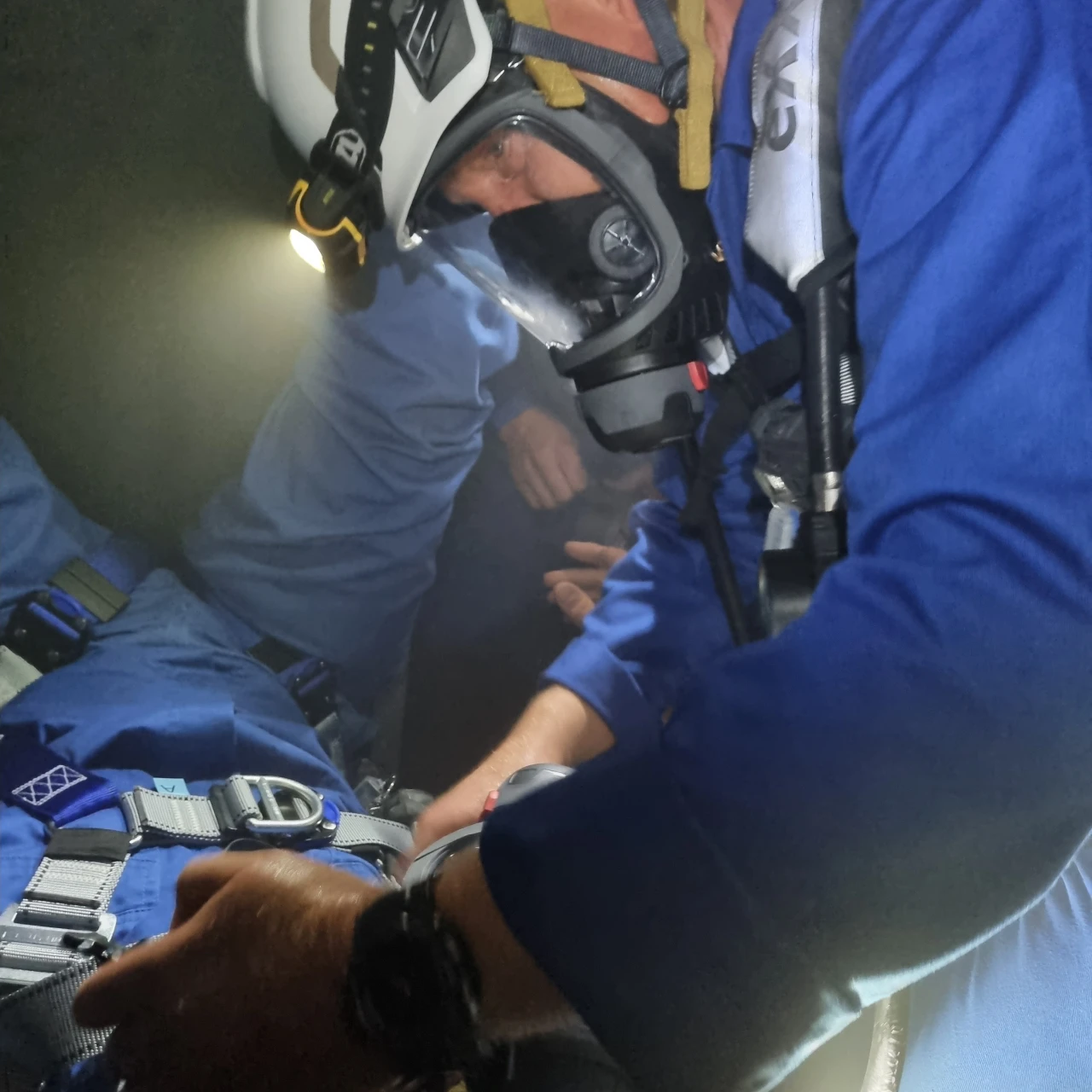
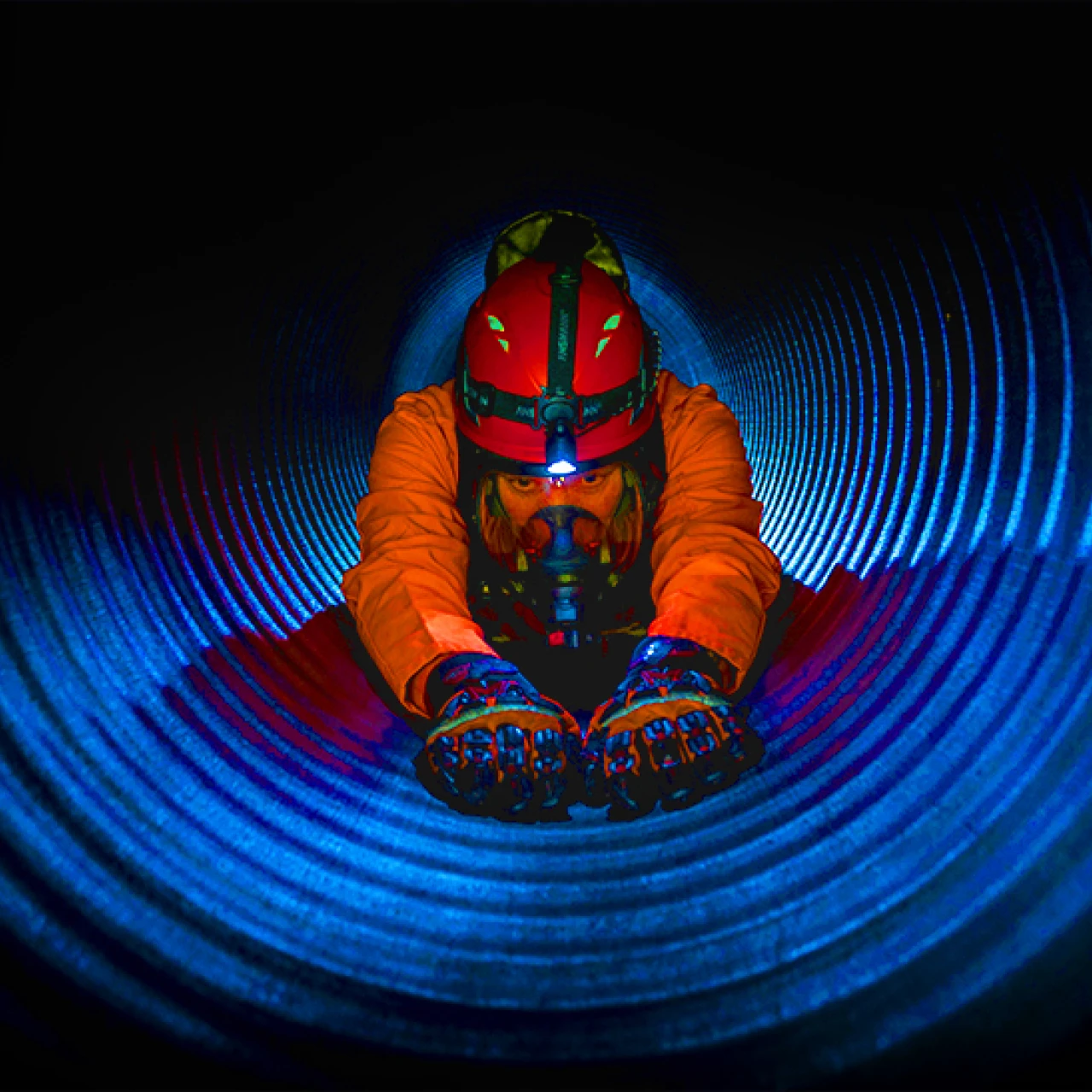
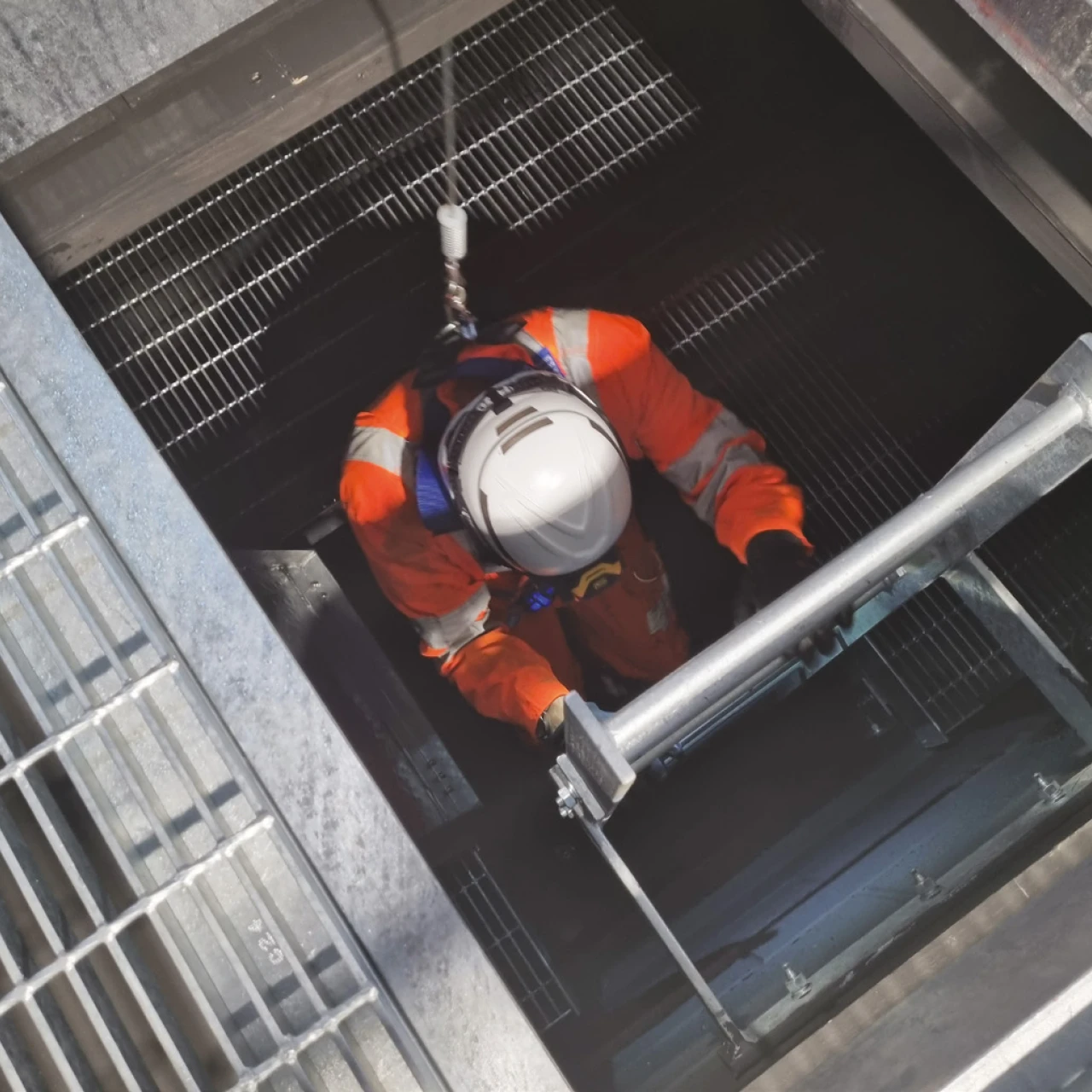
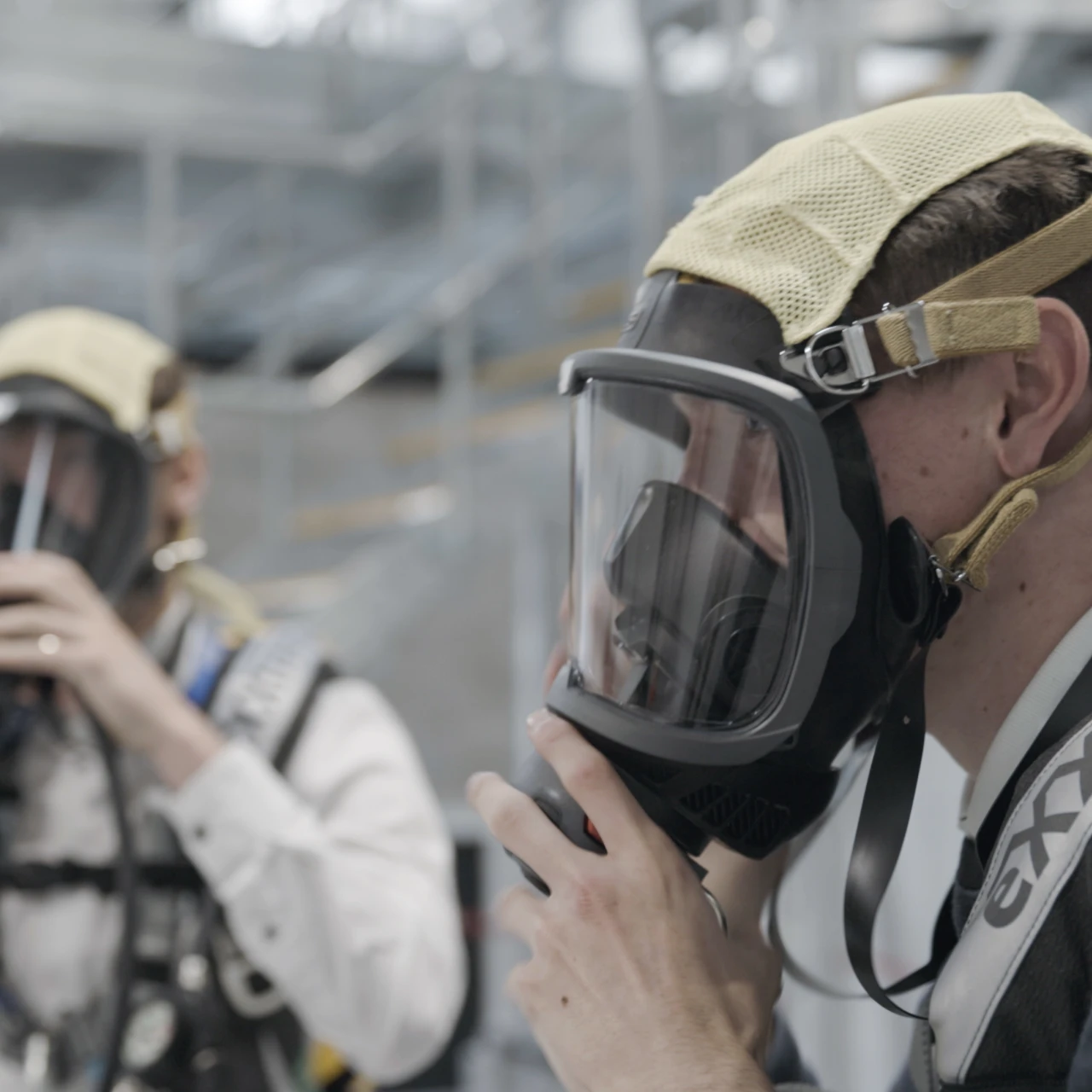
Practical Training at Our Centres or Your Site
Confined space training can be delivered at our purpose-built Training Academy with training centres in Sheffield and Kent, where realistic training environments allow delegates to develop practical skills and experience scenarios that reflect the challenges they may encounter in the workplace.
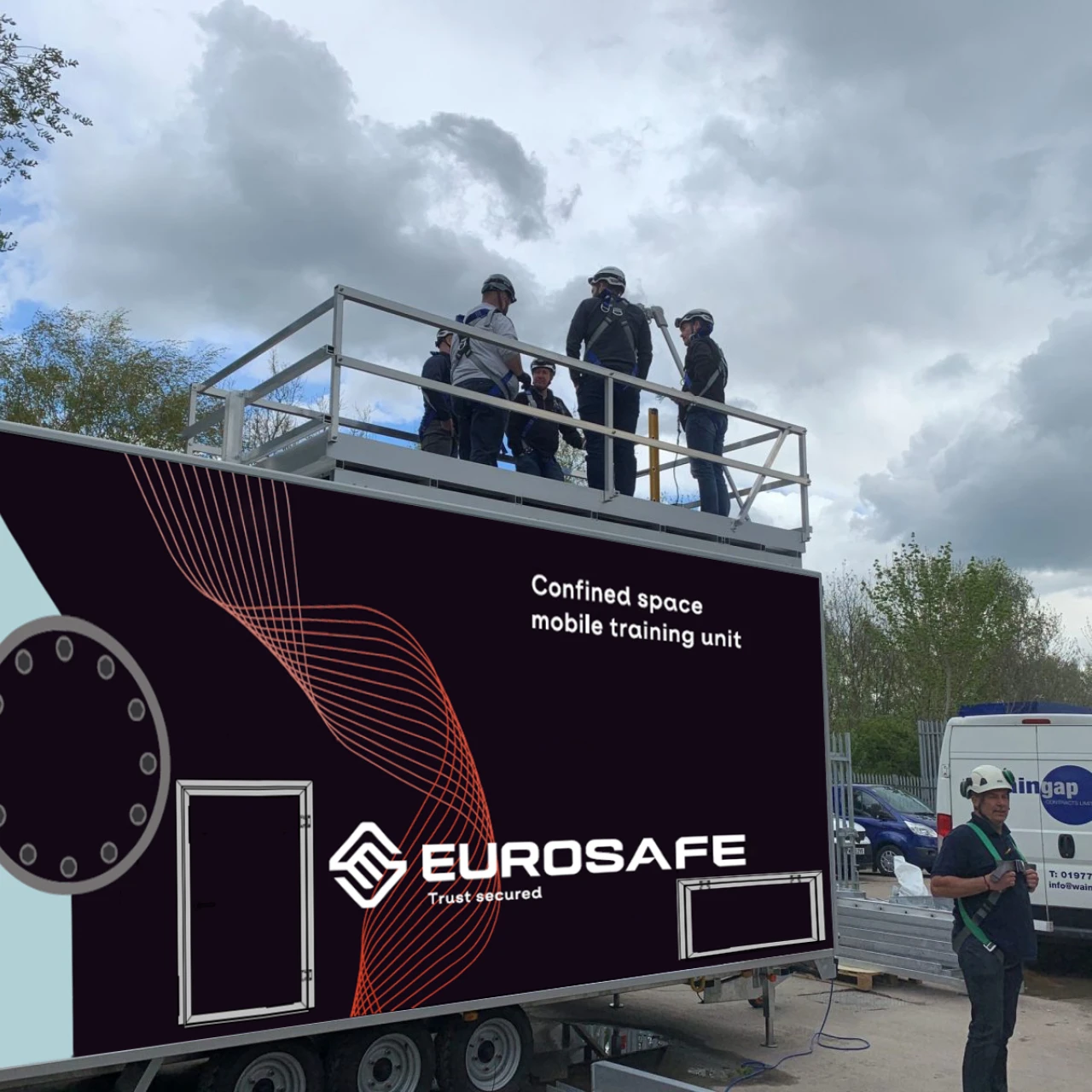
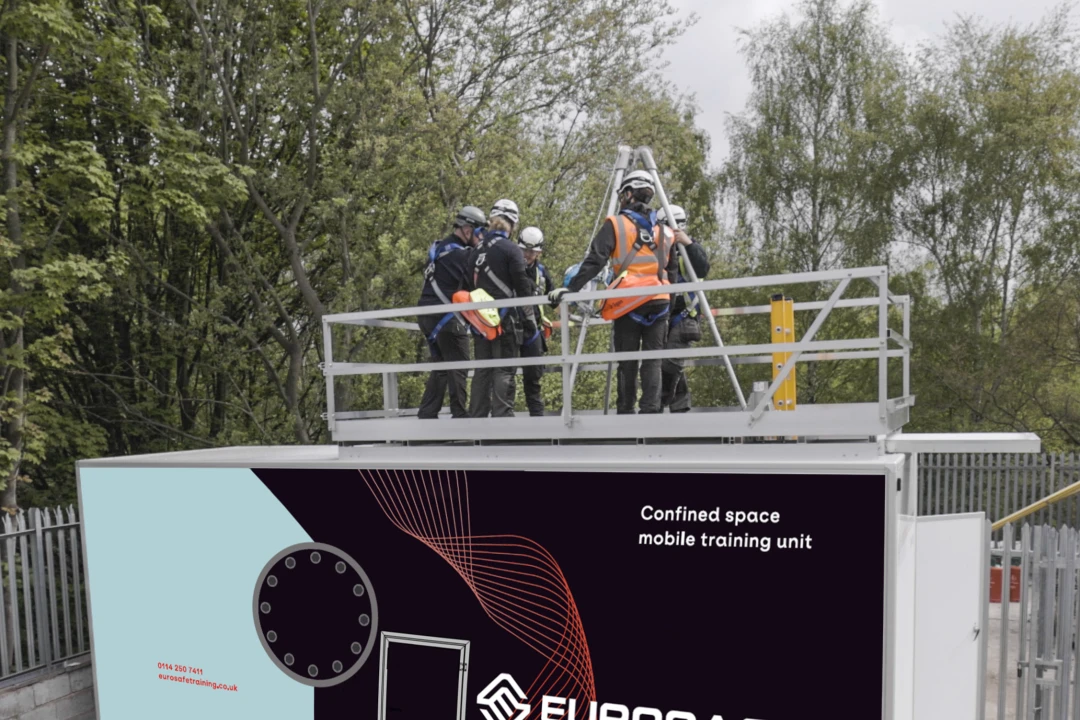
For organisations that need training delivered at their own premises, our Mobile Training Units enable many of our confined space courses to be delivered on-site across the UK, reducing travel requirements and making it easier to train groups of employees at their location.
Browse our confined space training courses below to find the appropriate level of training for you or your team. Available course dates can be booked online to secure your place.
Not sure what level of confined space training your personnel require? Our Confined Space Consultancy & Audit services can assess your working environment and help identify appropriate training, PPE and confined space safety requirements.
Learn more about
Why Confined Space Training is Essential
Confined spaces can present a range of hazards, including hazardous atmospheres, oxygen deficiency, fire and explosion, flooding, restricted access and difficulties with emergency evacuation and rescue.
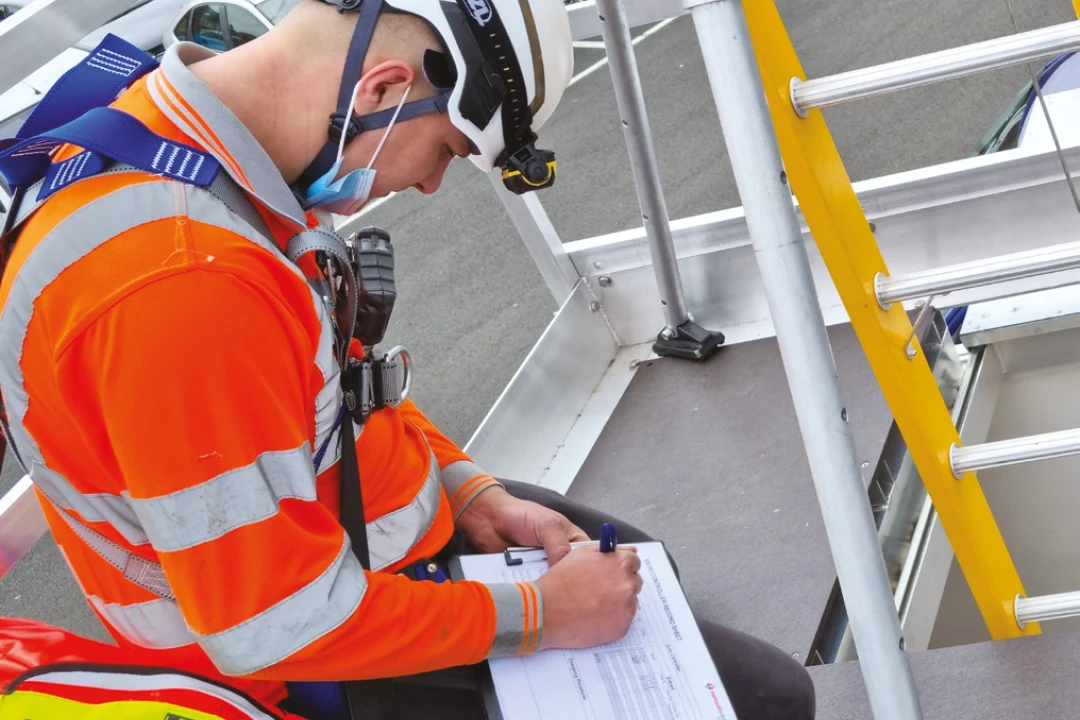
Employers must ensure that anyone required to work in a confined space has appropriate information, instruction and training for the work they are expected to undertake. Training should reflect the hazards, level of risk, working methods and emergency arrangements associated with the specific activity.
Effective confined space training helps individuals understand these hazards, assess and control risks, use appropriate equipment correctly and follow safe systems of work.
It also helps personnel understand what to do if something goes wrong. Emergency planning, rescue procedures and the correct use of rescue equipment are critical considerations when managing confined space work.
FAQs
The Confined Space Regulations 1997 state: A ‘confined space’ means any place, including any chamber, tank, vat, silo, pit, trench, pipe, sewer, flue, well or other similar space in which, by virtue of its enclosed nature, there arises a reasonably foreseeable specified risk.
Not sure if you have confined spaces on your premises? Book our confined space consultancy & audit services to assess your site and identify confined space training and PPE requirements.
Every situation is different and therefore requires a specific approach. Risks vary per confined space. Some of the most common risks are:
Risk of serious injury to any person arising from fire or explosion
Loss of consciousness to any person arising from:
Increase in body temperature or
loss of consciousness or asphyxiation arising from gas and fumes or vapour, or a lack of oxygen.
Drowning of any person from an increased level of the liquid
Asphyxiation of any person from a free-flowing solid or inability to reach respirtable atmosphere
These specified risks may not be present during your initial risk assessment but you may wish to consider: Will the work to be done in the space introduce one or more of these risks? If your answer is YES then you will have a confined space.
Working in a confined space has many foreseeable risks and adequate training on how to enter a confined space and work in a confined space is a requirement of the Confined Spaces Regulations 1997. There is a difference between confined space health and safety awareness training and skills training on how to work in a substantially enclosed space that may have a lack of oxygen, free-flowing solids and other hazardous substances.
An employer, as a minimum, MUST make employees aware of the dangers of working in a confined space provide adequate training on the foreseeable risks and carry out a risk assessment that details a safe system of work.
As well as receiving the correct training, workers should be regularly appraised and receive training refreshers to ensure that your skills and knowledge remain current and effective in maintaining safety standards. Over time, safety protocols and regulations can change, and regular refresher training helps you stay updated on the latest best practices. Additionally, it reinforces critical safety procedures and correct use of equipment, reducing the risk of accidents and injuries in confined spaces. Regular training also helps identify and address any gaps in knowledge or skills that may have developed since the initial training, ensuring a consistently high level of safety awareness and competence.