
- Knowledge Base
- Blog
- The importance of a working at height rescue
The importance of a working at height rescue plan
Auteur: Steve Wood
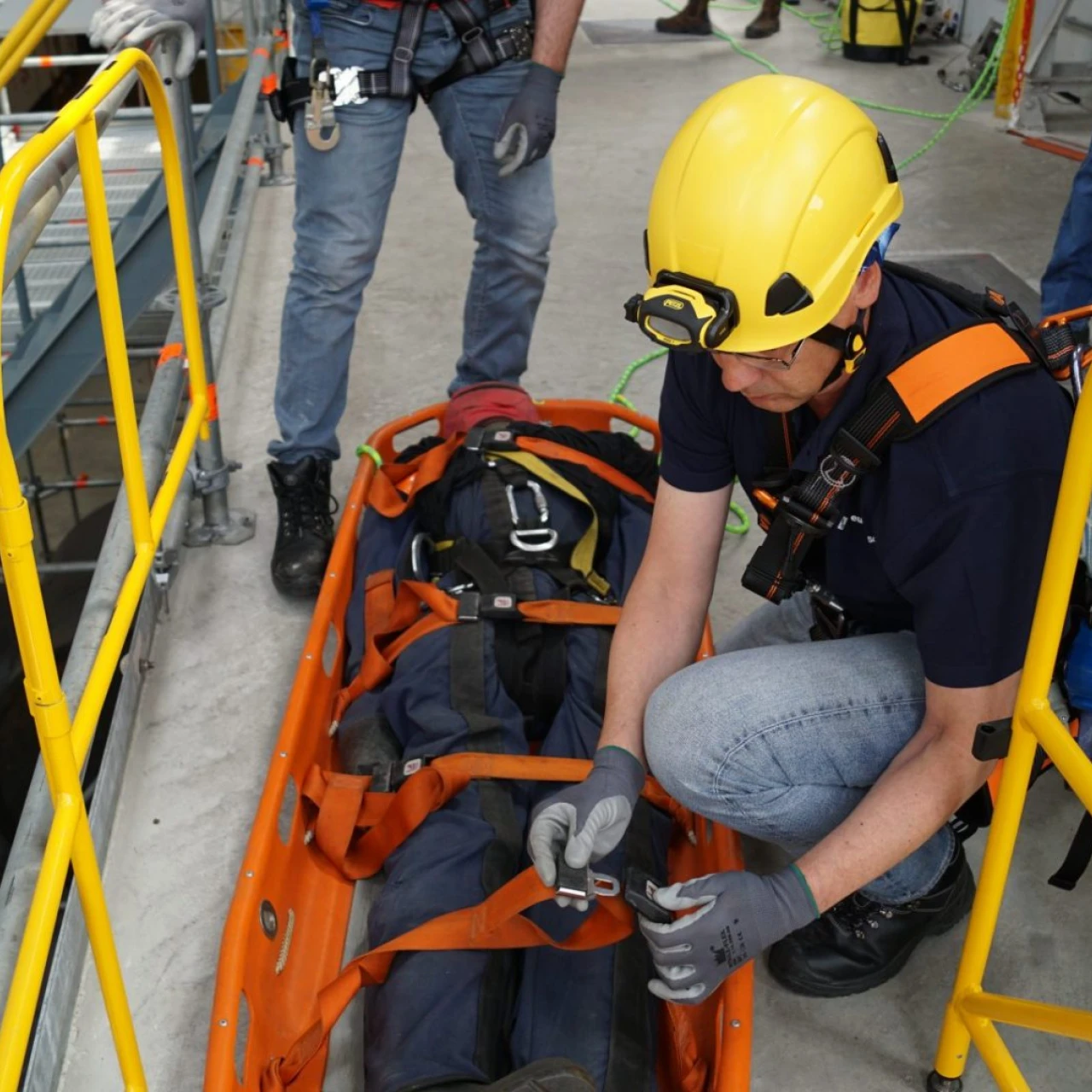
If an employee is working at height where a fall could result in personal injury, the work must be properly planned, including consideration of suitable emergency and rescue procedures. Where a fall arrest system is being used, a working at height rescue plan should set out how a worker would be safely recovered following a fall. HSE guidance states that it is not acceptable to rely solely on the emergency services for rescue arrangements.
The employer, or other person responsible for the work, should ensure that appropriate rescue arrangements are in place before work begins. The plan should reflect the specific work environment and foreseeable risks, including the type of fall protection equipment being used, access to the casualty, available rescue equipment and the competence of those carrying out the rescue.
A rescue plan should also be reviewed whenever the work conditions, equipment or risks change. Those involved should understand their responsibilities and know how the rescue procedure will be put into practice in an emergency.
Planning for Rescue at Height
When employees work at heights or use fall arrest systems, employers or building owners are legally obligated to have a rescue plan. This plan ensures prompt retrieval in case of a fall.
A specific rescue plan and adequate resources must be available for every individual working at height on-site. Regular assessments and updates are necessary.
Do you provide sufficient training time for the onsite Rescue Team? Mere compliance won’t sustain their competence. The initial actions during emergencies are crucial, potentially life-saving, and require continuous preparedness.
Developing an emergency plan is paramount to protect employees, contractors, and visitors. Early actions and warnings play a vital role in minimizing damage and ensuring resilience.
As an employer, you need to consider adhering to the BS 8437:2005 Code of Practice (11.4.2. a), page 75.
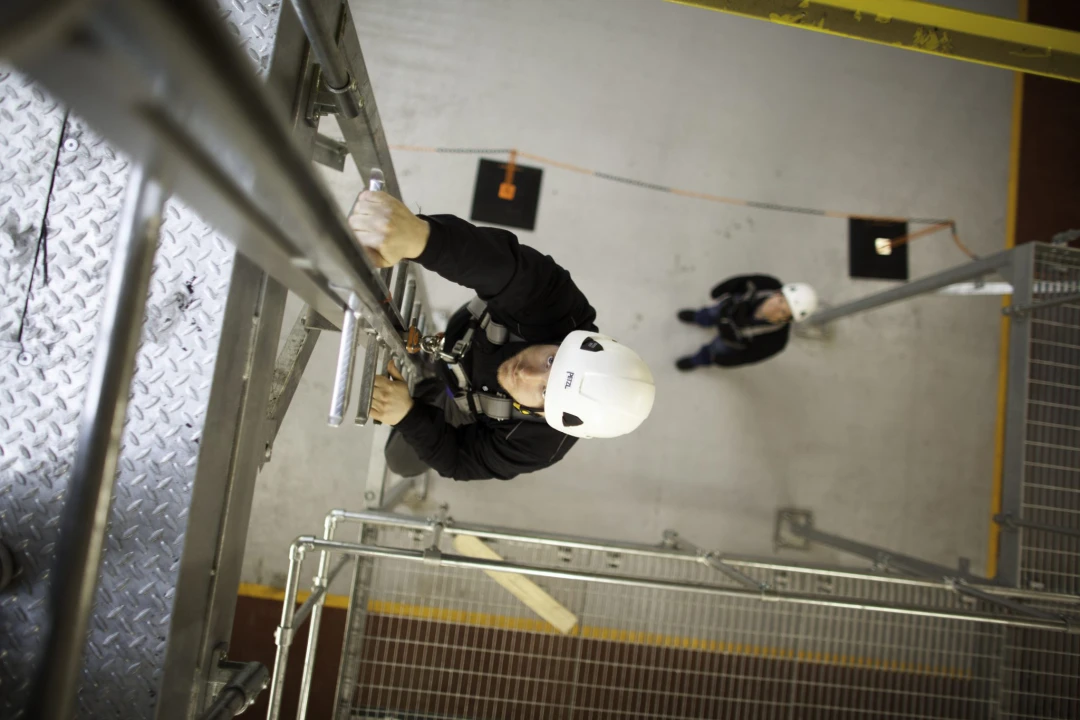
Rescues may be necessary in diverse scenarios - working with ladders, on roofs, scaffolds, or even below ground - in both hazardous and non-hazardous environments.
Have you devised safe methods for retrieving individuals from these situations?
Have you outlined proper decontamination procedures for Rescuers after attending to hazardous situations?
If you require guidance, training, or assistance on any of these crucial safety aspects, feel free to contact Eurosafe. We are committed to working with you to ensure safety standards are met.
Working at Height Training
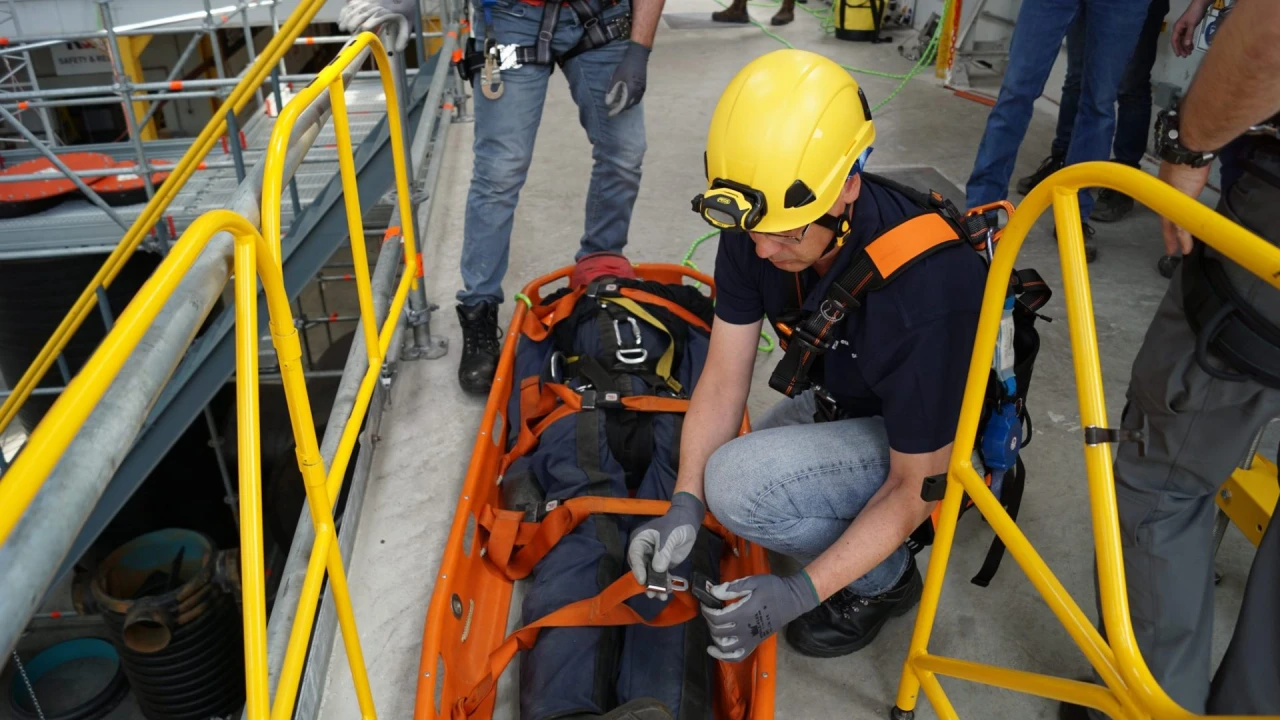
Our Working at Height Training courses help comply with the Work at Height Regulations 2005 by providing employers and employees with the vital information needed to competently deal with risks associated with working at height and provide them with a range of control measures to mitigate them.
Learn more about...



For more information about this topic please contact...
Steve Wood
Lead Technical Trainer