
- Knowledge Base
- Blog
- EN 397:2025 - What the new industrial helmet standard means for work at height
EN 397:2025 - What the New Industrial Helmet Standard Means for Work at Height
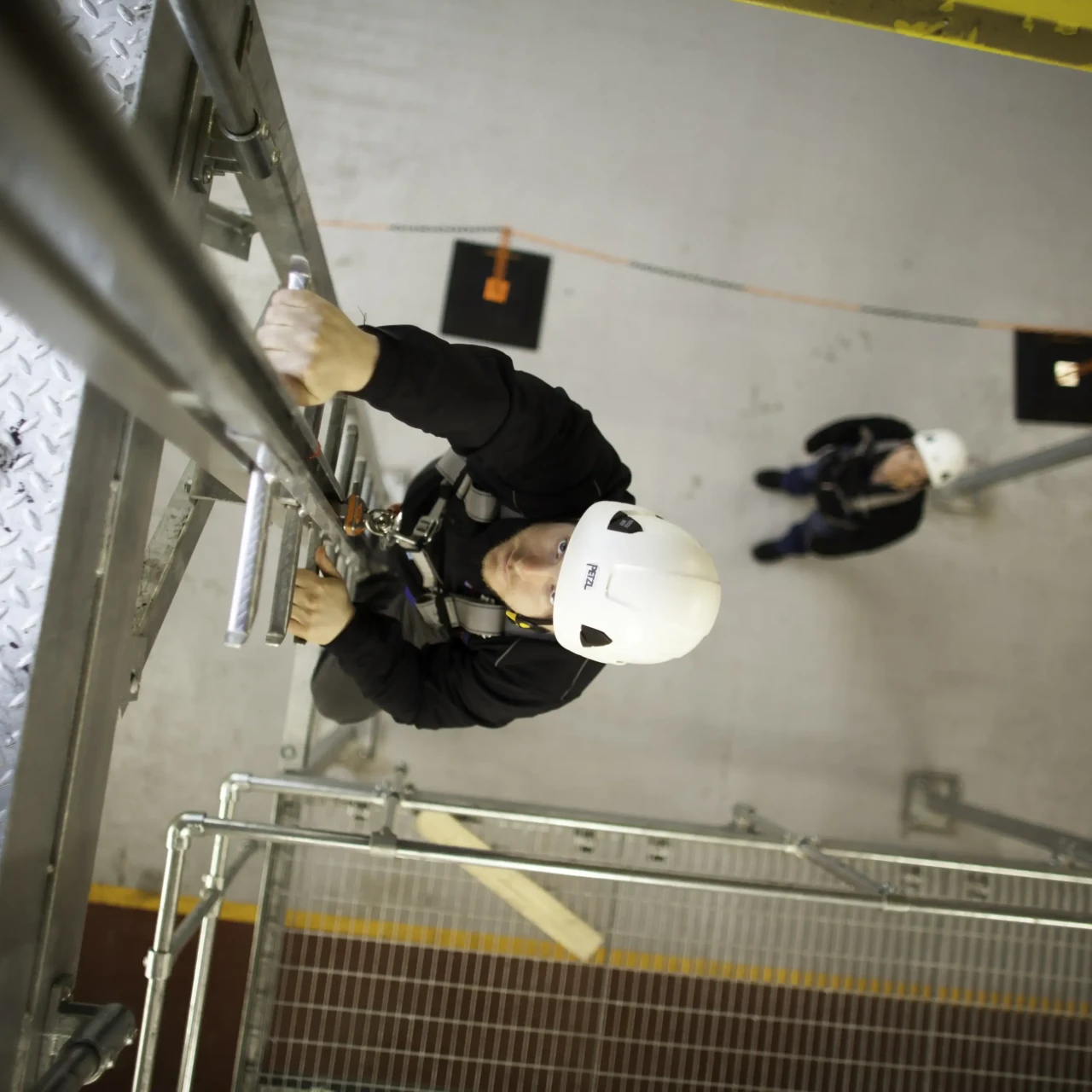
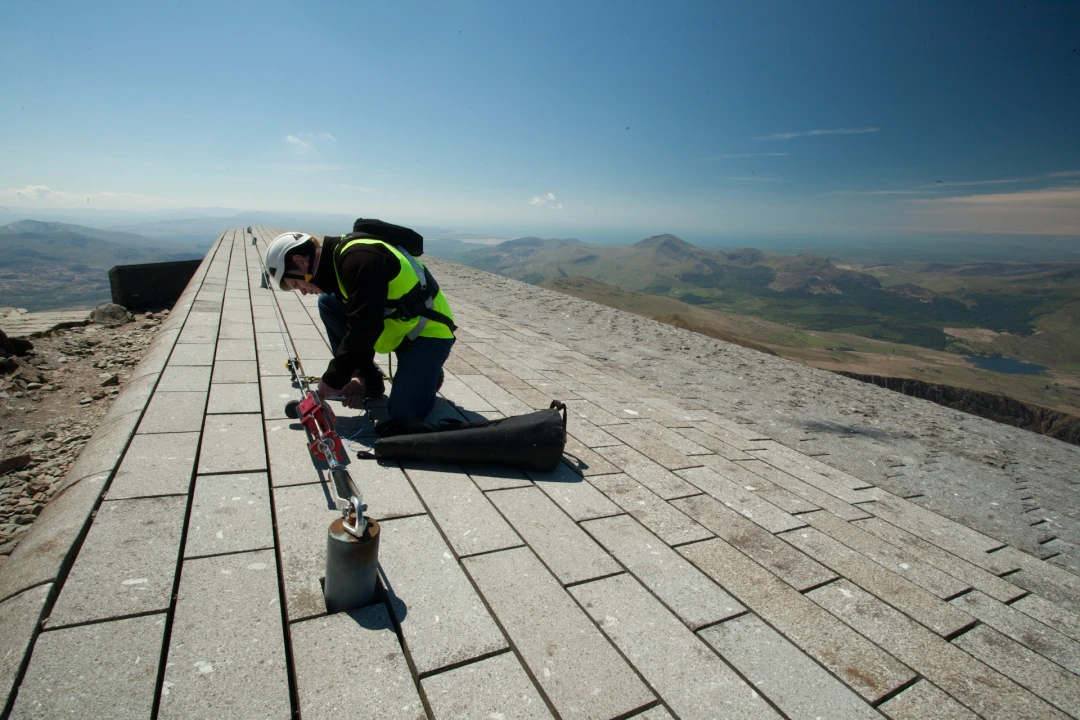
For decades, industrial safety helmets have been designed primarily to protect workers from falling objects. However, modern work environments have evolved. Whether working on scaffolding, access platforms, rope access systems, telecom towers, or industrial structures, today's workers face impact risks from multiple directions - not just from above.
Recognising this, the latest revision of the industrial helmet standard, EN 397:2025, introduces significant changes to how industrial helmets are classified and tested.
The new standard introduces two distinct helmet categories: Type 1 and Type 2. While this may seem like a simple change in terminology, it represents a fundamental shift in how organisations should assess head protection risks.
Why Was EN 397 Updated?
Traditional industrial helmets have historically focused on protecting workers against vertical impacts, such as tools, materials, or debris falling onto the crown of the head.
While this remains a critical hazard, many workplace incidents involve workers striking fixed structures, equipment, or surfaces during slips, trips, falls, or sudden movements.
The key question is no longer simply:
"What might hit the helmet?"
It is increasingly:
"How might the wearer hit something?"
This broader approach to risk assessment is reflected throughout EN 397:2025.
Understanding Type 1 Helmets
Type 1 helmets are the direct successor to the traditional industrial hard hat.
They are designed primarily to provide protection against on-crown impacts - impacts that occur on the top of the helmet.
Under EN 397:2025, Type 1 helmets are tested for:
Shock Absorption
A 5kg hemispherical striker impacts the top of the helmet at a velocity of 4.43 m/s, creating approximately 49 Joules of impact energy.
To pass the test, the force transmitted to the test headform must remain below 5kN.
Penetration Resistance
A 3kg pointed striker is dropped onto the crown area of the helmet, generating approximately 29 Joules of impact energy.
The striker must not make contact with the headform beneath the helmet.
For many conventional construction and industrial environments where the primary risk comes from falling objects, Type 1 helmets may remain appropriate.
Understanding Type 2 Helmets
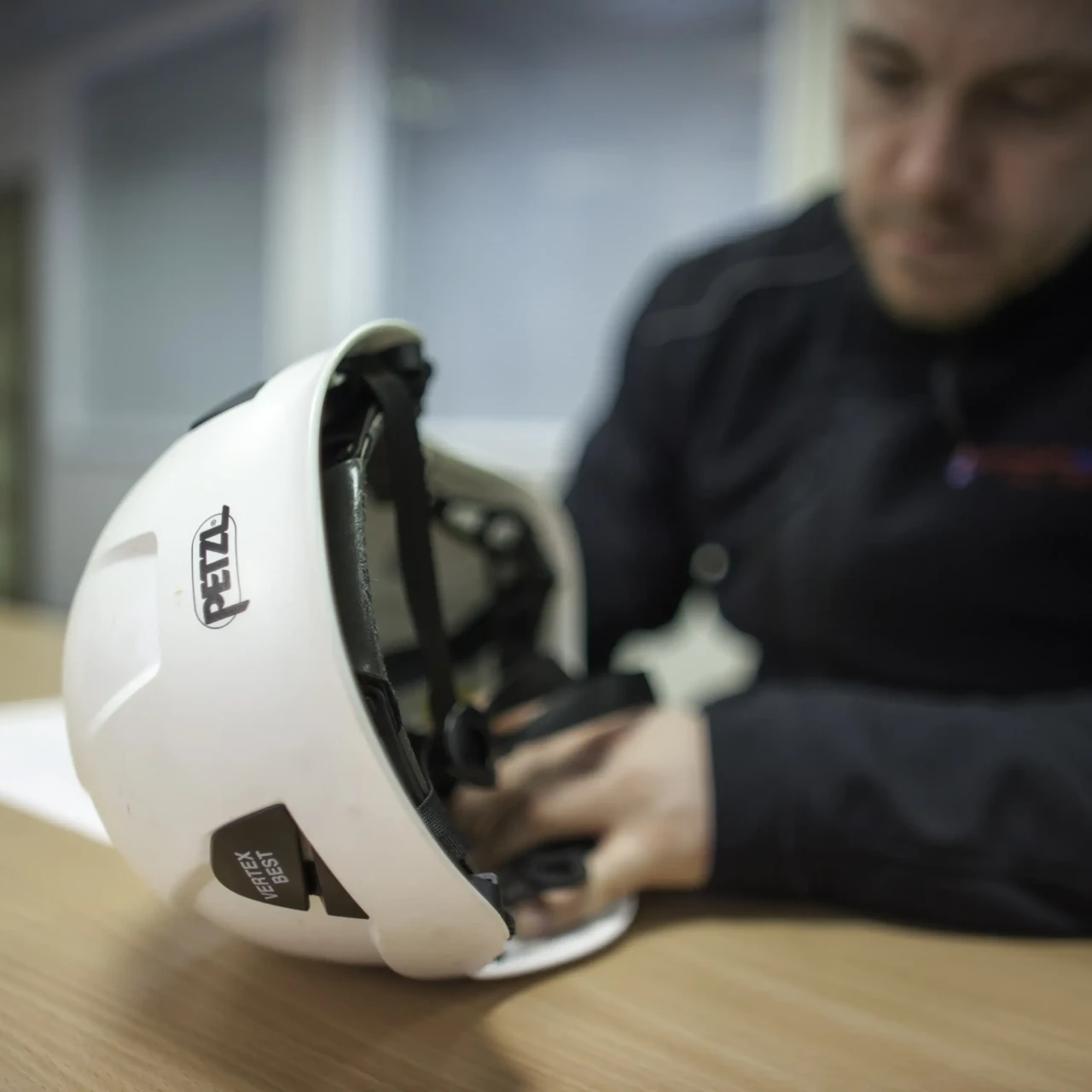
Type 2 helmets provide a significantly higher level of protection and are specifically designed for environments where impacts can occur from multiple directions.
Unlike Type 1 helmets, Type 2 helmets are tested for impacts to the:
Top
Front
Rear
Sides
This approach is similar to the performance requirements found in EN 12492 mountaineering helmets, which have long been used in climbing and rope access applications.
Enhanced On-Crown Impact Protection
Type 2 helmets undergo higher-energy impact testing than Type 1 helmets.
The same 5kg hemispherical striker impacts the crown at a velocity of 6.2 m/s, generating approximately 98 Joules of impact energy - double that of the Type 1 test.
To pass, the transmitted force must remain below 10kN.
Off-Crown Shock Absorption
One of the most significant additions is testing for off-crown impacts.
Using a 5kg flat striker travelling at 3.13 m/s, the helmet is tested on the sides, front, and rear with an impact energy of 24.5 Joules.
The transmitted force must remain below 10kN.
This testing reflects the real-world scenarios often encountered during:
Rope access operations
Scaffold work
MEWP operation
Industrial climbing
Maintenance activities in confined or complex structures
Optional Off-Crown Penetration Resistance (OCP)
EN 397:2025 also introduces an optional performance requirement known as Off-Crown Penetration Resistance (OCP).
Applicable to both Type 1 and Type 2 helmets, this test evaluates the helmet's ability to resist penetration from sharp objects impacting areas other than the crown.
A 3kg pointed striker impacts the helmet at a velocity of 2.71 m/s, generating approximately 11 Joules of energy.
As with crown penetration testing, the striker must not contact the headform.
Helmets that successfully meet this additional requirement are marked with: OCP
This marking provides users with clear evidence that the helmet offers enhanced protection beyond the standard requirements.
What About Chin Straps?
One of the practical differences users will notice is retention.
While traditional industrial helmets have often used optional or lightweight retention systems, Type 2 helmets are designed to remain securely in position during dynamic movements and incidents.
This is particularly important when working at height, where a helmet that becomes detached during a fall may provide little protection when it is needed most.
What Does This Mean for Employers?
The introduction of Type 1 and Type 2 helmets does not mean every worker requires a Type 2 helmet.
However, it does mean that organisations should revisit their head protection risk assessments.
Factors to consider include:
Potential for lateral impacts
Access methods used
Exposure to structures, steelwork, pipework, and equipment
Risk of slips, trips, and falls
Dynamic work environments where workers may swing, rotate, or collide with surrounding objects
For many work-at-height activities, Type 2 helmets may offer a more appropriate level of protection than traditional industrial hard hats.
Looking Ahead
EN 397:2025 reflects a growing understanding that head injuries are not limited to falling objects.
By introducing Type 1 and Type 2 classifications, the standard provides a clearer framework for selecting helmets based on actual workplace risks rather than historical practice.
As organisations review their PPE strategies, the focus should shift from simply complying with standards to ensuring workers have protection that matches the hazards they face.
Because when it comes to head protection, the question is no longer just what might hit the helmet - it's also how the wearer might hit something.
Learn more about...

For more information about Products and PPE please contact...
Louise Powell
Senior Sales Advisor, Training & PPE