
- Knowledge Base
- Blog
- Beware of fragile roofs
Beware of fragile roofs
4th December 2025
Falls from height remain one of the leading causes of death and injury in construction, with roof work accounting for around a quarter of fatalities. A common issue is that many people accessing roofs are not trained roofers—they may be there to maintain equipment, clean gutters or carry out inspections. This makes competence and training essential, as many accidents occur when workers are not properly trained.
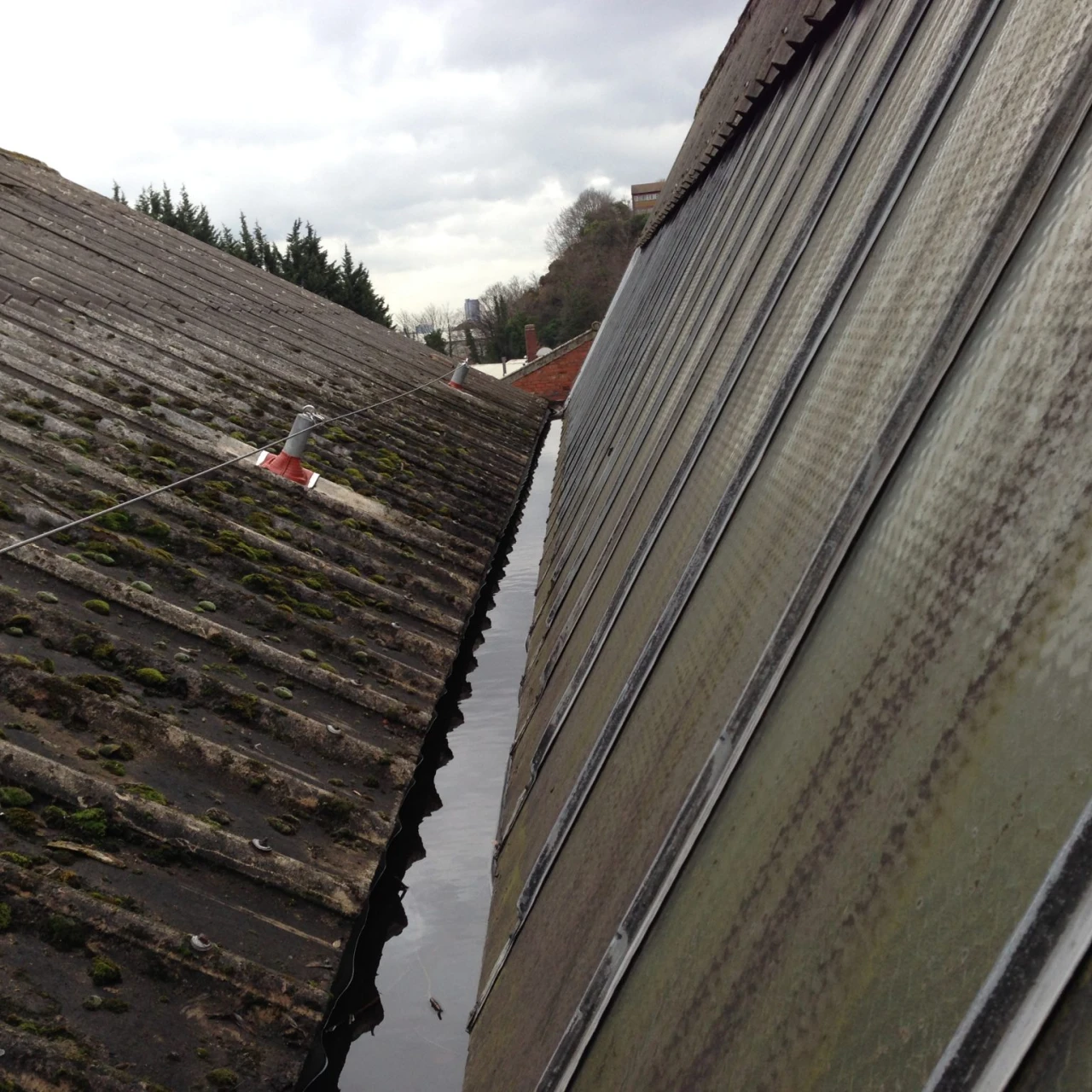
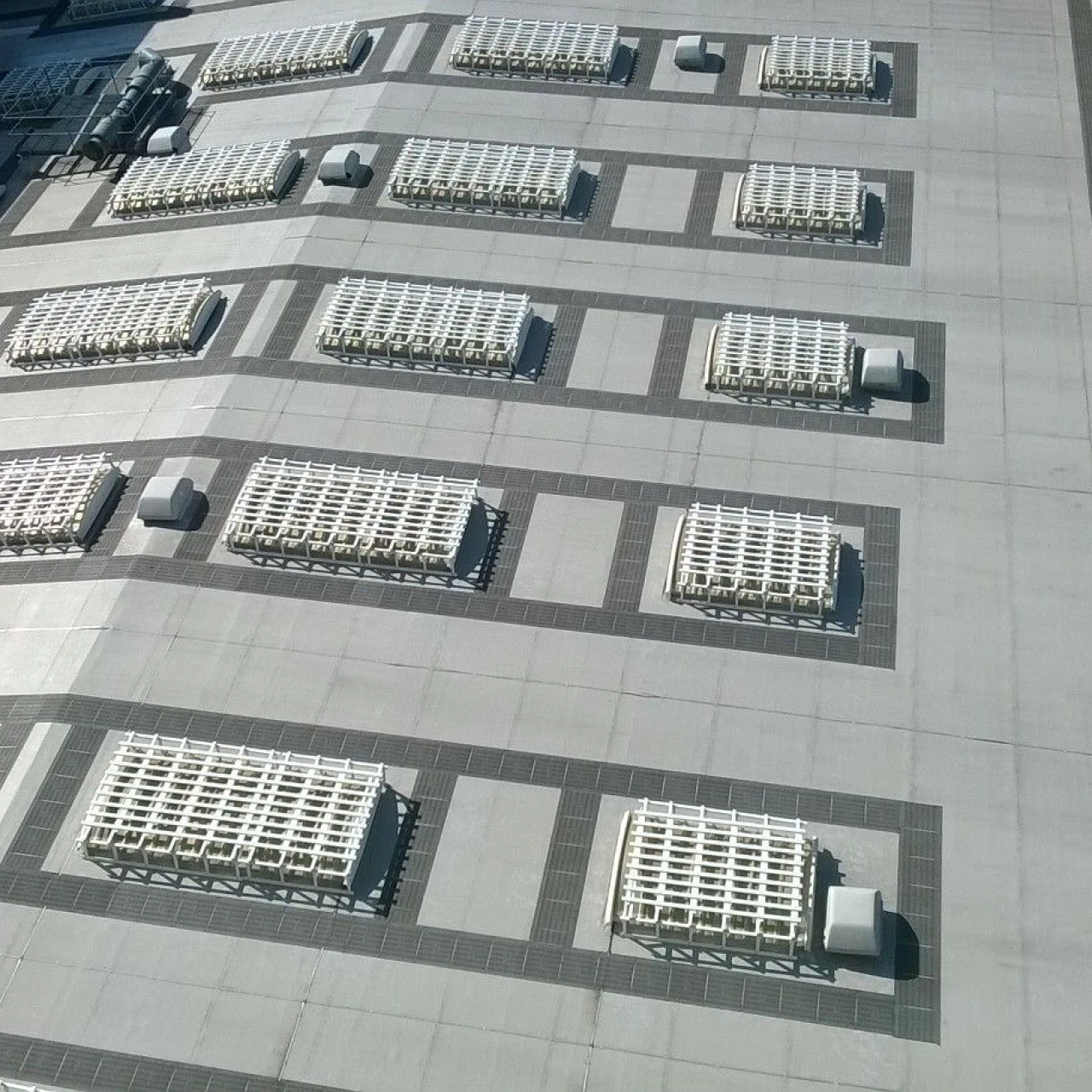
HSE guidance (HSG33) highlights the main causes of falls, particularly fragile roof surfaces and unprotected edges, and explains how these risks can be eliminated. Fragile surfaces—such as roof lights, fibre-cement sheets, corroded metal, glass, slates and tiles—are responsible for 22% of fatal fall-from-height accidents. The safest approach is to treat every roof as fragile unless confirmed otherwise by a competent person.
Where possible, work near fragile materials should be avoided. If unavoidable, the area must be clearly identified, and control measures put in place. Recommended solutions include:
Working from underneath the roof using a suitable platform.
Using a MEWP to avoid stepping onto the roof.
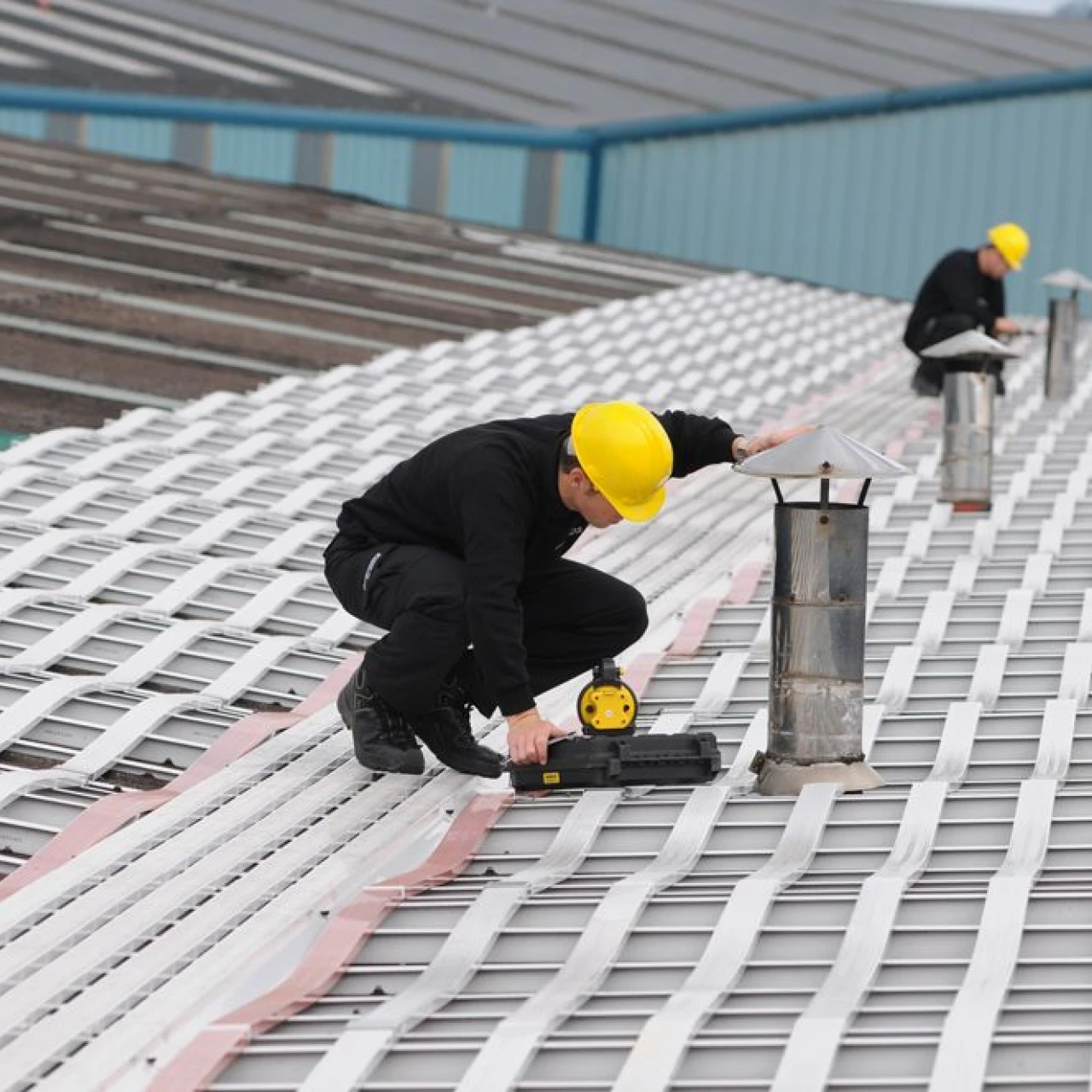
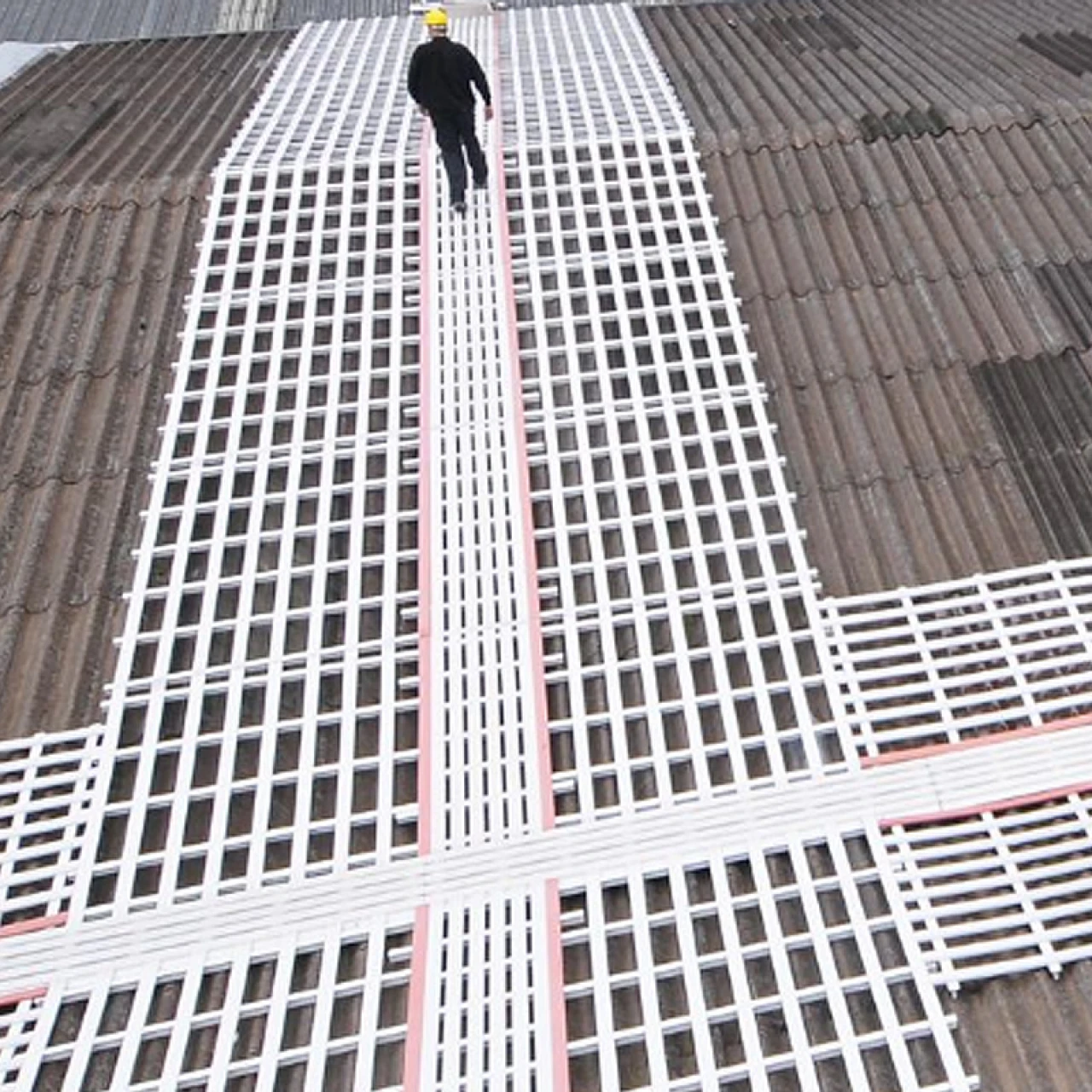
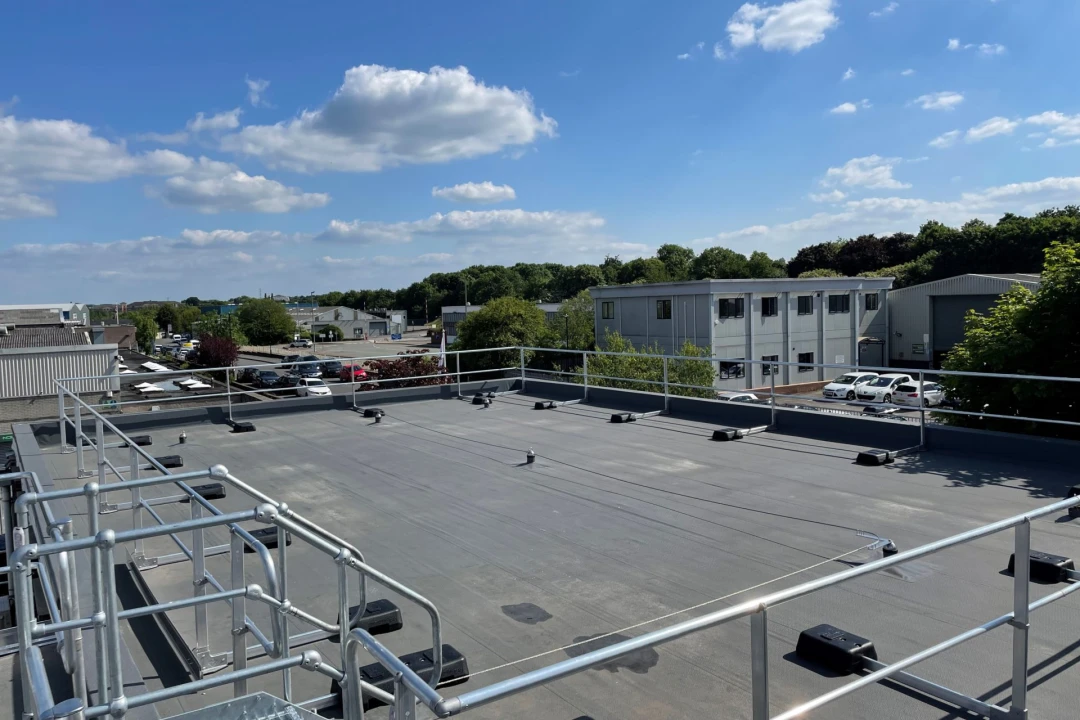
If access is required, installing roof walkways, rooflight covers, perimeter edge protection and staging to spread loads.
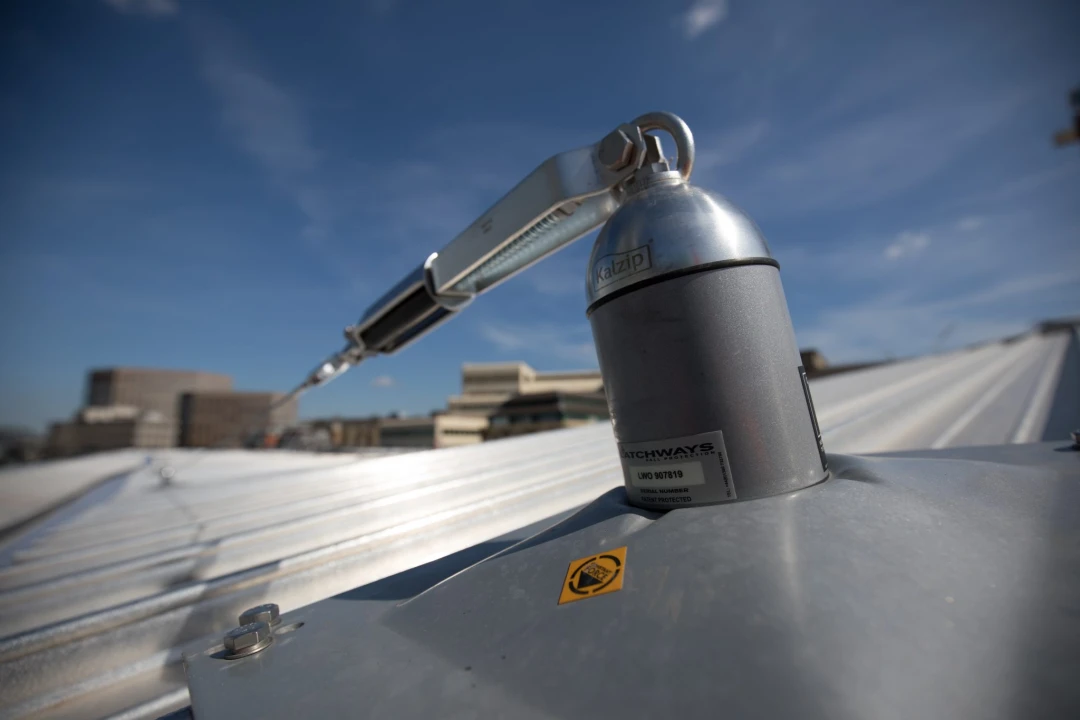
Using safety nets or a harness system where guardrails or roof protection are not in place.
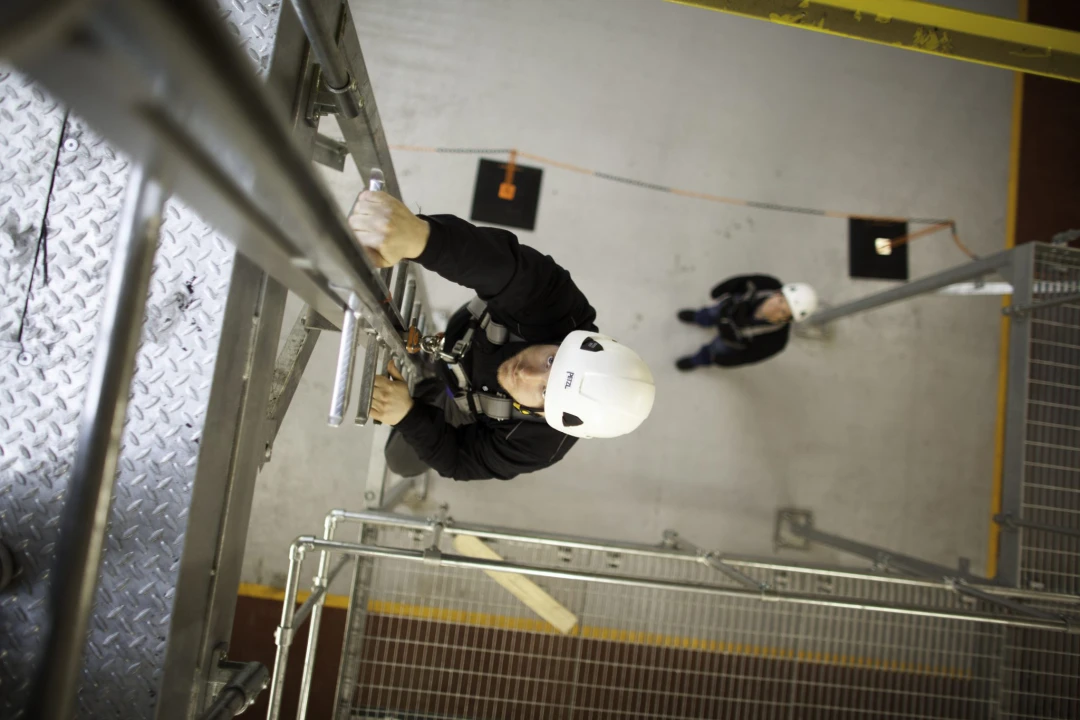
If harnesses are used, there must be proper training, supervision, suitable anchor points and enough clearance to prevent injury in a fall.
Safe access routes must also be provided, with clear demarcation at least 2m from fragile areas. As with all work at height, competence and training remain essential to keeping workers safe.
Training and competency
Anyone working on a roof must have the right knowledge, skills and experience to do so safely. Less experienced workers must be supervised by a competent person, and competence should be continually developed through practical experience and regular training. Roof workers must be trained in the specific risks they may encounter, including fragile surfaces and asbestos.
Training should cover essential health and safety disciplines such as Work at Height (including regulations, risk assessment, equipment selection and rescue training), PPE, ladders, MEWPs and PASMA. Additional specialist training—such as first aid, asbestos awareness, COSHH, risk assessment and fire safety—may also be required.
Rescue training is mandatory for anyone likely to take part in a rescue. It should be delivered initially by the rescue system supplier and include a simulated exercise to confirm competence. Refresher training must be completed every six months and include another assessed practical rescue.
We provide a full range of training courses including refresher training either at our Sheffield training centre or at customer premises. Our training ensures businesses comply with legislation and that workers understand the dangers of fragile roofs, helping them reduce risks to themselves and others.
Learn more about...


For more information on Fall Protection Solutions please contact...
Daniel Capper
Pre-Construction Director, Contracting