
- Knowledge Base
- Blog
- Working on fragile roofs: Key risks and control measures
Working on fragile roofs: Key risks and control measures
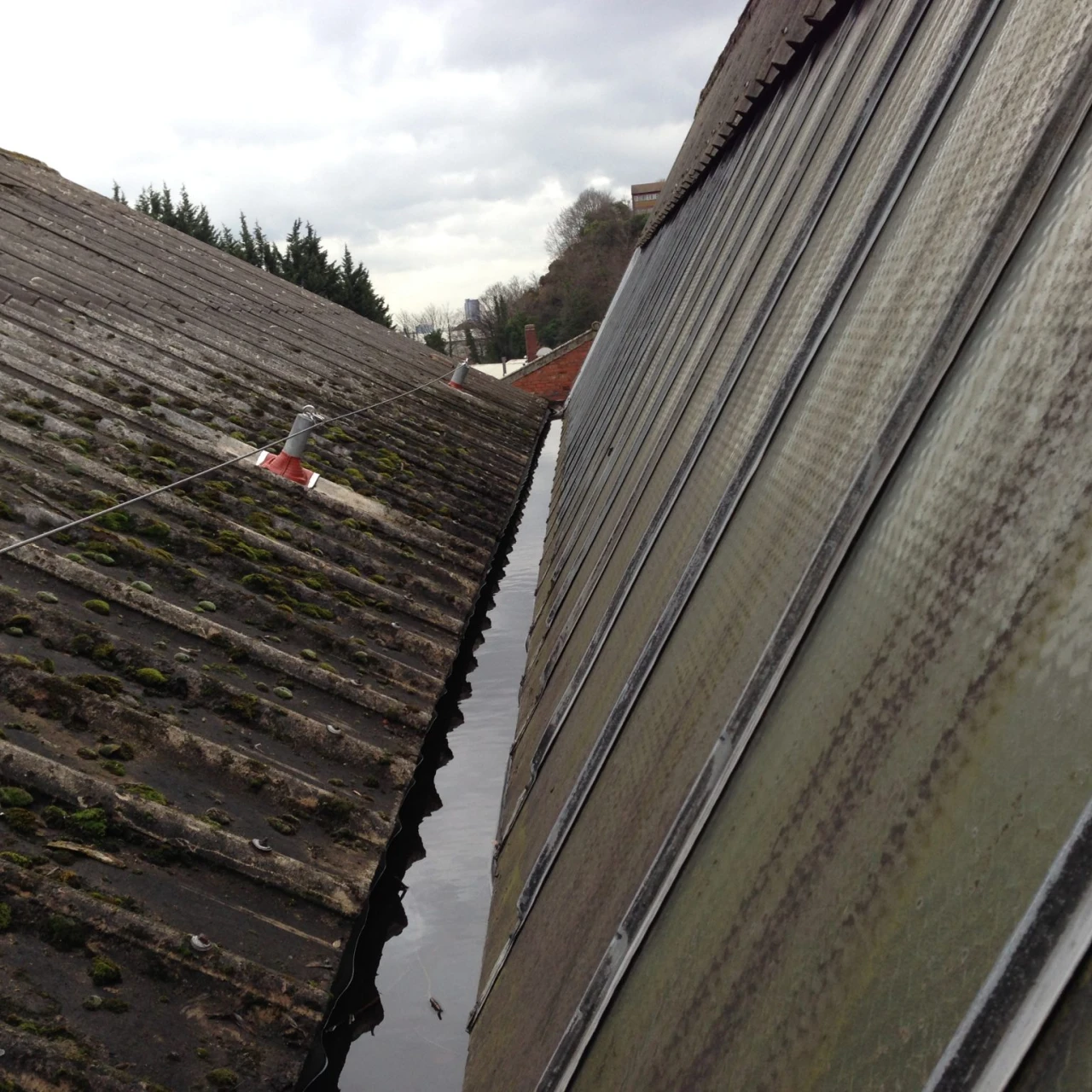
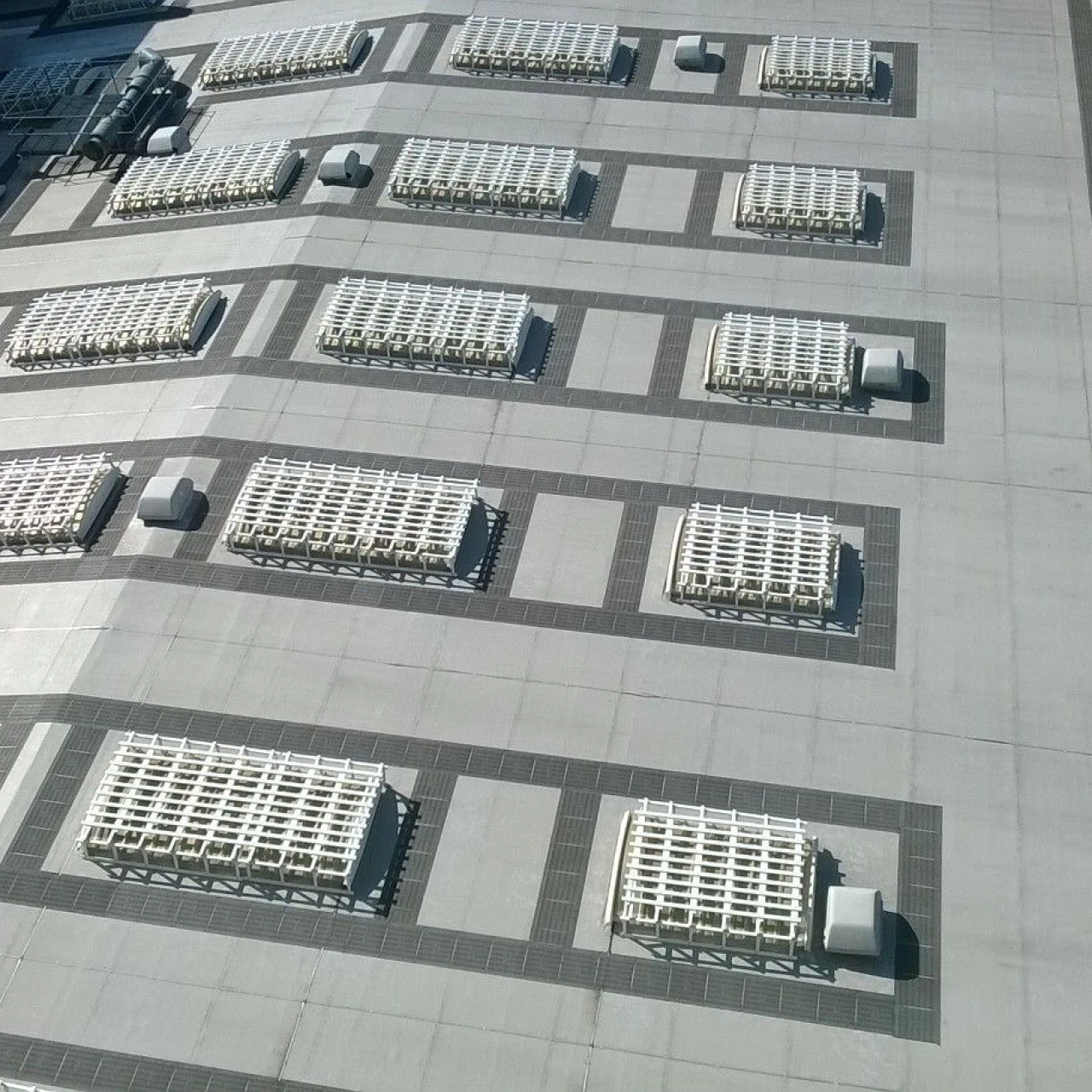
HSE guidance (HSG33) highlights that falls from height are commonly linked to fragile roof surfaces and unprotected edges—and that these risks must be controlled through proper planning and suitable protection. Fragile surfaces can include rooflights, fibre-cement sheets, corroded metal, glass, slates and tiles. The safest approach is to treat every roof as fragile unless a competent person confirms otherwise.
The best way to reduce risk is to avoid working near fragile materials altogether. If the task can be completed without accessing the roof surface - do that.
Practical control measures (from safest to higher risk)
If work near fragile areas can’t be avoided, choose controls that prevent anyone stepping onto or falling through a fragile surface:
Work from underneath the roof using a suitable platform where possible.
Use a MEWP to complete the work without stepping onto the roof.
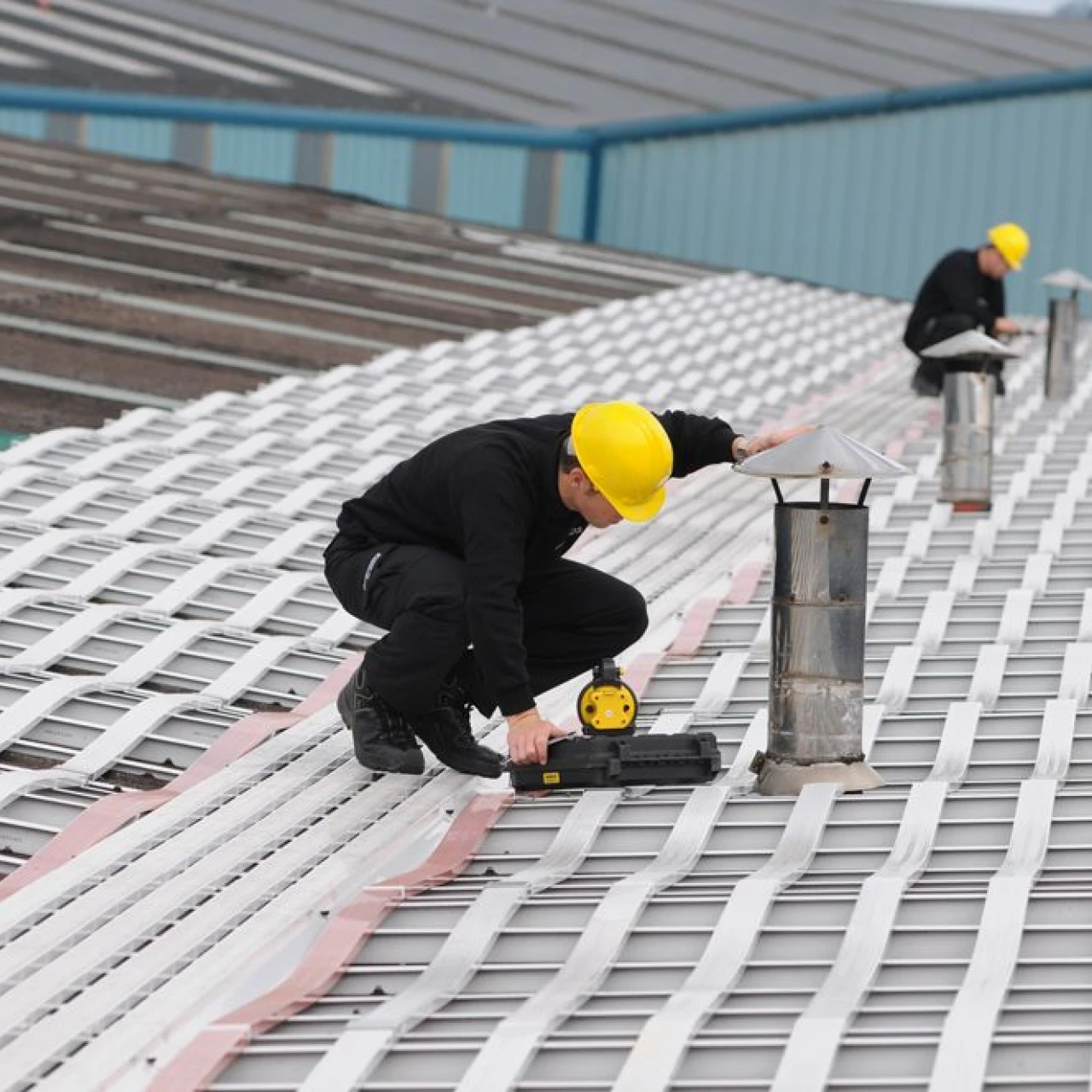
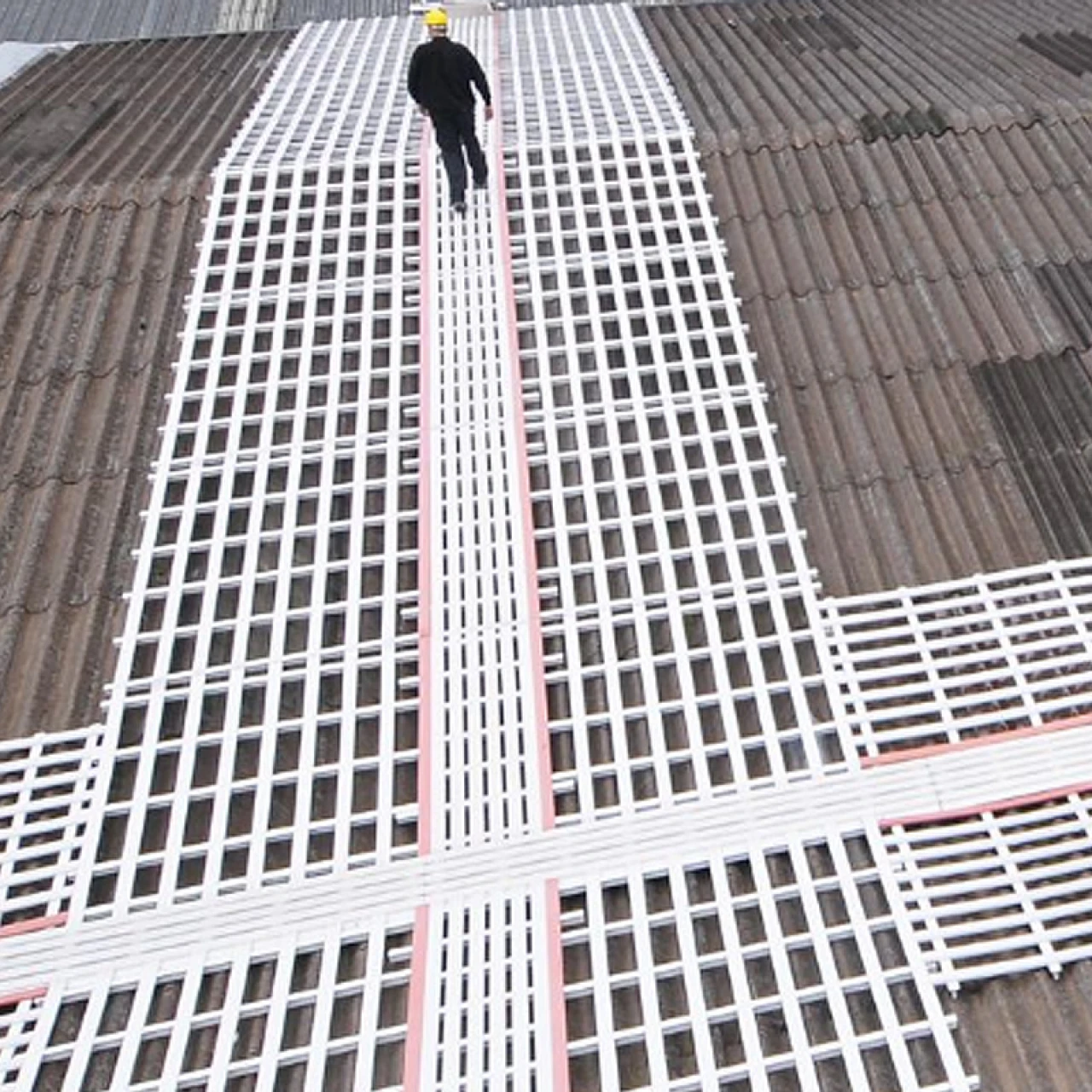
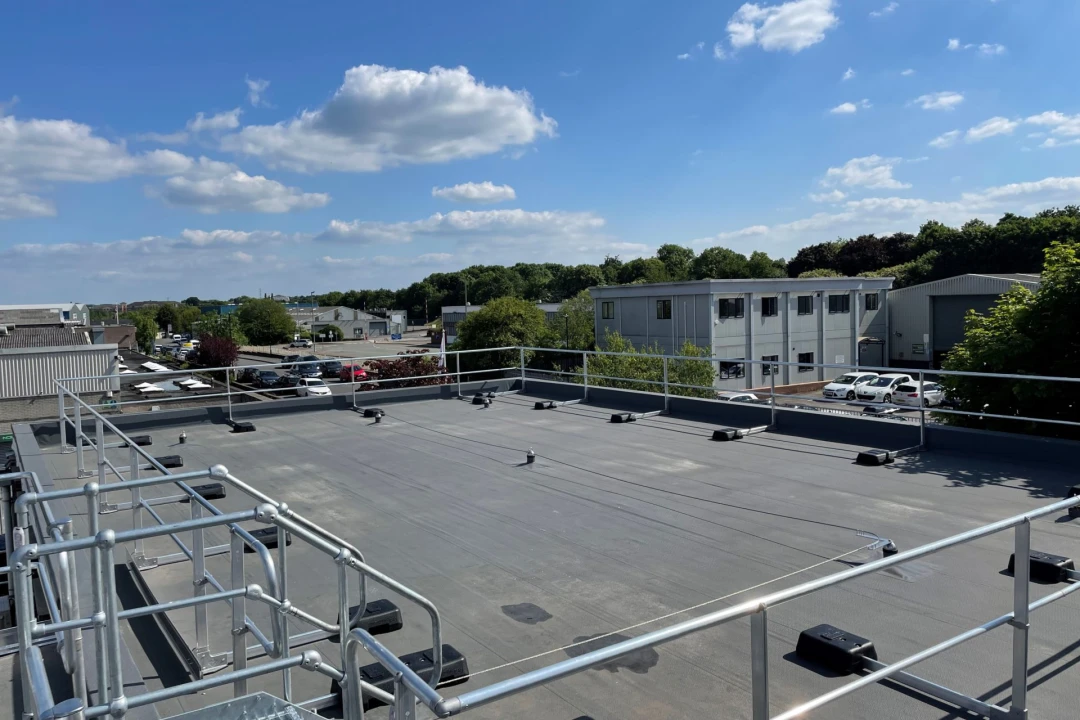
If roof access is required, install physical protection such as: roof walkways, rooflight covers, perimeter edge protection and staging to spread loads.
Use safety nets or harness system where guardrails or roof protection aren’t reasonably practicable.
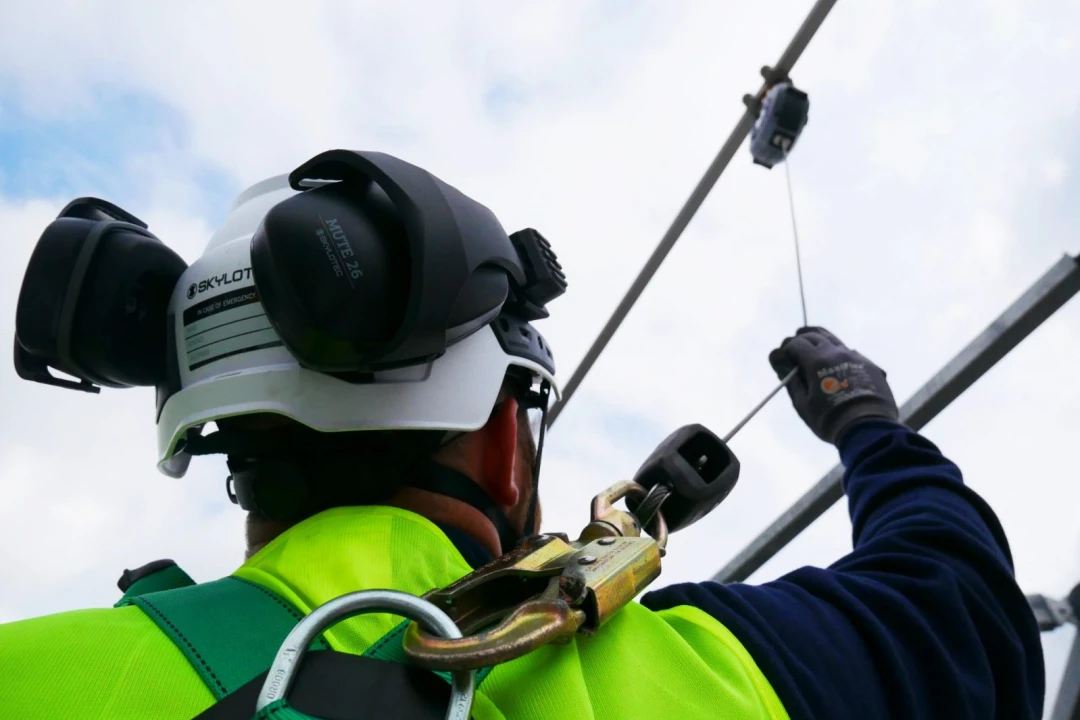
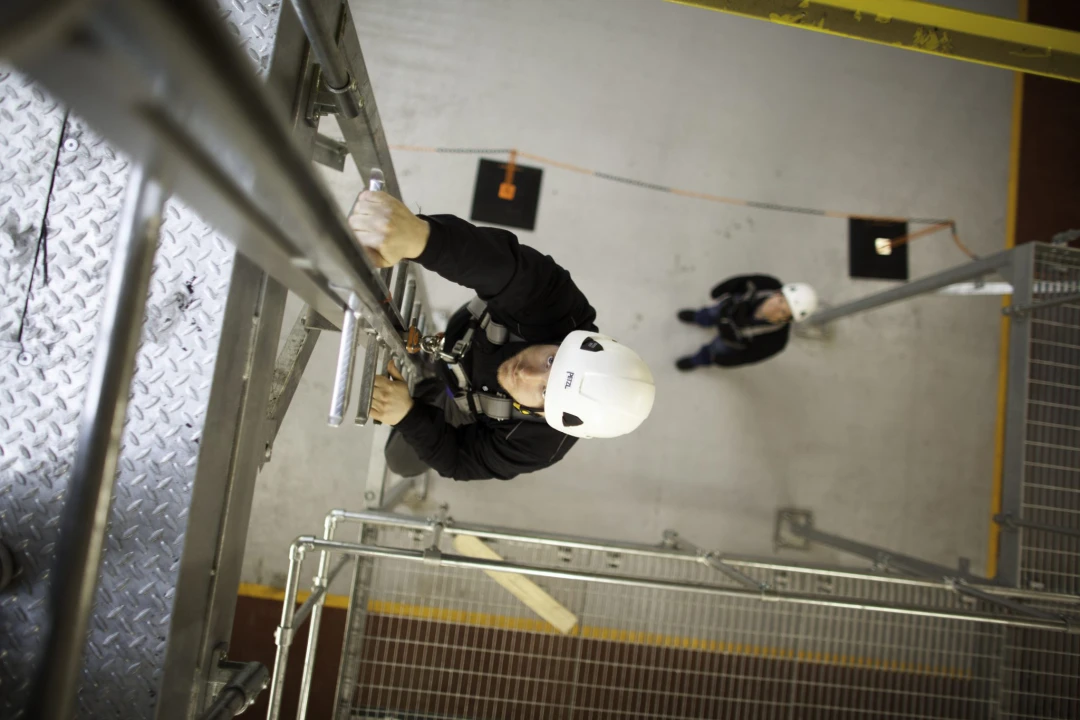
If harnesses (fall arrest) are used, they must be properly managed. This includes:
training and supervision,
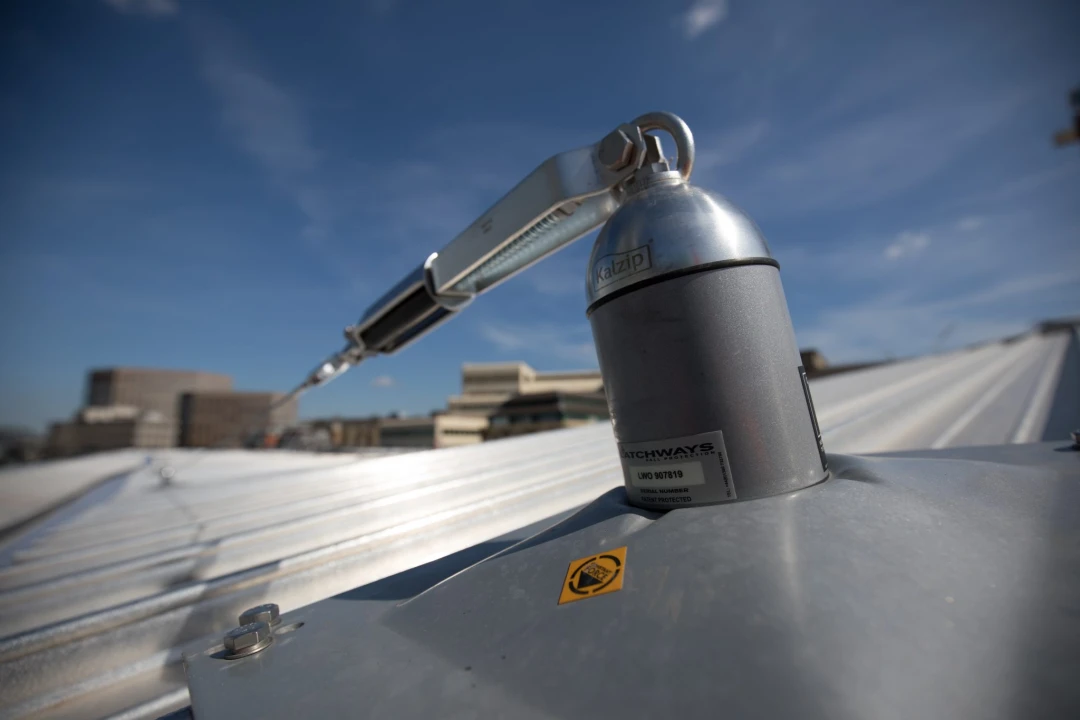
suitable anchor points,
sufficient clearance to prevent impact injury in a fall,
and a rescue plan that can be implemented quickly.
Safe access should be planned so people can get to the work area without crossing fragile zones. Routes and working areas should be clearly marked, with demarcation at least 2 metres from fragile areas wherever possible.
Training and competency
Anyone working on roofs must have the knowledge, skills and experience to do the job safely. Less experienced workers must be supervised by a competent person, and competence should be maintained through regular refresher training.
Training should reflect the actual risks and equipment used on site, commonly including:
Work at Height (risk assessment, equipment selection, emergency arrangements),
MEWPs, ladders, and PASMA (tower scaffolds) where relevant,
PPE and correct use of fall protection equipment.
Just as importantly, every job needs an appropriate plan for emergencies, including how anyone will be brought to safety if something goes wrong.
Need help making fragile roofs safer?
If you’re responsible for roof access or maintenance, don’t leave safety to chance. At Eurosafe, we can help you assess fragile roof risks and put the right controls in place - whether that’s safe access or rescue planning, rooflight protection, edge protection, or training for your team. Get in touch to discuss your site and the safest way to complete the work.


For more information on Fall Protection Solutions please contact...
Daniel Capper
Pre-Construction Director, Contracting