
- Knowledge Base
- Blog
- Why is a confined space entry rescue plan important?
Why is a confined space entry rescue plan important?
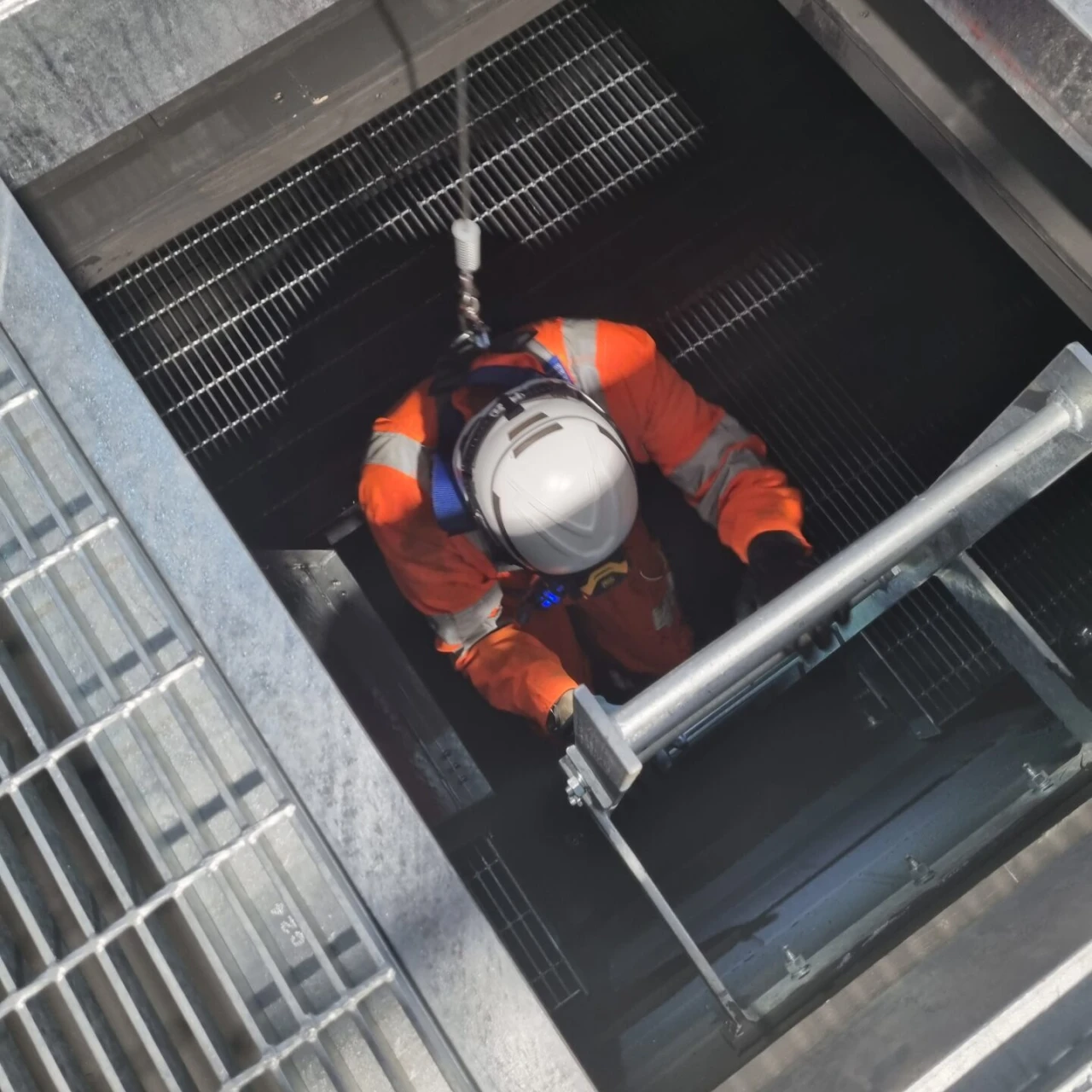
Working in confined spaces can present some of the most serious risks found in the workplace. Tanks, silos, chambers, vessels, pits, ducts, sewers, kilns, dryers, mixers and other enclosed or largely enclosed areas may contain hazards that are difficult to identify and escape from.
A successful confined space entry is not simply one where the planned work is completed. Everyone involved must leave the space safely and be fully accounted for. This is why suitable confined space entry rescue arrangements must be in place before entry begins and remain available throughout the operation.
Risks of Entering Confined Spaces
The act of entering a confined space can introduce additional risks, even when the space has been assessed as safe for entry. Workers may be exposed to changing conditions as they pass through the entrance, move further into the space or begin their work.
Key risks of entering confined spaces include:
Difficulty entering and exiting – restricted or awkward access can make escape difficult in an emergency.
Becoming trapped – the shape, size or internal layout of the space may restrict movement.
Loss of communication – workers may become difficult to communicate with once inside.
Changes in conditions – the atmosphere or other conditions can deteriorate after entry.
Difficulty rescuing a casualty – restricted access can make it difficult to reach and recover an injured or unconscious worker.
Rescuer exposure – attempting an unplanned rescue can place additional workers at risk.
This is why confined space entry requires careful planning, suitable entry procedures and effective rescue arrangements before anyone enters.
Why Rescue Arrangements Are Essential for Confined Space Entry?
The risk assessment completed before carrying out work in the confined space will have identified the precautions required to reduce the risk of injury. These precautions will vary depending on the nature of the confined space, the associated risk, and the work involved.
Suitable rescue arrangements for confined space entry must be prepared before anyone enters the space.
The arrangements should be based on the specific hazards, the type of entry, the work being carried out and the access and recovery options available.
Rescue provision should remain ready throughout the entry rather than being removed or reduced once workers are inside.
How to Test and Review Confined Space Entry Rescue Arrangements
A written rescue plan is only effective if it works in practice.
Realistic confined space entry rescue exercises can highlight problems with communication, equipment, access, casualty recovery and individual responsibilities.
After an entry, the team should review the arrangements and identify any improvements needed before the next confined space entry.
Any equipment used during a rescue should also be inspected, cleaned and maintained before being returned to service.
What Should a Confined Space Entry Rescue Plan Include?
A confined space entry rescue plan should clearly establish how an emergency will be managed and how an affected worker can be recovered safely.
It should consider:
How the alarm will be raised
How entrants will be monitored and communicated with
Who will carry out the rescue
What confined space entry rescue equipment is required
How the casualty will be reached and recovered
Whether breathing apparatus is required
How first aid and resuscitation will be provided
How emergency services will access the site
Under Regulation 5 of the Confined Spaces Regulations 1997, suitable and sufficient arrangements for the rescue of people must be prepared before work in a confined space begins.
Why Confined Space Entry Rescue Cannot Be Improvised
If a worker becomes unconscious, injured or trapped during confined space entry, there may be very little time to decide how they will be recovered.
Restricted access, poor visibility, hazardous atmospheres and difficult working positions can make even a straightforward casualty recovery extremely challenging.
A rescue plan should therefore be practical and understood by everyone involved. Rescue procedures should be established before entry, rather than worked out during an emergency.
Emergency Services Alone Are Not Enough for Confined Space Entry Rescue
Emergency services may form part of the wider emergency response, but they should not be treated as the only confined space entry rescue provision.
They may need time to reach the site, understand the specific hazards, establish safe access and prepare specialist equipment.
A competent on-site rescue team can raise the alarm immediately, begin the planned recovery procedure and provide emergency services with accurate information about the confined space, the casualty and the hazards present.
How Unplanned Rescue Can Create More Risks When Entering Confined Spaces
One of the greatest dangers following a confined space incident is for a colleague to enter the space instinctively to help without suitable protection or equipment.
A hazardous atmosphere or other condition that has overcome one worker can also affect the person attempting the rescue.
This is why working in confined spaces requires clear emergency procedures and competent, properly trained personnel.
Where possible, the planned rescue system should allow a casualty to be recovered without another person entering the space. Where rescue entry is unavoidable, rescuers must be protected against the hazards that affected the original entrant.
The Importance of Confined Space Entry Rescue Training
Effective confined space entry rescue depends on competent people who understand the hazards, procedures and equipment involved.
Training and realistic rescue exercises help ensure that everyone understands their responsibilities and that rescue personnel can respond quickly and safely in an emergency.
Regular practice can also identify weaknesses in the rescue arrangements before a real emergency occurs.
Why Effective Rescue Planning Is Essential When Working in Confined Spaces
When working in confined spaces, prevention and risk control should always come first. Confined space entry should be avoided wherever reasonably practicable.
Where entry is necessary, suitable confined space entry rescue arrangements must be prepared before work begins and maintained throughout the operation.
A rescue plan should not simply be a document created to satisfy a legal or permit requirement. It should be a practical system that people understand, equipment that is ready to use and procedures that have been tested.
The key question is not simply:
“Who will we call if something goes wrong?”
It is:
“Are we prepared and equipped to recover a worker safely if something goes wrong during this confined space entry?”
Confined Space Entry Training Courses
The level of training required depends on the risks associated with the confined space and the work being carried out. We provide confined space entry training for different levels of risk, including:
Low Risk Confined Space Entry – for workers entering spaces where the hazards and entry conditions present a lower level of risk.
Medium Risk Confined Space Entry – for workers who may be exposed to greater hazards and require additional control measures, procedures and rescue arrangements.
High Risk Confined Space Entry – for workers entering spaces where serious hazards may be present and more advanced entry, safety and rescue procedures are required.
Choosing the correct level of confined space entry training is essential to ensure workers are properly prepared for the conditions and risks they may encounter when working in confined spaces.